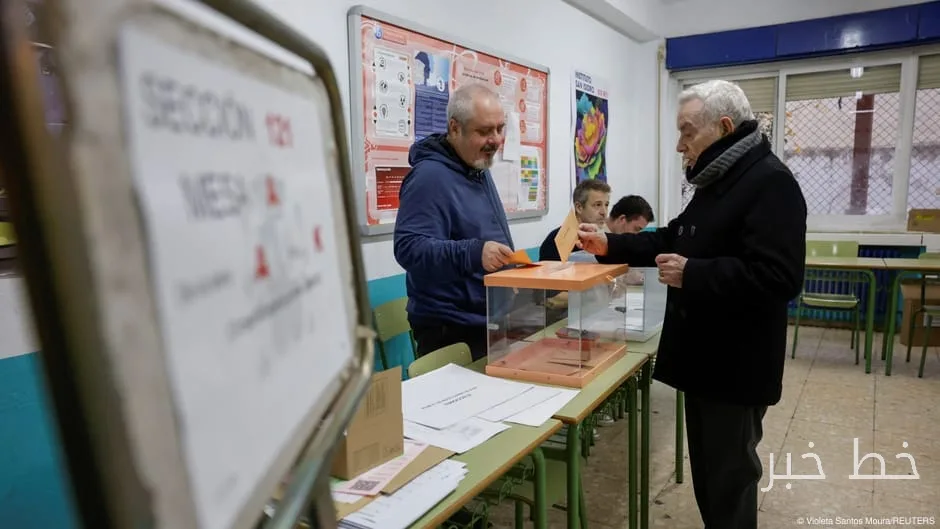
The Spanish elections in the coming days could have profound implications for European policies. Pedro Sánchez, the Prime Minister of Spain and one of the last social democratic leaders in the European Union, is seeking to hold early elections.
Challenges and Discontent
Sánchez announced early elections in early October after more than eight years in office. This decision came after two emergency decrees to address the housing crisis in Spain were rejected. Discontent over rising housing costs has led to widespread protests across the country.
Sánchez's minority government is under pressure, especially following criticisms related to the management of the migration crisis in Ceuta and corruption allegations against his party and his wife. Both have denied these allegations.
Poll Results and Political Future
Recent polls indicate a close race between the People's Party (PP) and the Socialists, with projections of about 32 percent for the PP and 31 percent for the Socialists. Additionally, the far-right Vox party is in third place with about 17 percent, which could provide an absolute majority for the PP and Vox.
A change of government in Madrid could weaken the center-left voice that has been led by Sánchez. Javier Carbonell, a political analyst at the European Policy Center, says, "This voice may now go silent." Sánchez is known for his positions against Donald Trump, support for Palestinian rights, and defense of immigration to Europe.
The Sánchez government launched a program to grant legal status to eligible migrants, receiving over a million applications. Meanwhile, the People's Party and Vox are seeking stricter controls on immigration in their election platforms.
The Spanish elections could also impact the country's defense policies. Spain has increased defense spending from 1.24 percent of GDP in 2024 to 2 percent in 2025. However, Sánchez has opposed NATO's new goal of raising spending to 5 percent by 2035.
If Sánchez fails in this election, the Socialists will lose one of their strongest bases in the largest countries of the European Union. This situation could spark new discussions among European center-left parties about how to regain power and attract voters again.
Read more: Spain approaches early elections with hope and concern