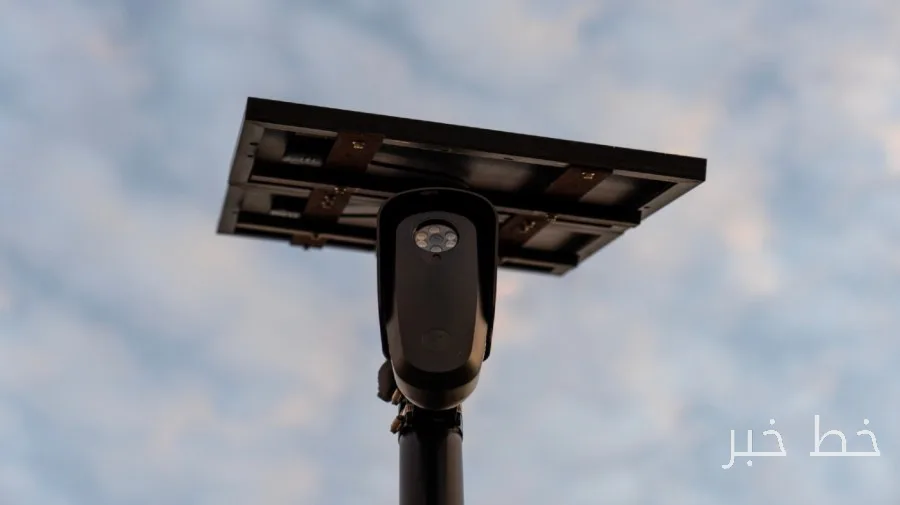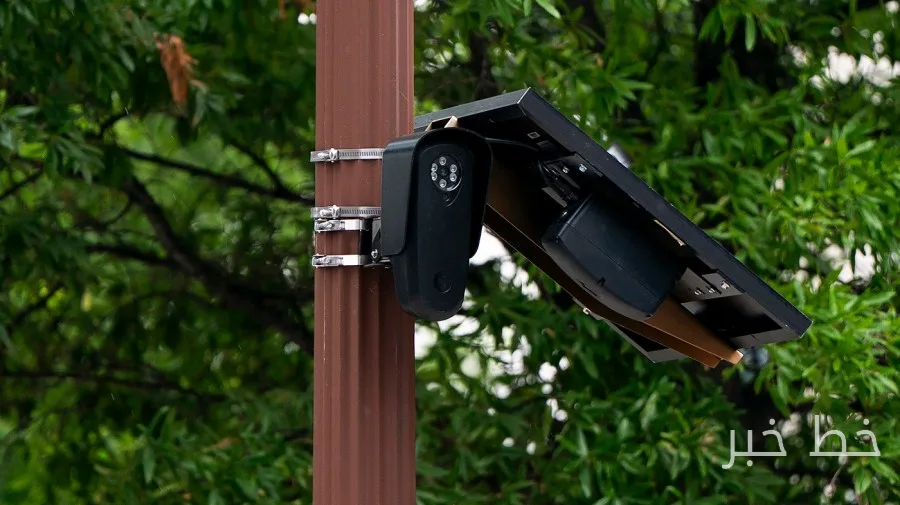
A federal judge in Oklahoma recently issued a ruling that considers the use of data from AI-based surveillance cameras, such as the well-known Flock Safety technology, illegal without a judicial warrant. This ruling is based on the principles of the Fourth Amendment of the United States Constitution, which protects citizens against unreasonable and unfounded searches.
Details of the Ruling
The judge specified in the ruling that "freedom from constant and pervasive surveillance in public places is not an alien concept in our society" and has a reasonable expectation that citizens have a right to privacy in public spaces. This ruling poses challenges for the use of surveillance technologies that are more widely employed in urban communities.
Read more: Federal Trade Commission Investigates OpenAI and Anthropic
Impacts on Society and Technology
As the use of surveillance cameras and AI tools for identifying and tracking individuals expands, this ruling could have profound effects on how public safety and privacy are managed. For example, the use of technologies that have data collection capabilities may face legal challenges, especially if they cannot provide sufficient justification for searching individuals.
This decision may also lead to the establishment of new trends in privacy and surveillance laws. With increasing public concerns about privacy and security, such a ruling could help strengthen laws and regulations regarding the use of surveillance technologies in the future.
Ultimately, this ruling could serve as a model for other states and even countries seeking to balance public safety and individual rights. While new technologies can enhance security, they must be accompanied by respect for civil rights and freedoms.
Read more: SpaceX Ready to Launch NASA's Crew-13 to the International Space Station · Senators Introduce Bill to Ban Use of License Plate Reader Cameras