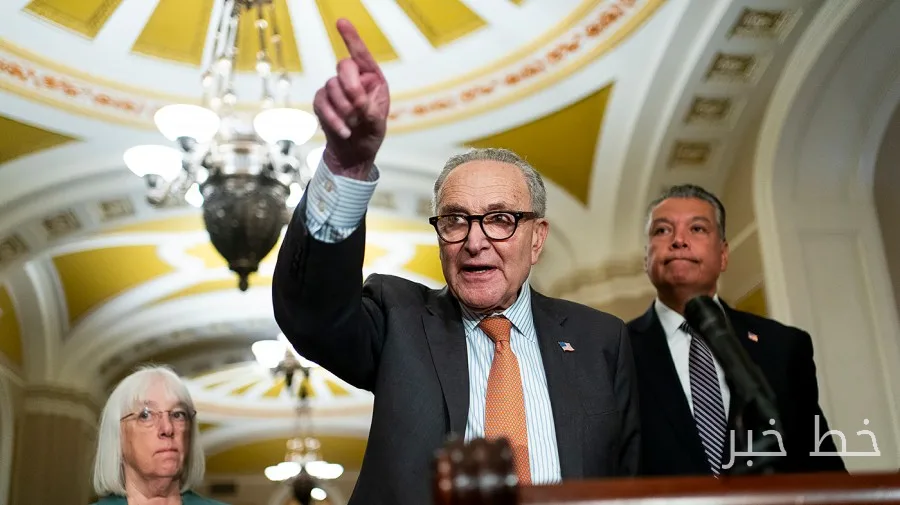
Federal Reserve Chair, Kevin Warsh, recently emphasized the importance of bringing inflation back to the 2% target. These remarks come as consumers and businesses in the U.S. face a future of higher borrowing costs. These economic changes could have profound impacts on markets and people's daily lives.
Current Inflation Situation in the United States
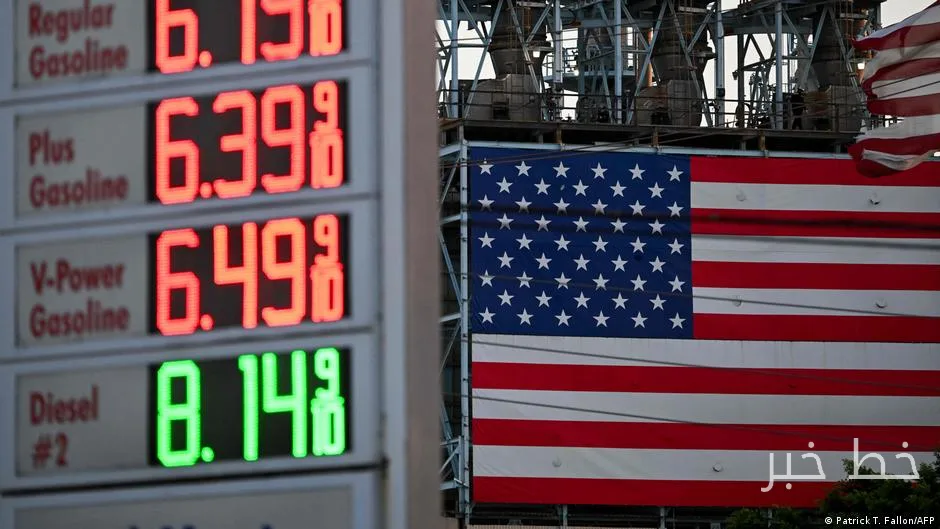
Inflation in the United States has reached unprecedented levels in recent years, raising significant concerns for economic policymakers. Rising prices in various sectors, including housing, food, and energy, have put considerable pressure on household budgets. In this context, the Federal Reserve, as the country's main monetary authority, is working to implement appropriate policies to bring inflation back to a desirable level.
Read more: Amazon has raised its starting wage and offered a new discount for employees
Consequences of Increased Borrowing Costs
Increased borrowing costs mean greater difficulties for businesses and households in financing projects and making large purchases. This situation could lead to reduced demand in the market and consequently slow down economic growth. Many analysts believe that if the Federal Reserve cannot effectively control inflation, an economic recession may occur in the near future.
In this regard, Kevin Warsh, the Federal Reserve Chair, has announced that more serious measures will be considered to address these challenges. He emphasized the need for cooperation with other institutions and economic sectors to manage this crisis.
Ultimately, the economic future of the United States depends on the Federal Reserve's ability to control inflation and its impact on borrowing conditions. Given the current situation, people and businesses must prepare for potential changes and challenges.
Read more: Greg Stanton is trying to solve the crisis with economic promises · The Federal Reserve raised interest rates for the first time in recent years