The Federal Reserve plans to review interest rates soon to combat rising inflation. This action comes as increasing signs of price pressures are observed in the U.S. economy. This issue has led many analysts and investors to look for signs of potential changes in the Federal Reserve's monetary policies.
Current Inflation Status
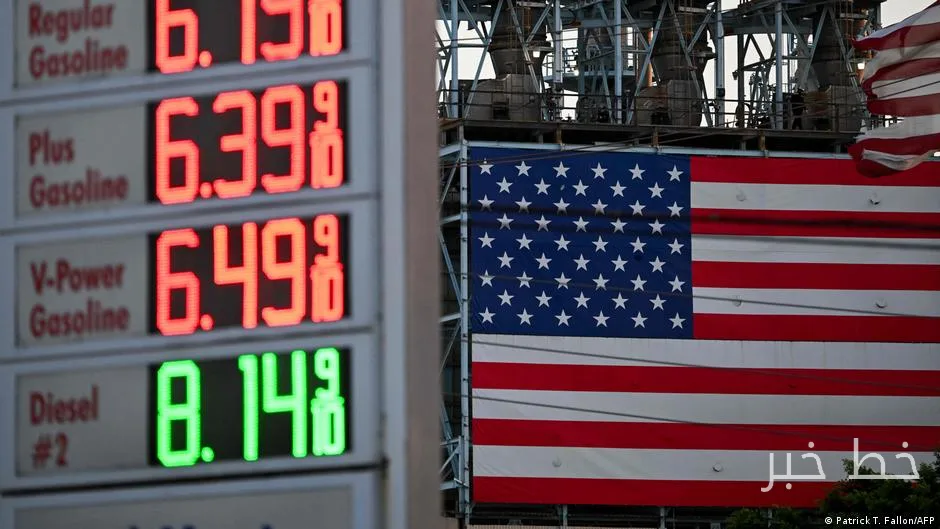
Inflation in the United States has reached its highest level in several decades. Rising prices in various sectors, including food, energy, and housing, have caused widespread concerns. These price increases have not only impacted household livelihoods but have also put additional pressure on the Federal Reserve's economic decision-making.
Impacts on Monetary Policies
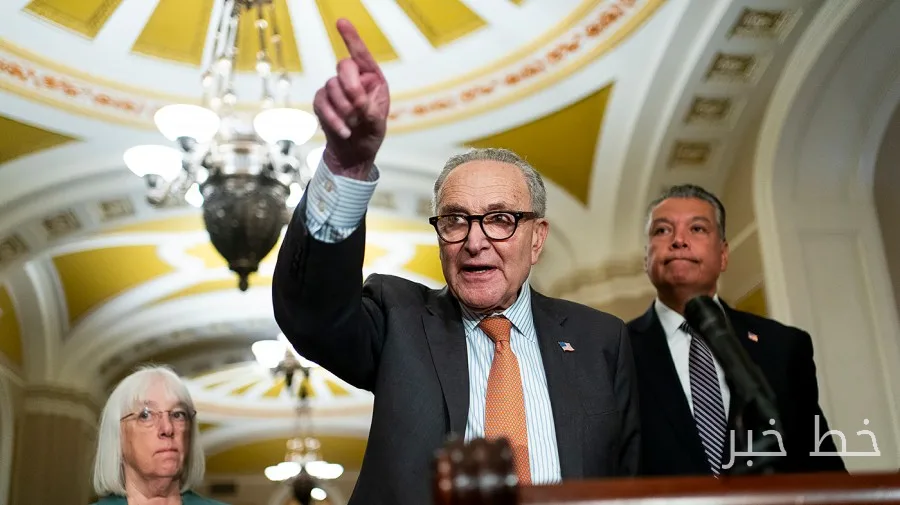
Analysts predict that the Federal Reserve may decide to raise interest rates in its next meeting. This increase could help reduce inflationary pressures, but it may also have a negative impact on economic growth and the labor market. Many experts believe that the Federal Reserve should act cautiously to avoid triggering an economic crisis.
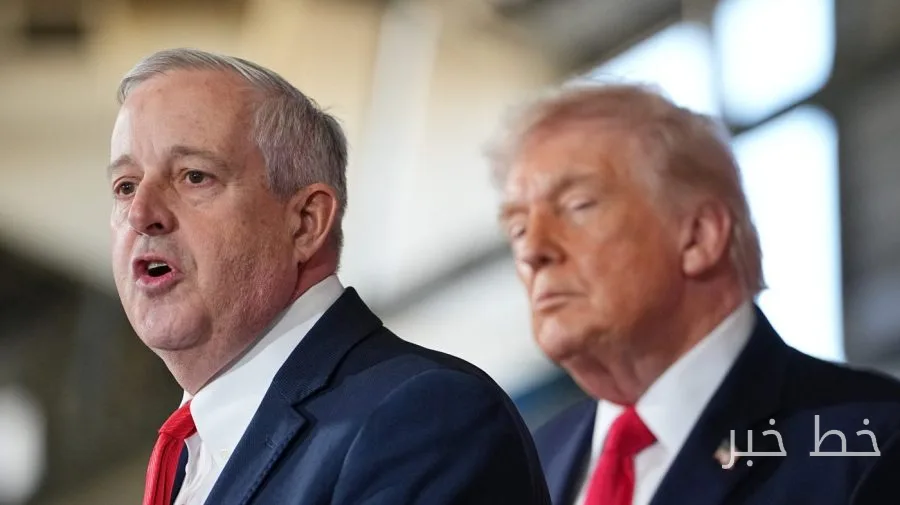
Meanwhile, Donald Trump, the former President of the United States, is holding a campaign rally in North Carolina. He is gathering voter support and criticizing current economic policies. Trump hopes that by garnering more support, he can strengthen his influence within the Republican Party.
Examining Political Consequences
Trump's campaign rallies indicate his efforts to return to the political scene. He has heavily criticized the Biden administration's economic policies and emphasized the need for changes in economic approaches. These issues could influence the upcoming election process and prompt analysts to take a closer look at the political and economic situation in the United States.
Overall, the current state of interest rates and inflation in the United States could have profound impacts on future economic and political policies. The Federal Reserve faces serious challenges, while political rivalries are also intensifying.