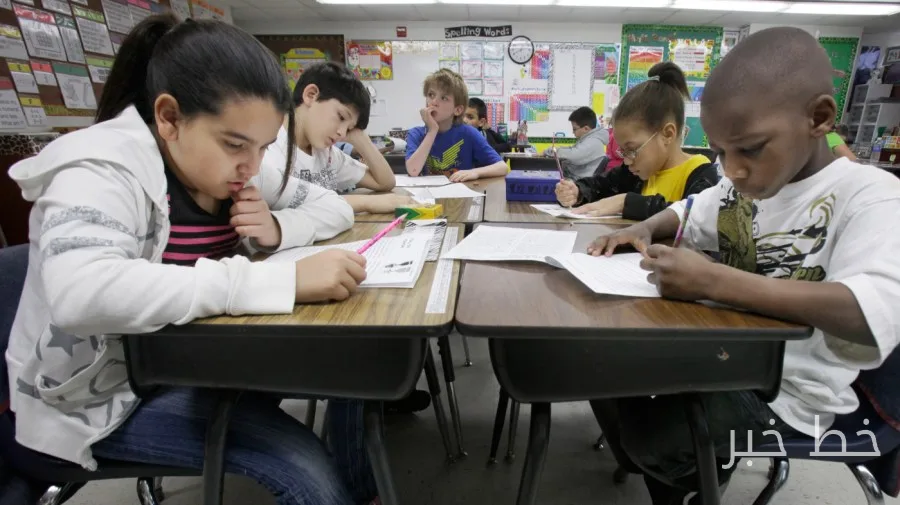
France, as the second largest economy in the European Union, is facing deeper financial and social crises on the eve of the presidential elections. Over the past two weekends, hundreds of thousands have taken to the streets to protest, demanding the government increase teachers' salaries, repair dilapidated schools, and assist with rising living costs. This situation has led the country into a vicious cycle of financial and social crises, each exacerbating the other.
Financial Crisis in France
It could be inferred from the statements of Michel Barnier, the former Prime Minister, that "France is on the brink of a financial crisis" and there is a need to send a signal to the markets. While officials have managed to prevent riots and looting over the past weekend, financial markets have been affected. Even before the protests began, investors were selling French debt or demanding historically high yields due to the government's failure to reduce the high budget deficit and the €3.5 trillion debt.
Social and Political Consequences
The upcoming presidential election, with the possibility of a second round between Marine Le Pen, the far-right candidate, and Jean-Luc Mélenchon, the far-left rival, has created more fear for investors. Both candidates are seeking to spend billions of euros to lower the retirement age. Recent riots, which are estimated to have cost tens of millions of euros, have exacerbated an already critical situation. The Yellow Vest protests from 2018 to 2020 cost 0.1% of France's GDP, and stores reported damages of €2 billion.
Éric Lombard, former Minister of Economy and Finance, emphasized that "it is clear that protests affect the markets." Given that the proposed budget by the current Prime Minister, Sébastien Lecornu, for 2027 includes €43 billion in savings, the government faces tough choices: either borrow more and burden future generations with billions in interest payments, or hope that the protests will subside on their own.
Mario Monti, former Prime Minister of Italy, who faced a similar financial crisis in 2011, noted that "the situation can change rapidly." At that time, the difference between 10-year Italian and German bonds increased from about 150 basis points to over 500 basis points. Currently, the difference between French and German debt is 169 basis points, and the yield on 10-year French bonds has reached 5.14%, the highest level since 2002.
France has long been known as the "spoiled child" of the European Union, leveraging its political and economic weight to break the bloc's fiscal rules. However, now the country finds itself at the forefront of a European debt crisis. Monti emphasized that French voters must accept the reality that the government debt crisis is no longer transparent.
This situation is not only economic but also reflects a lack of public trust in the future. According to a recent survey, 9 out of 10 French people are pessimistic about the future and believe their children will be worse off. This pessimism has led voters to lean towards more extreme candidates like Le Pen and Mélenchon. Currently, Le Pen is supported by 34% and Mélenchon by 15% in the polls, meaning nearly 50% of voters are inclined to vote for anti-establishment figures.
Although officials and diplomats believe that France is not facing a scenario similar to Greece, financial crises like the one in Italy in 2011 may occur. One experienced lawmaker and budget expert, Charles de Courson, emphasized that "we are not yet a banana republic on the verge of bankruptcy."
Read more: Consumer confidence in the U.S. remained unchanged in October · Trump sent a warning message about Democratic control