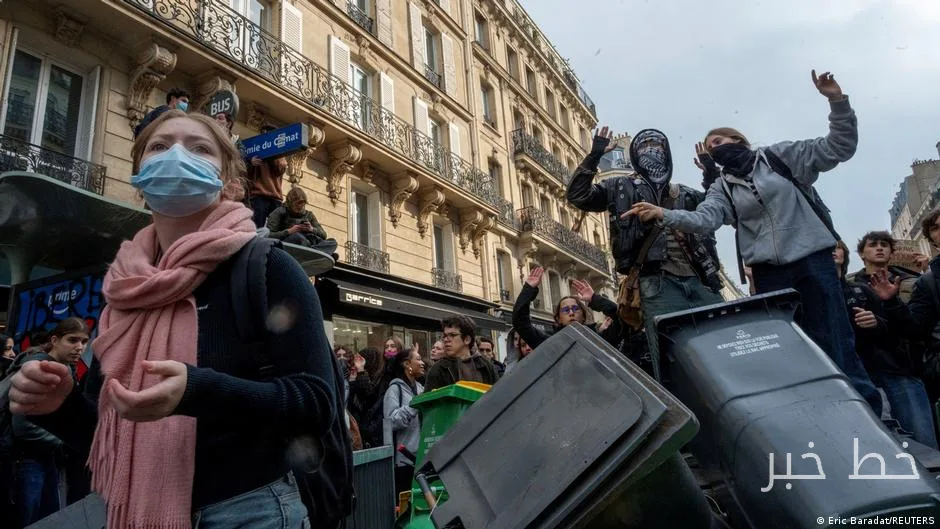
France is preparing for widespread protests for the fourth consecutive weekend. Student protests over the cost of living and the state of schools continue. On Saturday, officials announced that students and labor unions will participate in a permitted march in central Paris to protest against the high cost of living and in favor of youth.
Yellow Vest Protests
On the other hand, the Yellow Vests (Gilets Jaunes) are calling for "civil disobedience" at a banned event in Place de la Concorde in Paris, near the parliament and the Élysée Palace. France's Interior Minister, Laurent Nunez, announced that 70,000 police and security forces will be deployed across the country over the weekend and added that officials will be prepared for "rioters and looters."
Read more: Rudy Giuliani Expressed Concerns About the Presidential Potential of Vance
Escalation of Violence and Unrest
The heavy police presence follows weeks of peaceful protests that have, in some cases, turned violently, especially on October 17, when the worst riots in recent years occurred in France, causing over one billion euros in damage to private and public property. On Thursday, police arrested more than 600 people during a nationwide strike that included road blockades and other protest actions. Officials have stated that most protests have been peaceful, but there have still been numerous instances of violent clashes with police.
Former President Emmanuel Macron and his government are trying to address public discontent over rising living costs. Although Prime Minister Sébastien Lecornu is set to meet with labor and employee unions on Monday, organizers say that the only thing that can quell the anger is the government's accountability to the demands raised.
A statement from a coalition of unions released on Friday states: "The only thing that can end the protests is a response to the demands that have been raised by workers, employees, youth, and retirees for several weeks now." The Macron government has announced plans to increase the minimum wage and allocate more budget for schools and teaching staff, but it is facing a tough financial situation, as debts currently constitute 119% of GDP and remain under control in the largest economy in the European Union.
Read more: Far-Right Leaders in Europe Distance Themselves from Donald Trump · Rising Living Costs Are the Main Concern for Voters in the Midterm Elections