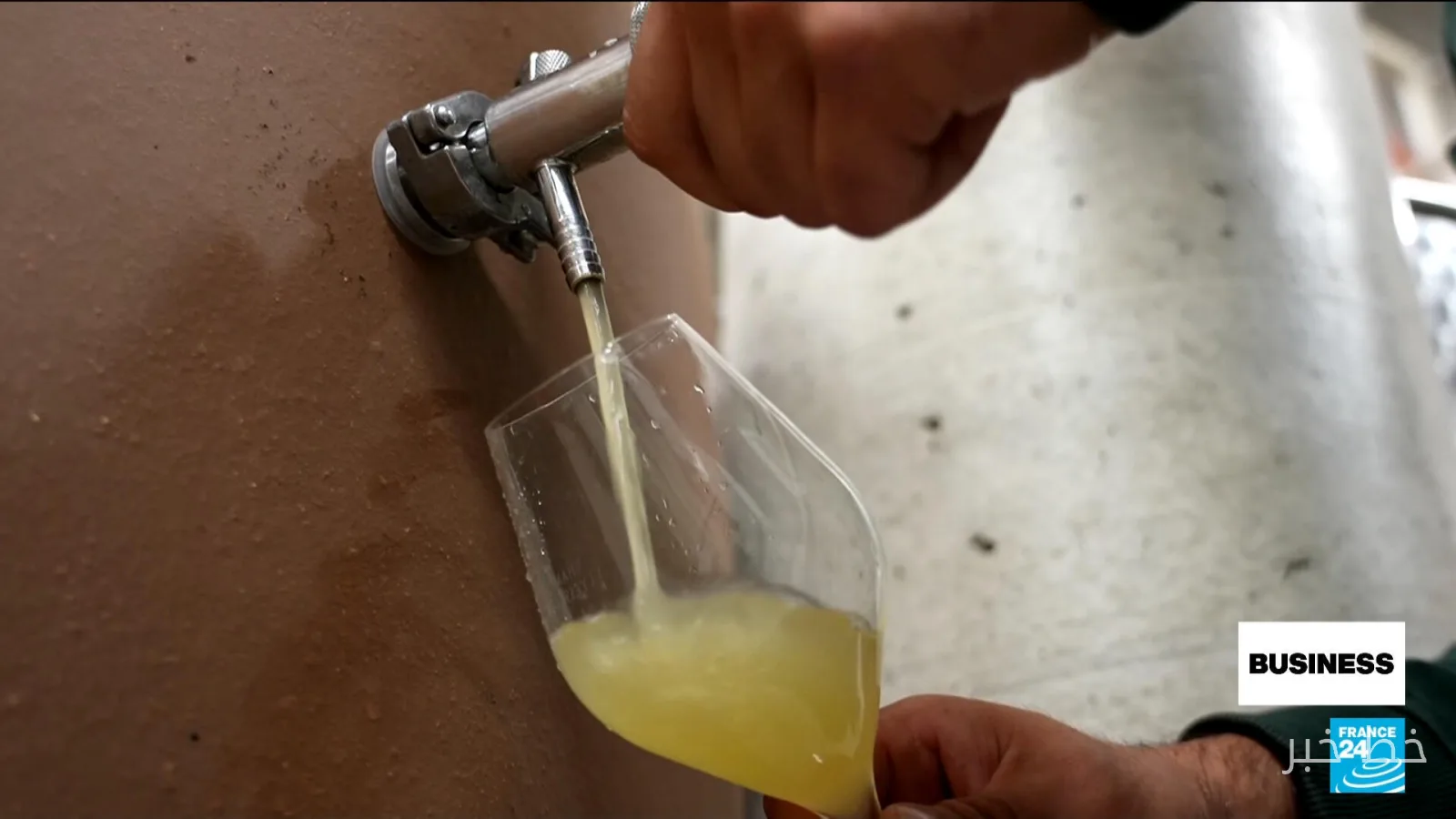
This year, French winemakers are experiencing an astonishing record in the world of winemaking. For the first time, they are allowed to sell their sparkling wines with more than 13 percent alcohol. This move is due to the unprecedented heat and prolonged droughts that have led to increased sugar levels in grapes.
The Impact of Climate Change on Winemaking
Climate change has had a significant impact on the winemaking industry. This situation has not only increased sugar levels in grapes but has also prompted winemakers to reconsider traditional winemaking regulations. They are concerned that if this trend continues, permanent changes in winemaking laws will be necessary.
As an industry with a rich history and tradition, winemaking in France has always closely monitored climatic conditions and the quality of its products. However, now, given the extreme heat and unpredictable droughts, it seems that these traditions may be changing.
New Challenges in Europe
Meanwhile, the European Central Bank is also facing new economic challenges. With rising energy costs and the threat of a new gas crisis, the bank has raised interest rates for the second time this year. These measures reflect serious efforts to manage economic crises and their impacts on financial markets.
As French winemakers adapt to new conditions, it remains to be seen whether these changes will benefit the quality and popularity of French wines. The future of winemaking in France is heavily influenced by climate change and economic decisions.