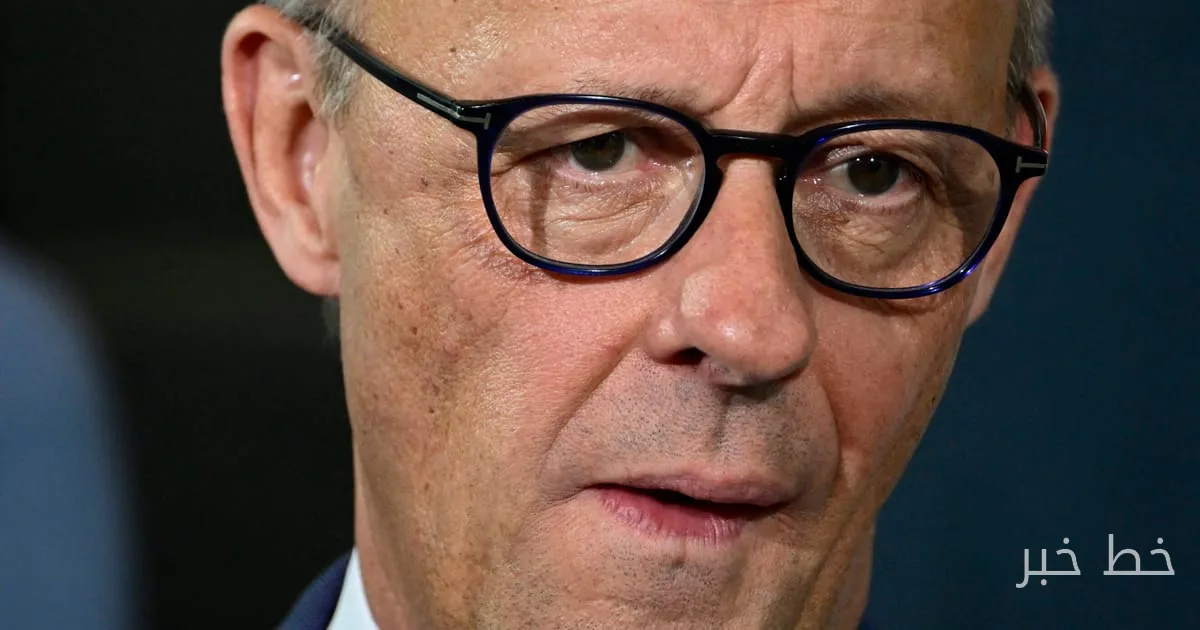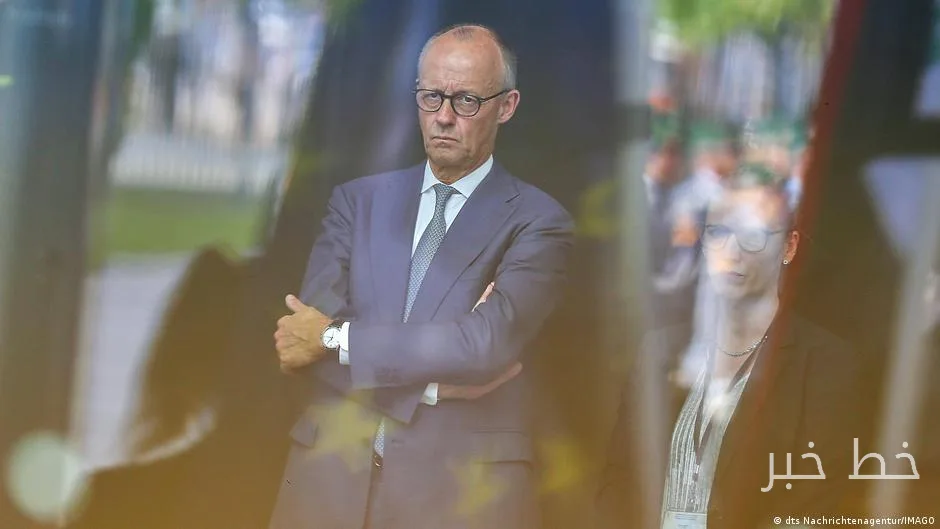
Friedrich Merz, the Chancellor of Germany, announced that he will not travel to New York for the United Nations General Assembly as previously planned. He has canceled the trip due to the need to be present in Berlin. This change in schedule comes as he faces increasing pressure due to the poor results of his party in the state elections.
Pressure on the Chancellor of Germany
The Christian Democratic Union (CDU) faced a heavy defeat in the recent state elections in Saxony-Anhalt against the Alternative for Germany (AfD). This defeat has been interpreted by some party members, including Alice Weidel, as a sign of the end of the CDU under Merz's leadership, prompting calls for new elections.
Now, the CDU is facing concerns that it may not be able to overcome the 5% hurdle to enter the parliament of Mecklenburg-Vorpommern, where elections are being held this week. Internal party sources indicate that confidence in Merz is waning, and some members have called for his resignation, but cabinet ministers and state prime ministers are offering their support for him.
Merz's Future Plans
On Sunday, Merz has scheduled a meeting with party leadership to gain more support from state leaders. He will also join a meeting with CDU/CSU parliamentary representatives in Berlin on Tuesday. Meanwhile, the crisis in the left-wing party The Left (BSW) continues, which has recently faced the exit of more members.
Oliver Skubek, one of the BSW members, announced on Tuesday that he is resigning from the party. Skubek is the sixth representative to leave the BSW since November of last year, joining 15 previous representatives. He stated that he wants to remain an independent in the state parliament and linked his decision to the nature of BSW as a protest party.
Tensions in the BSW have reached their peak, especially in facing questions about how to deal with the extremist AfD party. A senior BSW politician, Nils-Olav Leiders, described Skubek's departure as unfortunate but emphasized that it does not harm the party.
In other states, the BSW group in Thuringia has dissolved itself and formed a rival group at the state level. In Brandenburg, two of the six departing representatives have joined the Social Democratic Party (SPD), and four have formed a new group called "We for Brandenburg."
Initially, the BSW experienced a wave of popularity, but it is now facing a sharp decline in support and a resurgence of the traditional left party ahead of last year's federal elections.
Read more: New EU package to facilitate worker mobility