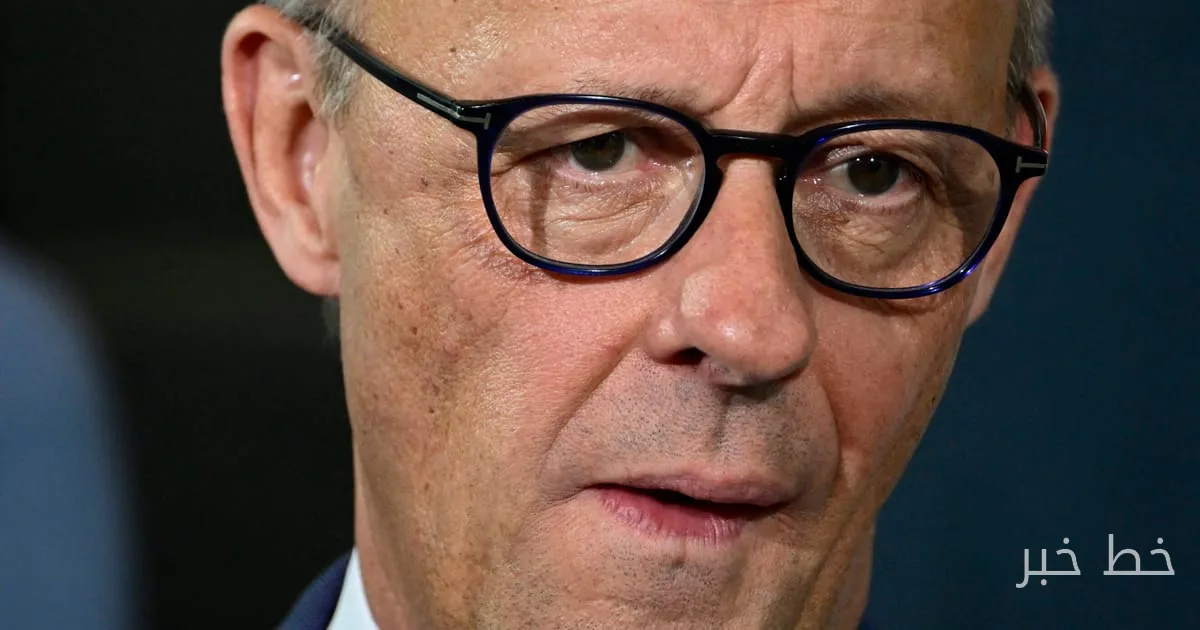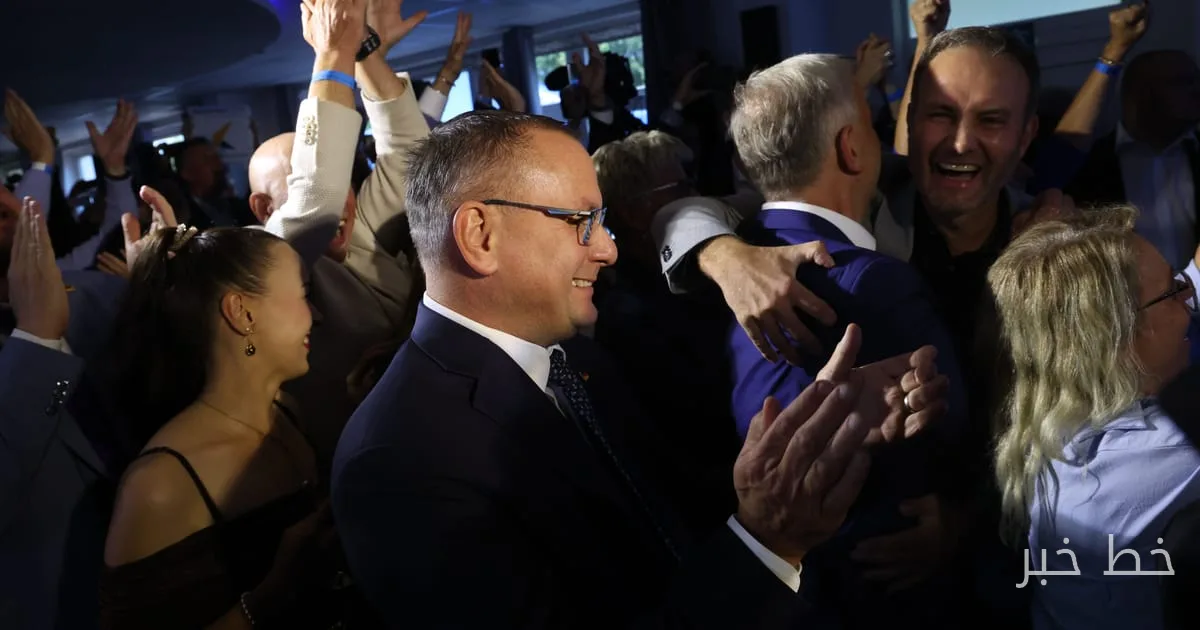
Friedrich Merz, Chancellor of Germany, following his second major defeat in a regional election to the far-right party "Alternative for Germany" (AfD), announced that he will continue his work. He described this defeat as a "disaster," occurring just two weeks after another historic loss in a different regional election. Merz stated immediately after the polls closed that he would continue to advance his reform agenda and aims to act as a stabilizing force in challenging times.
Election Results and Internal Pressures
Merz's party, the "Christian Democratic Union" (CDU), achieved its worst result since the end of World War II in a state or national election, garnering about 5 percent of the votes. If this percentage remains below 5 percent in the final count, it will deal a more severe blow to Merz and his party. In contrast, the AfD, with approximately 38 percent of the votes in the state of Mecklenburg-Vorpommern, achieved its second-best result in history, only surpassing the "Social Democratic Party" (SPD), which received 35 percent of the votes.
Merz's Emphasis on Reforms and Challenges
In his remarks, Merz emphasized that these reforms are an "antidote" to the toxicity of tyranny and that courage, perseverance, and patience are needed for what must be done. He stated, "I will demonstrate these qualities as the head of the CDU and especially as the Chancellor of our country." While Merz has stressed his reforms, polls indicate that only 1 percent of voters feel he has helped the party's electoral performance.
As a result of these defeats, Merz is facing internal pressures from members of his party who are calling for a change in party leadership. Some CDU members have publicly criticized Merz and called for changes in the party's policies and his leadership. They believe that Merz is unable to garner voter support and should consider a change in leadership.
Future Outlook
Merz, who has introduced his reforms as part of a plan to enhance Germany's competitiveness and revive the country's economic growth, has advised voters to be patient. However, as Germany's export growth model faces new challenges from China and the tariff war initiated by former U.S. President Donald Trump, it seems that voters do not trust him.
Merz is seeking to raise the retirement age, reduce certain health insurance benefits, and tighten sick leave conditions for workers in order to boost economic growth. These reforms will impose costs on ordinary voters and provide opportunities for right-wing and left-wing parties to exploit public discontent.
Read more: Gabriel Attal committed to creating the United States of Europe