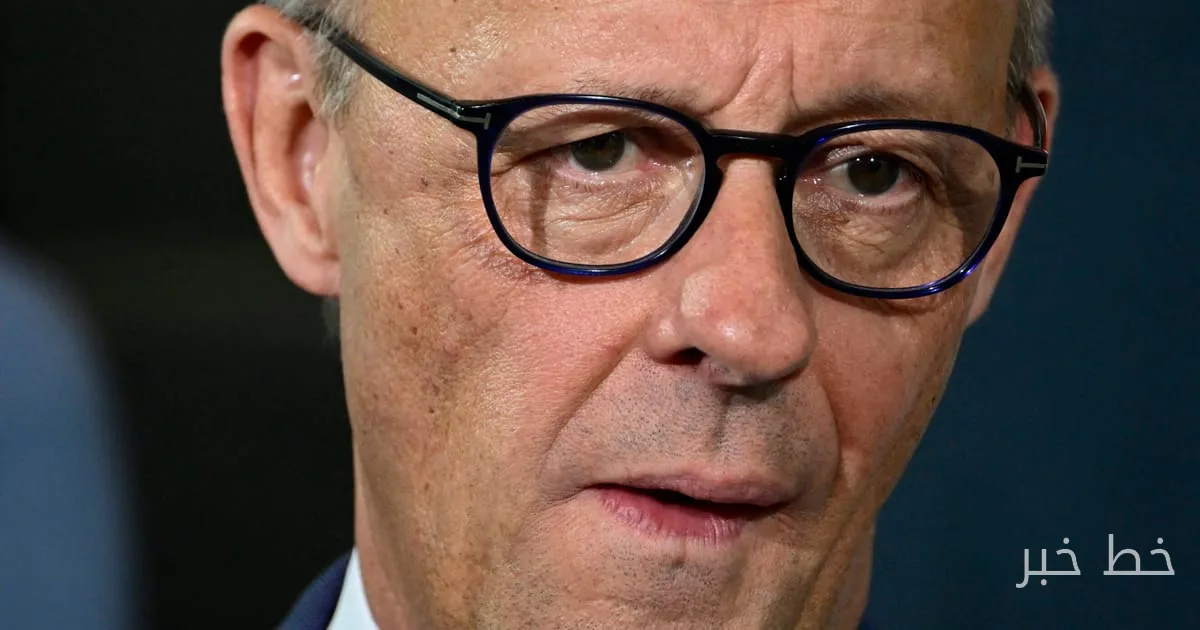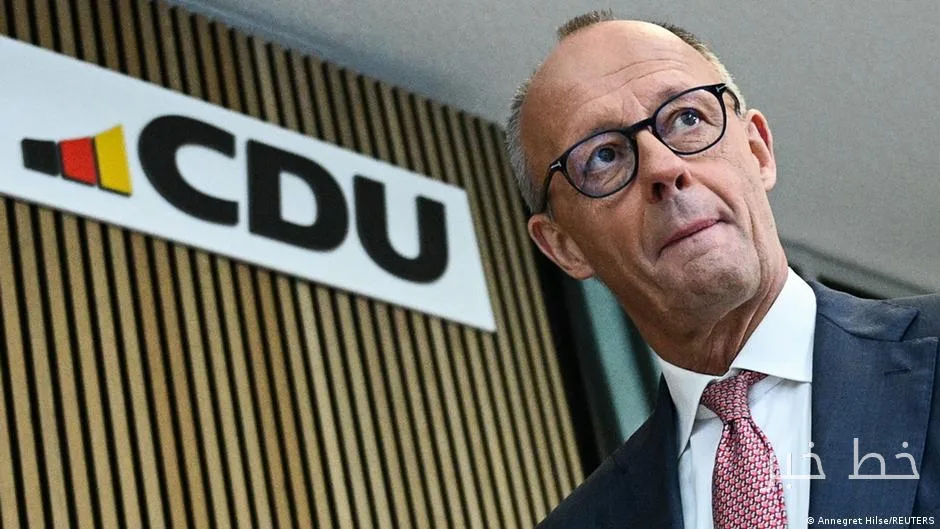
Friedrich Merz, the Chancellor of Germany, expressed concern after the results of two state elections held on September 20. His party, the Christian Democratic Union (CDU), failed to reach the 5 percent threshold in the state of Mecklenburg-Vorpommern for the first time, marking the first time CDU has been excluded from entering a state parliament.
Electoral impacts on the future of CDU
In the state of Berlin, where CDU is currently in power, the party faced a significant drop in votes and is likely to join the ranks of the opposition. Merz described these results as a "deep turning point" and stated, "This is a dramatic and unprecedented outcome for CDU in Germany, as we could not surpass the 5 percent threshold. The exit of an entire block from the state parliament is a heavy blow, and this issue will stay with us for a long time."
The role of federal policies and political changes
Merz also acknowledged that federal policies, which have failed to attract public support, played a role in these defeats. Many voters are dissatisfied with the Chancellor himself. He referred to political changes in Germany and said, "We are experiencing a dramatic change in the political system." Merz also pointed to competition on the political fringes, stating, "Over 40 percent of the votes went to forces that question our political system."
Party responses and political reactions
Leaders of the "Alternative for Germany" (AfD) party also expressed satisfaction with the election results, stating that CDU is no longer representative of the masses. Alice Weidel, one of the AfD leaders, claimed that the party has taken CDU's place as the party of the masses. On the other hand, Wolfgang Muno, a political scientist, dismissed this claim, stating, "AfD is an extremist right-wing party that has managed to bring together various groups."
In Berlin, the Left Party, with its main candidate Elif Eralp, achieved significant results and won an election in the city for the first time in its history. Eralp also regarded this result as a victory for solidarity and diversity.
In the state of Mecklenburg-Vorpommern, Manuela Schwesig, the candidate of the Social Democratic Party (SPD), achieved a relative success with about 36 percent of the votes and hopes to remain as the state's prime minister.