Friedrich Merz, the leader of the Christian Democratic Union of Germany, made an unexpected visit to Kyiv, Ukraine, in the midst of intense Russian attacks in the city. This trip took place over the past weekend and raised growing concerns about Germany's internal security and threats from Russia.
Security and Defense Risks
On the Monday following Merz's visit, German officials reviewed the security situation and threats arising from the war in Ukraine. Heads of German intelligence agencies noted in their meetings that the shadow war occurring in Ukraine has come closer to Germany's borders. This situation underscores the need for strengthening defensive and intelligence measures more than ever.
Read more: Wons gathers in Alaska for tight Senate election competition
Jörg Meyer, the Interior Minister of Thuringia from the Social Democratic Party, warned in a 200-second interview that Russian attacks on Germany's domestic infrastructure are increasing. He emphasized the necessity of preparedness against cyber attacks and espionage, calling for actions to counter these threats.
Domestic Political Challenges
Merz's return to Berlin was accompanied by significant political challenges awaiting him. On the eve of the coalition commission meeting, Rasmus Buchstein analyzed complex issues such as budget deficits, pension disputes, and healthcare reforms. Concerns about the future of the governing coalition and the possibility of further political crises were clearly reflected in these analyses.
In this context, Merz must strive to overcome domestic political problems while simultaneously strengthening the country's defense. The question is whether the governing coalition will be able to maintain its cohesion or whether existing disputes will lead to its collapse.
According to experts, this trip and its resulting developments could have profound impacts on Germany's domestic and foreign policies. As the country prepares for the new year, these challenges and security threats will remain top priorities for the government.
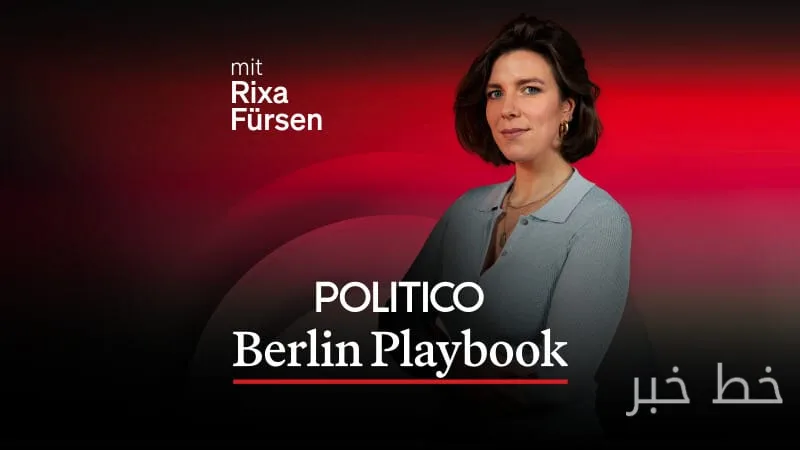
Additionally, the "Berlin Playbook" podcast airs every morning at 5 AM, and the expert team of this podcast provides comprehensive and international analyses of Germany's political situation. Furthermore, the "Berlin Playbook" newsletter, which includes the most important topics of the day, is available for free to interested readers.
Read more: The educational model of blue states has failed · US-Russia talks on Ukraine include oil deal with Kusher and Witkoff