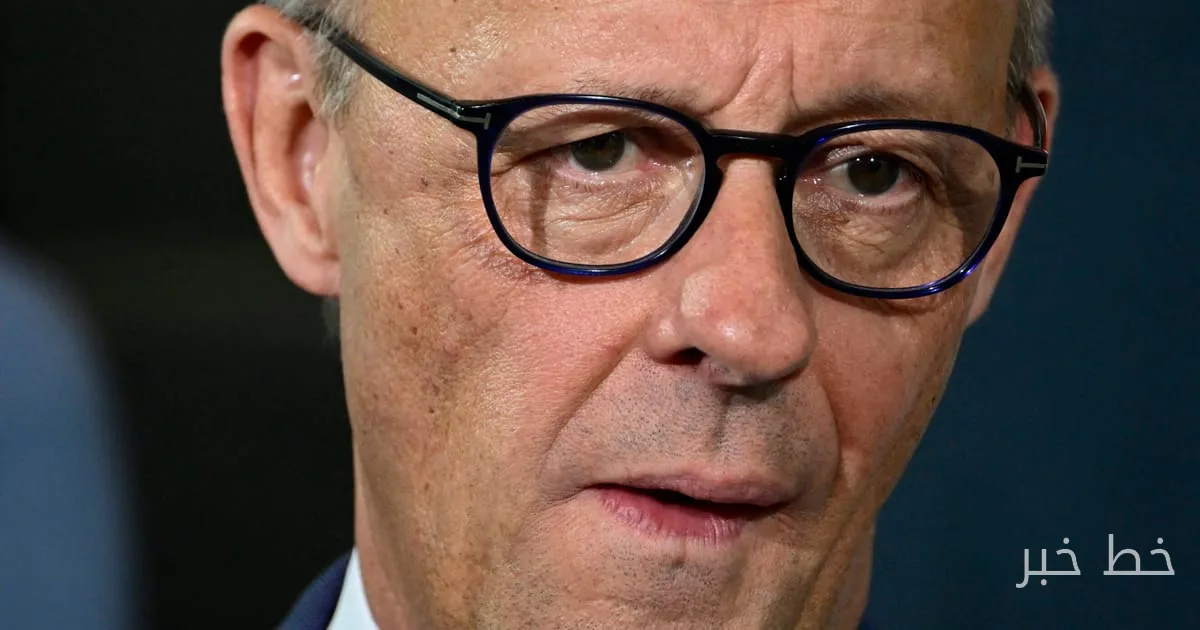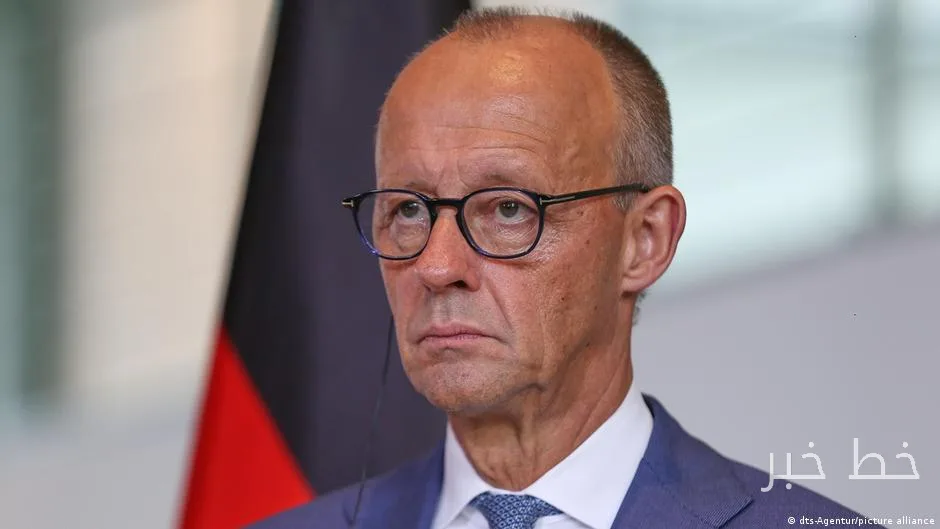
Friedrich Merz, the Chancellor of Germany, is facing severe criticism and public distrust as he has just returned from a European summit in Rovaniemi, Finland. This summit was held to discuss natural resources, geopolitical issues, security, and climate change, but Merz has been unable to stay away from internal tensions in Berlin.
Political and Electoral Challenges
In response to reporters' questions about the political situation in Berlin, Merz stated that he understands the ongoing discussions in Germany but believes that the future of Europe is of greater importance. He referred to his efforts to persuade his party members in the Christian Democratic Union (CDU) to focus on more significant issues. This comes just 16 months into his tenure as Chancellor, and the question now arises whether he is still the right choice for the position.
Read more: German Foreign Minister working to rebuild relations with Hungary
Public support for the federal government has reached its lowest level, and Merz's party, the CDU, has recently suffered a significant defeat in the Saxony-Anhalt state elections. Polls indicate that the party is facing a severe decline in votes for the upcoming elections in Mecklenburg-Vorpommern and may not reach the 5% threshold required to enter the state parliament.
Criticism and Distrust of the Government
The Alternative for Germany (AfD), known as a right-wing party, has recently achieved victory in the elections. This comes despite Merz's promise before taking office to halve support for the AfD, but it now seems that support for his party has also been halved. Criticism of Merz has increased due to his harsh communication style and his inability to explain significant reforms, including pension reforms.
The Minister of Education, Karin Prien, from the CDU, has also pointed to a lack of trust in Merz's cabinet and called for a change in approach and increased empathy within the government. In an interview with ARD, she stated: "Many people feel that the Chancellor and we in the CDU/CSU lack the necessary empathy. This needs to change." This attitude is clearly visible among government officials, and it appears that the government is in turmoil.
While Merz is in a difficult position as Chancellor, some state leaders, including Daniel Günther from Schleswig-Holstein and Michael Kretschmer from Saxony, emphasized the need for unity in the CDU and called for a focus on political actions rather than discussions about leadership changes. They stated that Germany needs stability more than ever.
Currently, despite the lack of clear options for Merz's succession, he seems unwilling to step down. There are rumors of a meeting with the CDU executive committee next Sunday, where Merz intends to review the results of the Mecklenburg-Vorpommern state elections.
Read more: Manuela Schwesig emerges as a single obstacle against the AfD · Friedrich Merz fights for survival in politics