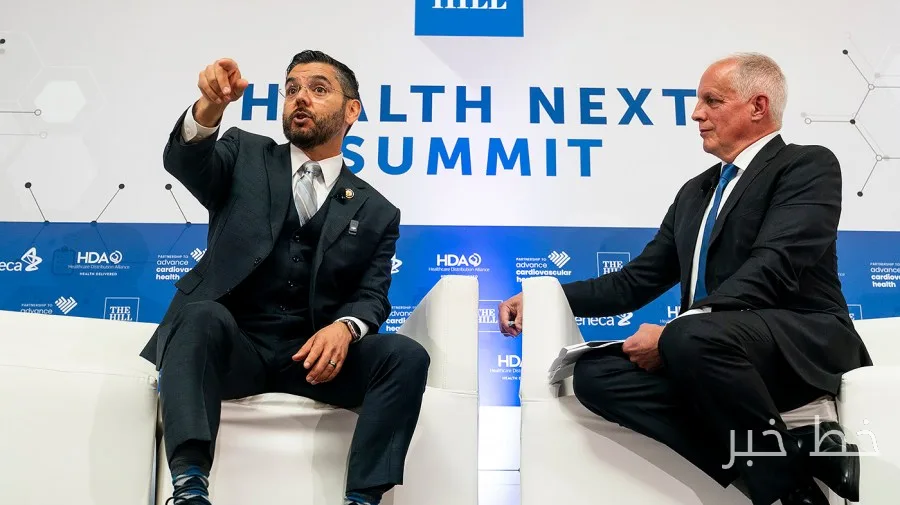
The Future Health Impact Challenge was launched to strengthen predictive health systems and identify health risks early. This challenge, in collaboration with Abu Dhabi and MIT Solve, received 393 proposals from 68 countries and introduced three selected solutions including ThinkMD, VectorCam, and Huna.
Opportunity for Early Action
Health systems typically identify risks only after the onset of disease or crisis. However, the Future Health Challenge seeks to change this trend by utilizing existing signals in the environment, communities, and daily health data for earlier action. This approach not only facilitates disease prediction but also helps connect early signals with timely actionable responses.
Innovative Solutions
ThinkMD has introduced an offline mobile platform focused on healthcare worker interactions with patients, conducting structured assessments based on clinical protocols. This platform is now used by nearly 10,000 healthcare workers in 885 health centers. The information collected from these consultations can indicate changes in symptoms and service demand. For example, in Zambia, an analysis of one million visits revealed that disease symptoms were identified several months before the outbreak of a cholera epidemic.
VectorCam enables community health workers to take pictures in the field and identify mosquito-related risks using a low-cost imaging device and offline artificial intelligence. This initiative helps reduce the risk of disease outbreaks, and the data obtained can indicate changes in disease risk.
Huna analyzes complete blood count data to identify individuals at risk of cancer. This platform assists patients and health experts in following up on next steps. In Brazil, Huna has screened over 500,000 individuals and identified hundreds of cancer cases.
Impact of the Future Health Challenge
This challenge acts as a platform to accelerate the identification and adoption of effective solutions. Support and recognition from the challenge can help Huna gain more credibility and facilitate new international collaborations. These solutions demonstrate that useful signals can be obtained from various sources and predictive methods can be developed in environments with limited access to facilities.
However, to translate local successes into system-wide impact, local validation, integration into existing workflows, responsible data governance, sustainable funding, and workforce training are needed. These challenges highlight that serious attention must be given to these issues to create effective changes in decision-making and health outcomes.
Read more: Voter Registration on Election Day is Possible in Some States · Ongoing Air Pollution Crisis in Delhi