With the new forecast from economic institutions, Germany is witnessing a significant increase in its economic growth outlook. Institutions predict that the country's GDP will grow by 1.3 percent in 2026 and by 1.1 percent in 2027.
Challenges Ahead for Merz
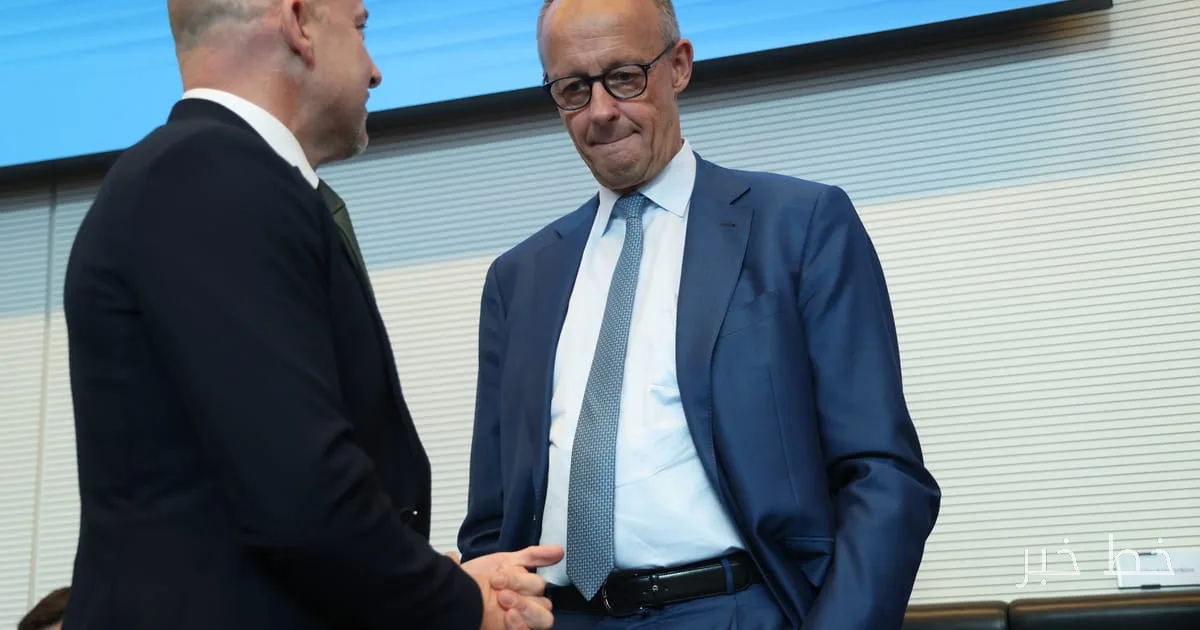
This new forecast creates temporary hope for Friedrich Merz, the Chancellor of Germany, who is under significant political pressure. Merz has faced criticism for his inability to implement the necessary economic changes in Germany. Additionally, the rise of the right-wing party "Alternative for Germany" (AfD), which is leading in national polls, adds to these pressures.
Read more: Chairman of the National Republican Committee Predicted GOP Will Dominate Congressional Seats
Germany's economic growth has particularly been driven by increased exports and production, strong global demand, and higher government spending. However, experts also warn that issues such as rapidly rising debts and political tensions may impact these forecasts.
Economic and Political Risks
Economic experts from leading institutions in Germany have warned about domestic political trends. They believe that the government coalition may retreat from necessary and unpopular reforms in health and pension systems due to AfD's historic victories in regional elections. Oliver Holtemöller, head of economic forecasting at the Halle Institute for Economic Research, stated that "the economy has performed stronger than expected, but this improvement is built on a thin foundation that is under pressure from high energy prices and structural problems."
Holtemöller also pointed to the issue of Germany's declining population, saying that this problem could be exacerbated by the rise of populist forces that make the country less attractive for skilled workers. He added, "One solution could be for the country to be open to the immigration of skilled workers, but given current trends and recent election results, it is clear that many people do not want this to happen."
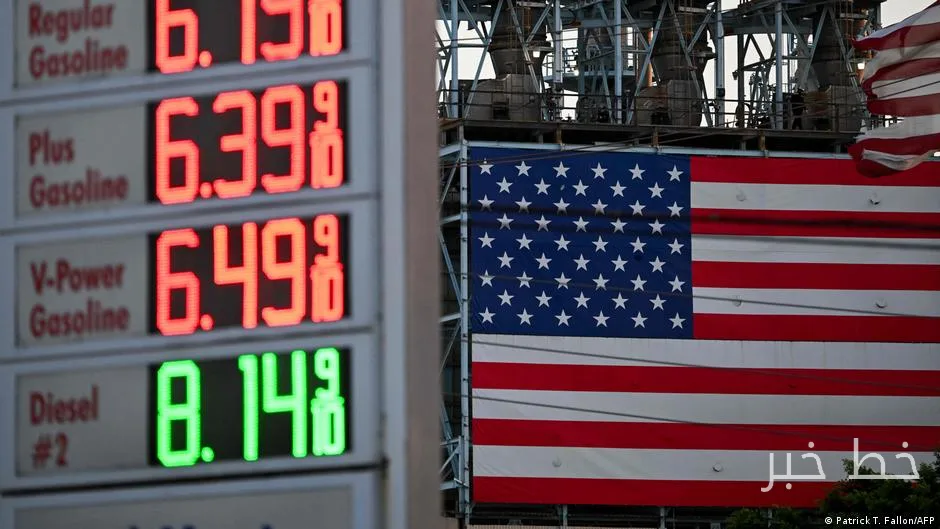
As the German government struggles to cope with rising costs and other challenges, private consumption and business investment have remained weak. Experts say that high energy prices, particularly related to the war in Iran, have put pressure on household purchasing power.
Inflation in Germany is expected to rise to 2.8 percent this year and to 3.2 percent in 2027, before decreasing to 2.0 percent in 2028. Experts have also warned about the risks posed by rising debts in Germany, which, if uncontrolled, could lead to instability in the Eurozone.
Given these challenges, Germany's government deficit is projected to increase from 4.1 percent of GDP this year to 4.7 percent in 2028. Holtemöller warned that "there is a significant risk that Germany may conflict with the framework of European fiscal policy" if the country fails to adjust its spending.
Read more: Republicans Are Increasingly Distancing Themselves from Trump on Iran · Over 40 Percent of Americans Have a Positive View of Socialism