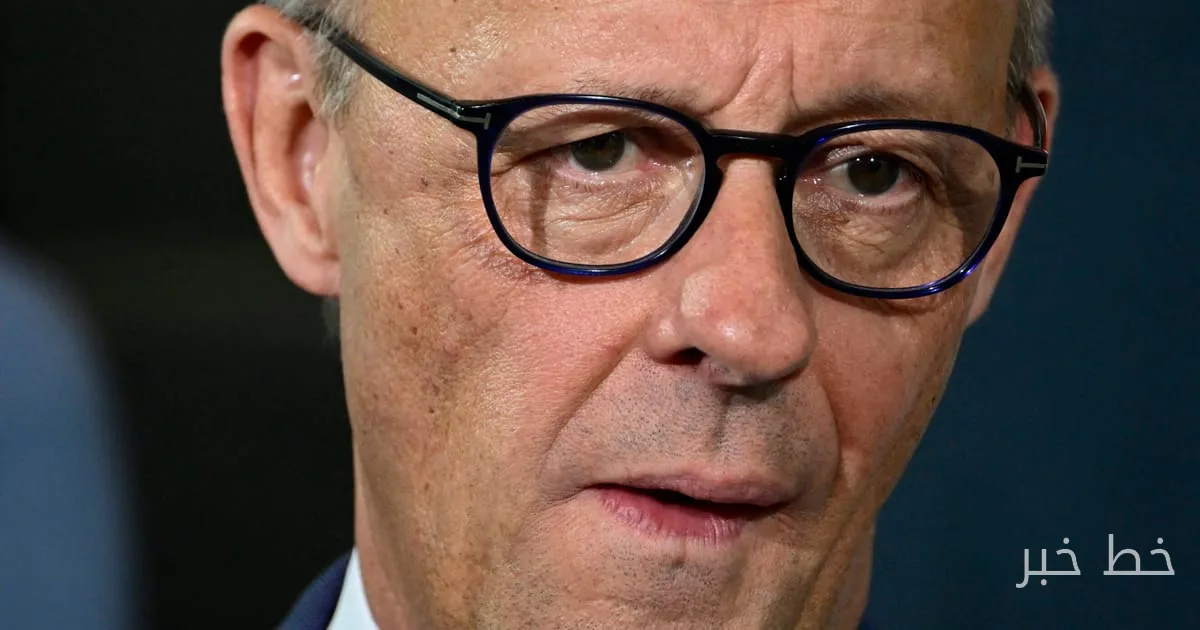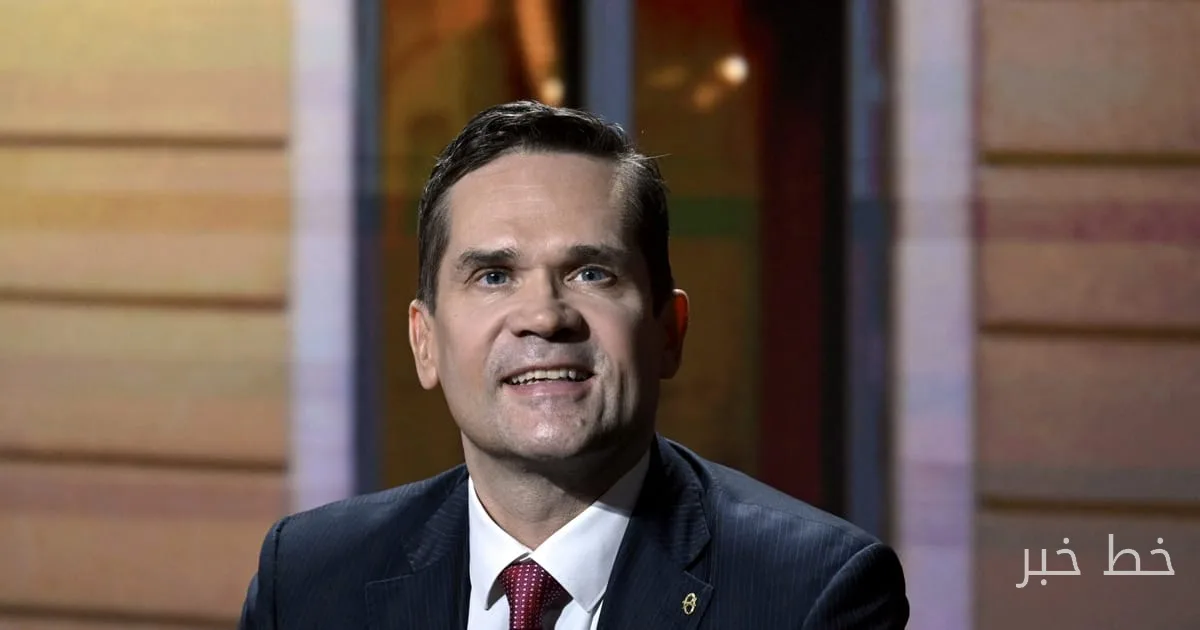
Greg Stanton, head of the European People's Party (EPP) delegation, announced that he does not reject cooperation with far-right parties to advance the policy agenda of this party. He stated in a live event in Brussels that there is nothing to be ashamed of in the party's record, and on the contrary, this party has been able to pass its content.
Criticism of Limited Political Practices
Stanton added that he opposes creating barriers to prevent far-right forces from entering the political arena, describing this as bad behavior on the other side of the wall. He also pointed out that in some issues, far-right parties have relatively reasonable views, although in others, their positions seem unreasonable.
Read more: Friedrich Merz Described the Election Results in Mecklenburg-Western Pomerania as a Disaster
Since the 2024 European Union elections, the European People's Party has passed several legislations with the support of far-right and right-wing parties, especially in the areas of immigration and environmental policies. Meanwhile, centrist parties have significant disagreements, particularly in these areas, and have often been sidelined by their traditional partners.
Pressure for Stronger Agreements
Liberal and Social Democratic parties are now calling for strong and valid agreements among the three centrist forces to prevent the European People's Party from leaning towards the far-right. René Repasi, head of the Social Democrats in parliament, stated that efforts in the center must be increased, and if they cannot find agreements within packages, they should reach agreements between packages.
However, Stanton criticized this idea, stating that the political reality of the parliament is much more diverse than to create a hard and inflexible agreement. He believes that such an approach leads to unrealistic and inappropriate policies that no voter would accept.
Ger Benjan Grandbury, Vice President of "New Europe," also emphasized the importance of unity among centrists to tackle global challenges including Ukraine, geopolitical issues, climate change, and the cost of living crisis, warning that disputes over far-right barriers distract from more important issues for EU citizens.