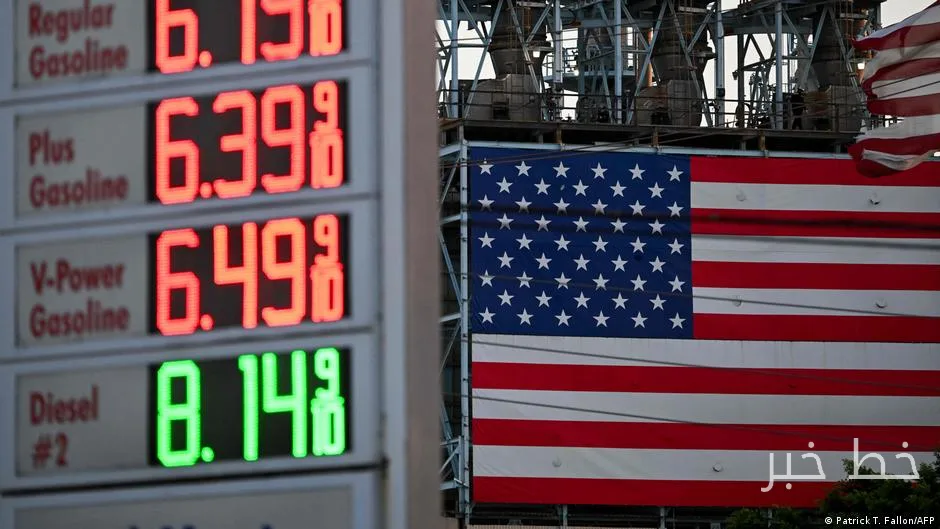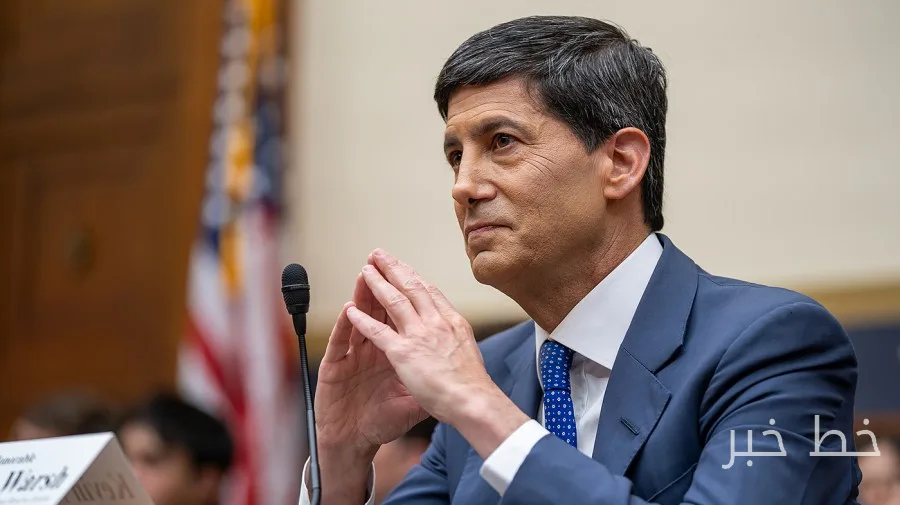
Greg Stanton, the Federal Reserve Chair, is in a challenging situation ahead of the bank's September meeting. With rising expectations for a rate hike, President Trump's demands for lower rates have become a challenge. This issue could have significant implications for U.S. economic policies and the state of financial markets.
Clash of Expectations and Demands
Stanton hinted at a rate hike in late August, saying that the Federal Reserve must "take action" to achieve the 2% inflation target. These remarks reflect his dissatisfaction with the current economic situation and inflation, which is currently above the set target.
On the other hand, Trump is strongly emphasizing a rate cut, which could influence the Federal Reserve's decisions. The President believes that lowering rates could help economic growth and create better conditions for businesses. This clash between the two officials could create instability in financial markets.
Possible Consequences for Markets
The Federal Reserve's decisions, especially in the current conditions, could have deeper impacts on financial markets and the macroeconomy of the United States. If Stanton moves towards a rate hike, we may witness negative reactions from investors and analysts. Conversely, if Trump's demands are taken into account, rates may remain low, which could also lead to increased inflation.
Ultimately, the Federal Reserve's decisions will not only affect the U.S. economy but also the global economy. Tensions between the government and the Federal Reserve could lead to uncertainty in the markets, necessitating careful consideration and further analysis by analysts and investors.