Greg Stanton, a senior government advisor in Britain, warned his country not to limit itself to the environmental laws of the European Union during the pre-Brexit period. In an interview, he emphasized that Britain must quickly increase its nuclear energy capacity and should not reduce investment in this area out of fear of existing laws.
Need for Reforming Nuclear Laws
Stanton pointed out in his reviews that the existing bureaucracy regarding nuclear laws has hindered the progress of new projects in Britain. He said: "We should not reduce our efforts to increase nuclear energy production capacity due to fear of existing laws." He also emphasized that EU member countries have more freedom to be flexible within the framework of laws, and Britain should maintain this flexibility in negotiations with the EU.
Future Challenges of Nuclear Energy in Britain
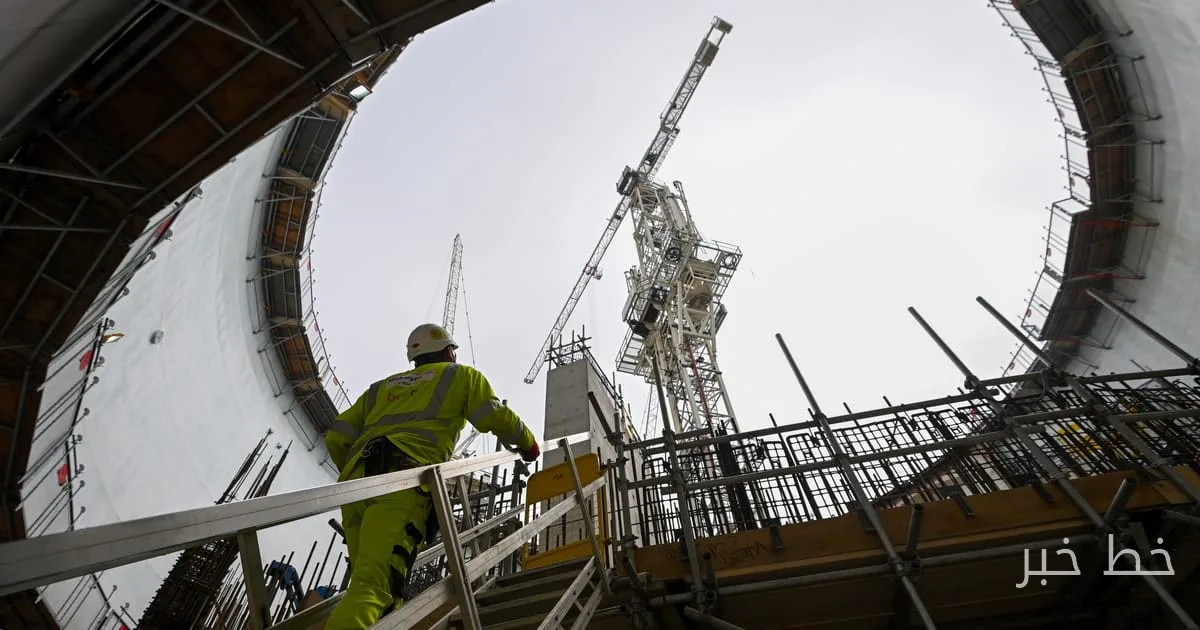
The Labour government in Britain has promised to usher in a "golden age of nuclear energy" by establishing large projects like Sizewell C and Rolls Royce small modular reactors. However, the country faces serious challenges, as four out of five current power plants in Britain will be shut down by 2030. Hinkley Point C will be the first new nuclear power plant in Britain since the opening of Sizewell B in 1995.
In his reviews, Stanton raised the need for a "fundamental adjustment" in Britain's nuclear laws and called for the elimination of the redundancy of existing environmental laws. The British government is currently negotiating for a "reset" in its relations with the EU, which could impact nuclear laws and environmental protections.
Stanton also noted that the government should not rush to implement all the recommendations of its 2025 review and should allow enough time to create effective laws. He said: "It is important that the laws are properly formulated to avoid haste."
The reaction of Keir Starmer, the former Prime Minister, to Stanton's report showed that he is committed to implementing all recommendations by the end of 2027. A spokesperson for the ministry also announced that all reforms are expected to be completed by the end of 2027.