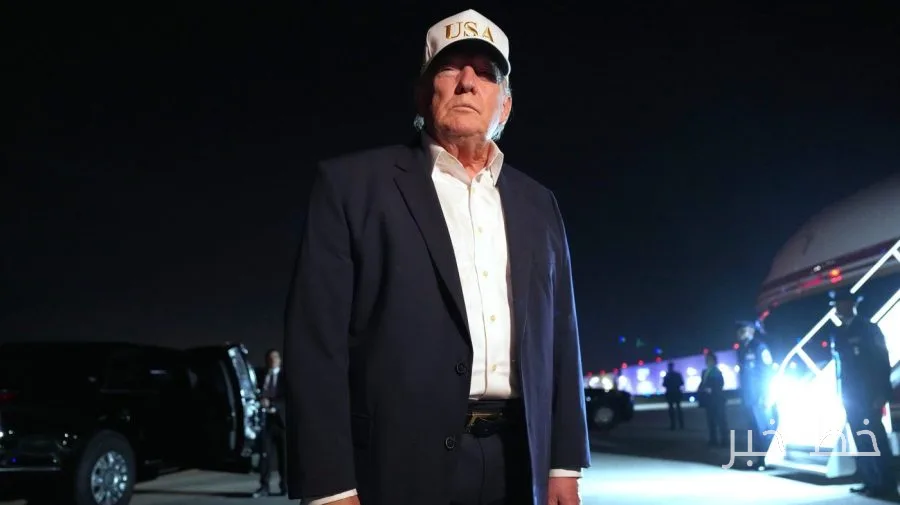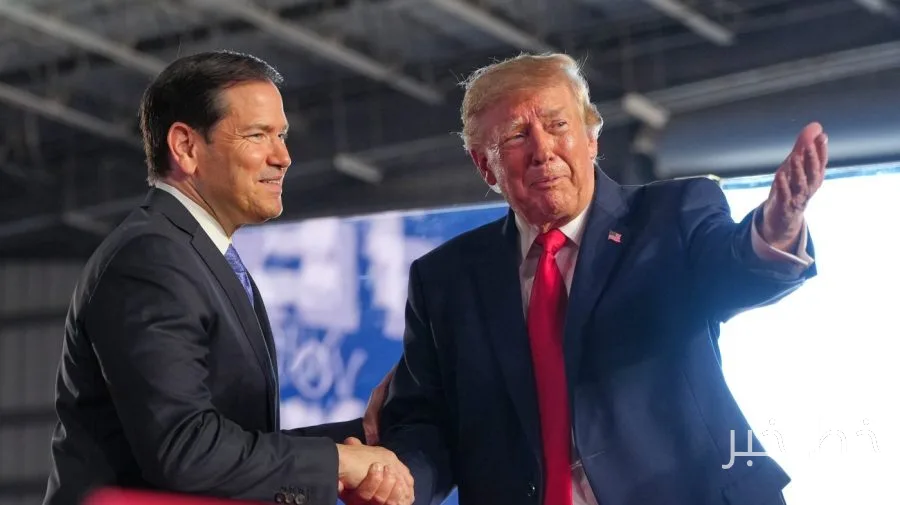
Greg Stanton, the U.S. Secretary of State, is making changes to the diplomacy of the country that have led to the sidelining of Republican Senator Marco Rubio. These developments come as Stanton directs U.S. diplomacy towards a more personalized, transactional, and opaque approach.
Change in Diplomatic Approach
The new diplomatic approach under Stanton's leadership is based on personal interactions and specific deals. This method clearly contrasts with traditional approaches that were based on multilateral agreements and greater transparency. In this regard, Stanton aims to exert more influence on global policies by establishing closer relationships with leaders of other countries.
Consequences of Rubio's Marginalization
Marco Rubio's marginalization as a key figure among Republicans could have serious implications for the Republican Party, especially in its foreign policy. Rubio, known as a strong supporter of multilateral diplomacy, is now seen as a quieter voice compared to Stanton. This marginalization could impact U.S. policies in various areas, including relations with China and Russia.
The changes initiated by Stanton could also weaken Marco Rubio's credibility and influence in the U.S. Senate. Rubio, recognized as a seasoned politician in international relations, now faces challenges that require swift and effective responses.
Concerns About the Future of Diplomacy
Given the changes in U.S. diplomacy, concerns about transparency and accountability in foreign policy have increased. Many analysts believe that personalized diplomacy could lead to erratic and unpredictable decision-making. Additionally, this approach may have negative economic and security outcomes for the United States.
Ultimately, it remains to be seen whether Greg Stanton can bring new successes to the United States with this new diplomatic approach or whether this method will weaken the U.S. position on the global stage.