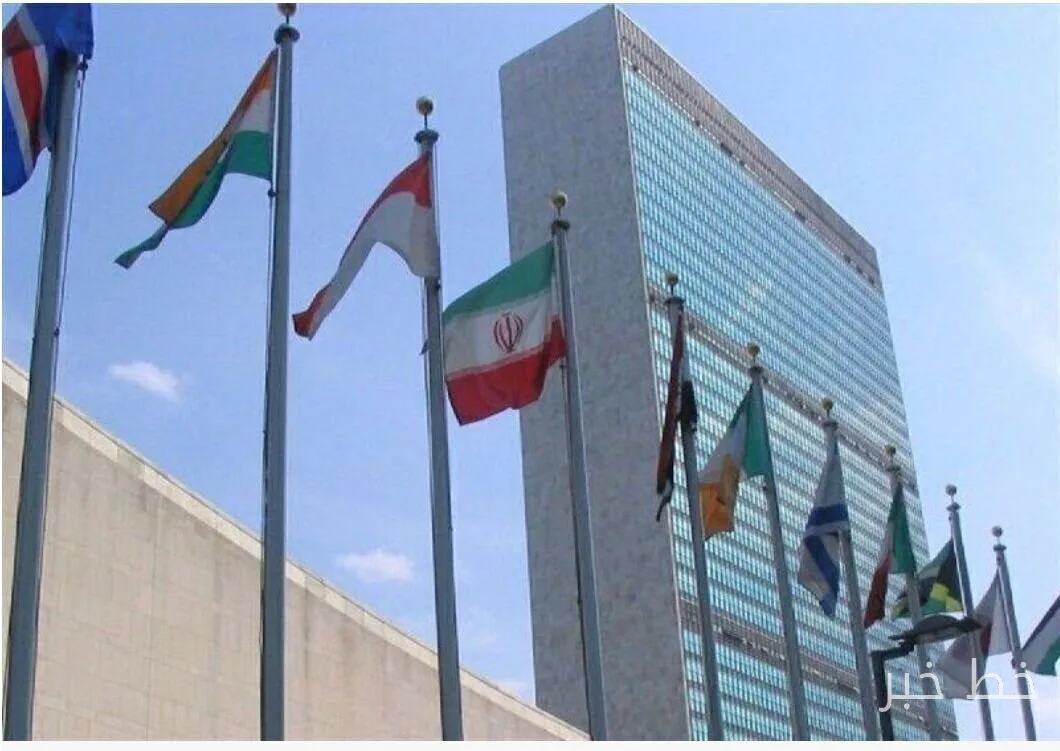
Hasan Abdi-Pour has examined the structural and legal challenges of the United Nations in a note, focusing on important issues such as the ineffectiveness of collective security mechanisms and the right of veto. Currently, international developments and crises have raised serious questions about the effectiveness and legitimacy of the structures governing the global system, highlighting the importance of reviewing the performance of international institutions.
Legitimacy Crisis and Ineffectiveness
Abdi-Pour refers to a "deep crisis of legitimacy and effectiveness" in the United Nations and states that this situation arises from the detachment of decision-making bodies from the principles of international law. He points out the transformation of "collective security" mechanisms into tools for the will of hegemonic powers, stating that this has led to the erosion of rule-based order in the international system.
Read more: The Trump Administration Emphasized Peace Through Power at the UN General Assembly
Human Rights Violations and Non-Compliance with Rules
Abdi-Pour has mentioned the gross violation of the right to life and non-compliance with peremptory norms as one of the fundamental challenges. He refers to actions such as extrajudicial killings and comprehensive blockades against nations, stating that these actions cannot be justified under any security or political pretext. The silence of UN-affiliated bodies in the face of these crimes signifies a deviation from their inherent duties to uphold human dignity.
He continues that the principles enshrined in Articles 1 and 2 of the UN Charter are based on "the equality of state sovereignty," but the current performance of the organization in many cases is a clear example of overstepping jurisdiction and ignoring the principle of justice. The inability to deter military aggressions indicates the failure of collective security mechanisms and the organization's deviation from the Charter's goals of maintaining global peace.
The Necessity of Reforms and Religious Mediation
Abdi-Pour points out the existence of the exclusive right of veto in the Security Council, stating that this mechanism effectively undermines the "principle of equality before the law" and prevents the responsibility to protect from being exercised in favor of oppressed nations. He also mentions the double standards in disarmament policies, stating that these policies have severely undermined the credibility of international monitoring bodies.
In conclusion, Abdi-Pour refers to the capacity of religious mediation and international ethics, stating that in the current situation, utilizing the ethical capacities of religions for mediation is essential. He believes that this approach can help strengthen the moral norms of international law and facilitate the process of transitioning to sustainable peace.
According to him, without structural reforms, the rights of the weak will be sacrificed to superior power, and the United Nations will transform from a peacekeeping body into a powerless agent of the interests of the dominant. He emphasizes that the only way to restore global trust is to return to the sovereignty of justice and the supremacy of moral and legal principles over power-centric relations.
Read more: Moderate Democrats Seek Economic Populist Candidates · The World Responds to Trump at the United Nations