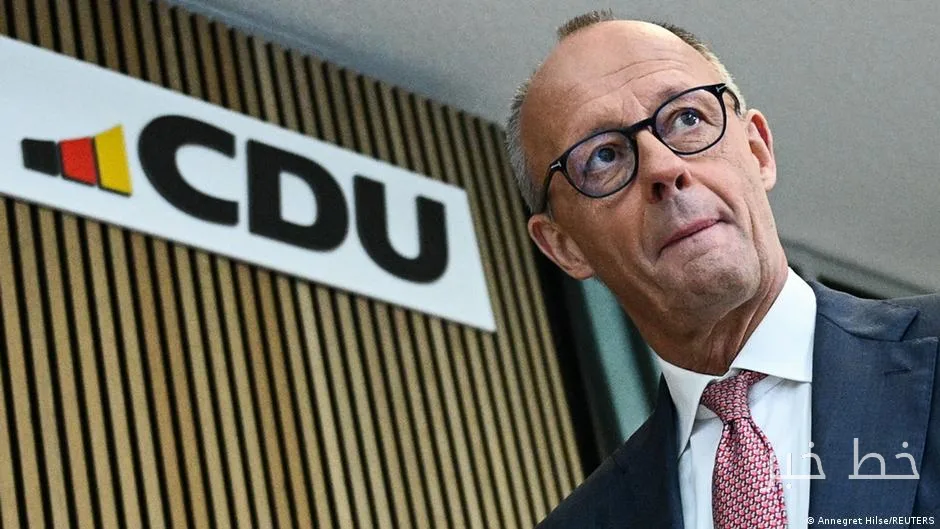
The Christian Democratic Union of Germany (CDU) faced a heavy defeat in the state elections held on September 20, failing to secure 5% of the votes needed to enter the state parliament in Mecklenburg-Vorpommern for the first time. In Berlin, where the party is currently in power, it also faced a significant drop in votes and is likely to join the ranks of the opposition.
Chancellor's Reaction to Election Results
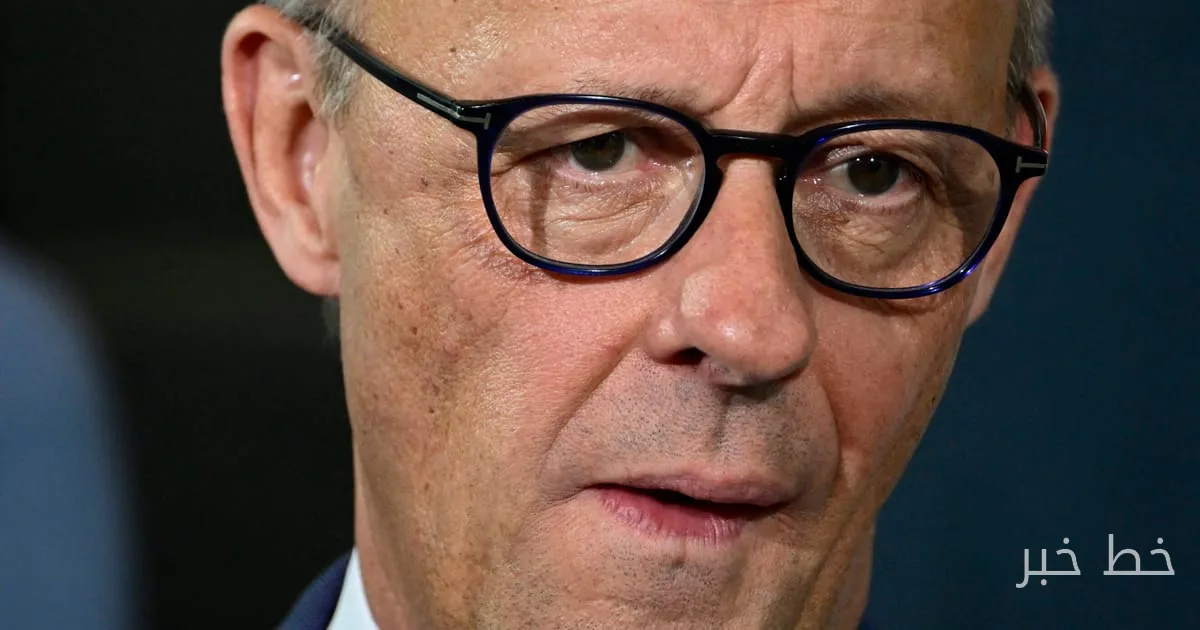
Friedrich Merz, the Chancellor of Germany, highlighted the significance of these results, stating: "This election is a profound turning point. This is a dramatic and unprecedented outcome for the CDU, as we have failed to surpass the 5% threshold. The exit of a complete bloc from the state parliament is a heavy blow that will stay with us for a long time." Merz also pointed to the role of federal policies that have failed to attract public support. Most voters are also dissatisfied with the Chancellor.
Merz also referred to changes in the party's political system, saying: "We are witnessing dramatic changes in the political system of Germany that many other countries are also experiencing." He mentioned competition on the political fringes, stating: "In the recent elections, over 40% of the votes went to forces that question our political and parliamentary system and seek to provoke people with radical and simplistic solutions." He referred to the Alternative for Germany (AfD) party and the Left party.
Increase in Votes for AfD and the Left Party
The AfD party is recognized as a far-right party in five of the sixteen federal states of Germany. In Berlin, votes for this party increased from 9% to 16%, and in Mecklenburg-Vorpommern, this figure more than doubled to 38%. Tino Chrupalla, co-leader of the AfD, stated: "The blue wave cannot be stopped."
Alice Weidel, another co-leader of the party, announced that the CDU has been severely hit and that the Chancellor's resignation "has been delayed." She also pointed to the CDU's unwise policies that have hindered the formation of a coalition with her party and the Left party.
In contrast, Wolfgang Muno, a political science professor at the University of Rostock, rejected the AfD's claims of replacing the CDU, describing the party as a far-right party that has managed to bring together various groups. He also emphasized that the Left party is moving towards becoming a democratic and operational party.
In Berlin, the Left party, with its candidate Elif Eralp, managed to double its previous result to 26% and won for the first time in the city. Eralp, whose parents sought asylum in Germany after a coup in Turkey, could be elected as the first mayor from the Left party in Berlin.
Manuela Schwesig, the Social Democratic Party (SPD) candidate in Mecklenburg-Vorpommern, secured 36% of the votes and seems likely to remain as the state's prime minister. She announced her intention to negotiate with the Green and Left parties that are represented in the state parliament.