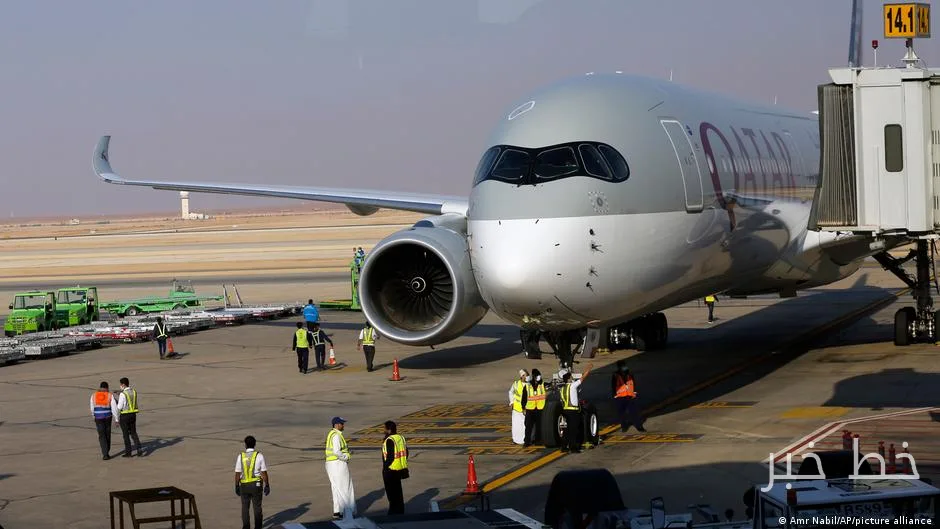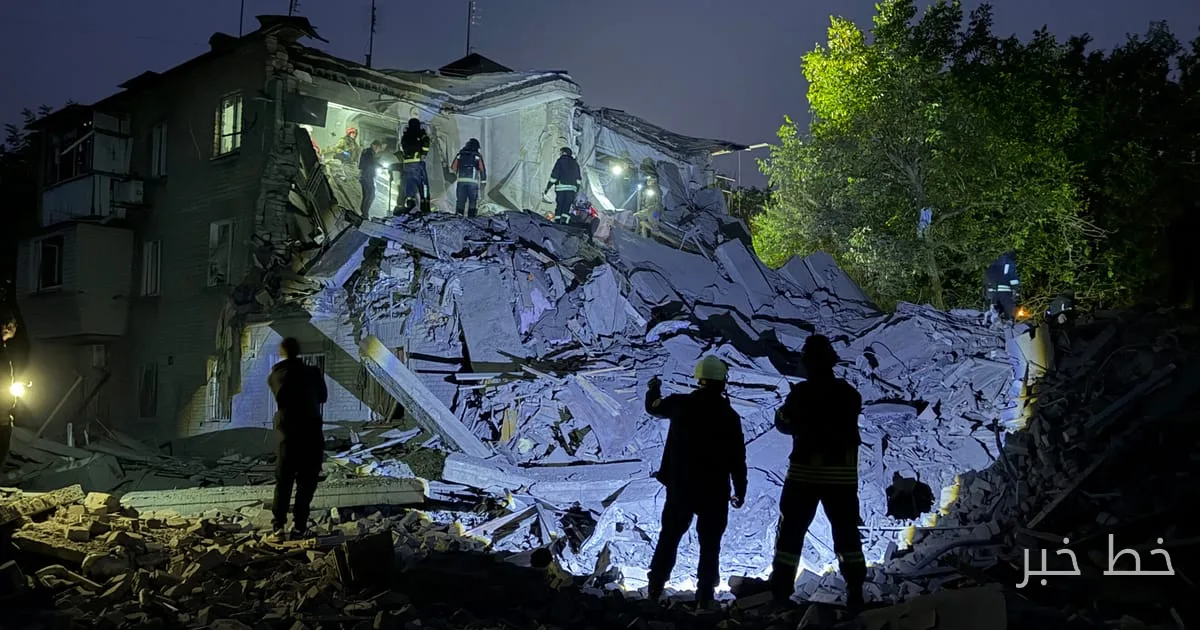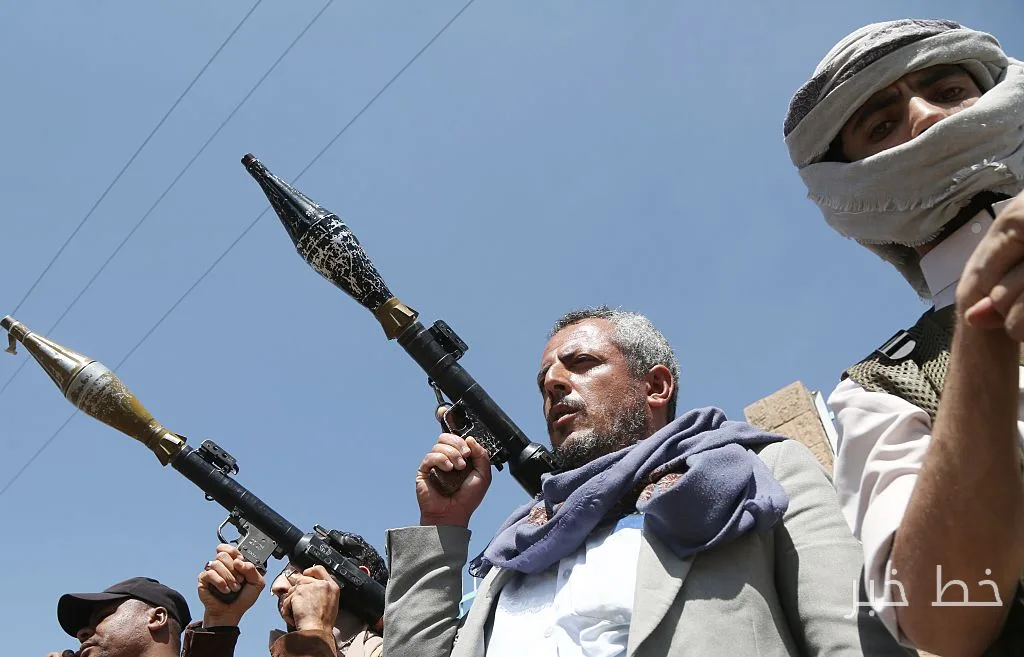
Houthis recently attacked Saudi airports, resulting in the deaths of three people and injuries to 36 others. These attacks came amid escalating war in Yemen. The Houthis claimed they targeted King Khalid International Airport in Riyadh on Thursday, following a previous attack on this airport that resulted in one death and eight injuries.
Details of the Attacks and Casualties
According to officials, two others were killed in the attack on Abha International Airport, and 28 were injured. These attacks occurred on Tuesday and Wednesday. The Houthis claimed responsibility for these attacks. Yahya Saree, the Houthi spokesman, warned airlines on Thursday to refrain from continuing their flights in Saudi airspace, calling it a "theater" of Houthi military operations.
Read more: Students in Brazil Protest Against Bolsonaro
Response of the Saudi Coalition and Dimensions of the War in Yemen
The coalition led by Saudi Arabia announced on Wednesday that these attacks "will not go unanswered" and stated that it has destroyed 82 Houthi military sites in the provinces of Saada, Al Hudaydah, Al Jawf, and Marib in Yemen. The Houthis have become increasingly active in a series of attacks on Saudi infrastructure since the launch of a major offensive by Yemeni government forces to reclaim key territories around the Bab al-Mandab Strait. Yemeni forces, supported by Saudi airstrikes, announced on Monday that they had reached Mocha and pushed the Houthis back from this strait, although the Houthis denied these claims.
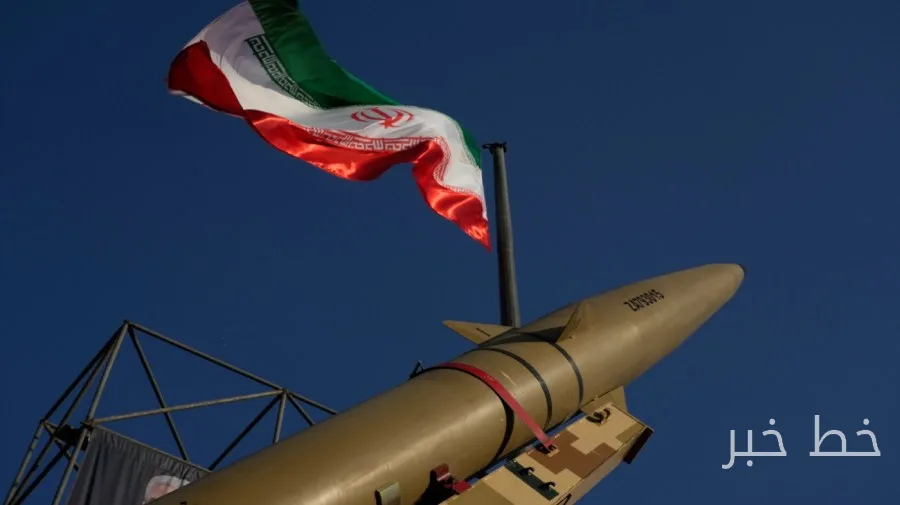
This conflict has reignited the years-long civil war in Yemen, which has created one of the worst humanitarian crises in the world. The International Organization for Migration has reported that over 200,000 people have been displaced since the resumption of hostilities in June. The Saudi coalition accuses Iran of arming and financing the Houthis, while both sides deny these allegations.
This crisis has also opened a new front in the U.S. and Israel's war against Iran, which began on February 28 with a wave of U.S. and Israeli attacks. Reports indicate that the Houthis have received orders from the Islamic Revolutionary Guard Corps of Iran to seize Mocha to pose a threat to global shipping and energy flows on other routes. The battle for Bab al-Mandab has gained more significance in recent weeks due to new attacks on ships in the Strait of Hormuz.
Several attacks on airports, including the attack on Riyadh airport, resulted in the death of a Sudanese citizen and injuries to five Saudi citizens, two Egyptian residents, and one Pakistani resident. The attack on Abha airport also resulted in the deaths of a Moroccan woman and an Algerian woman, along with injuries to Saudi citizens and Bangladeshi and Filipino residents.
On Wednesday, Yemeni officials announced that missile and drone attacks targeted Aden International Airport in Yemen. One of the missiles landed near the airport runway, and an attack occurred at that time. The Houthis confirmed this attack but stated that their target was a military camp.
Last month, Saudi Arabia accused the Houthis of attempting to attack Mecca, labeling it a "red line." The Houthis and Iran denied these accusations. Reports also indicate that Syria is considering providing military assistance to Saudi Arabia, although the Syrian Foreign Ministry has not confirmed this. Saudi Arabia has also requested assistance from the United States, although President Donald Trump has so far refrained from requests for direct attacks on the Houthis.
Although oil exports from the Middle East have increased in recent weeks, renewed attacks on ships near the Strait of Hormuz have raised risks in Bab al-Mandab, which has become an alternative route for Saudi oil exports since the onset of the Iran war. Last week, attacks on oil tankers in the Strait of Hormuz reached their highest weekly level since the start of the Iran war.