The Alternative for Germany (AfD) demonstrated with its historic victory in Saxony-Anhalt that a change in advertising approach can have significant impacts on election results. While five years ago, this party used only the discouraging word "enough" in its election posters, this time it entered the fray with the slogan "anything is possible" and managed to achieve a remarkable victory.
Change in Advertising Approach
This change in approach somewhat resembles the famous slogan of Barack Obama in 2008. The shift from despair and anger to optimism and hope clearly explains why the AfD has achieved greater successes in the recent elections and is now close to forming its first state government in Saxony-Anhalt.
Read more: Mark Carney addresses the new situation in Canada at the European Parliament
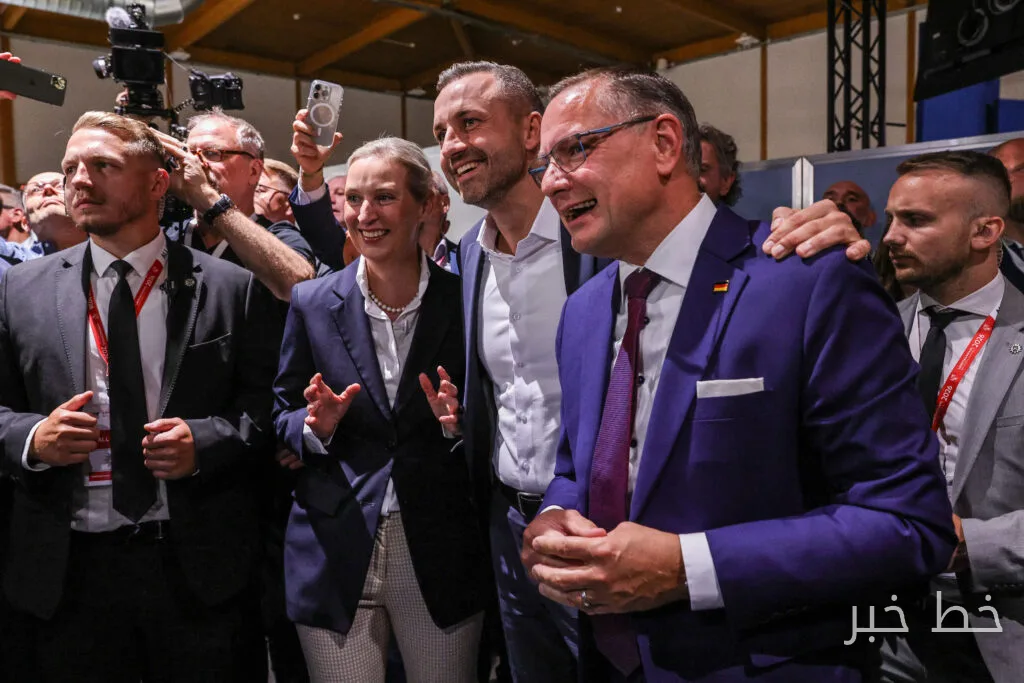
Julich Sigmund, the AfD's main candidate in Saxony-Anhalt, has been described as "the most dangerous man in Germany." However, during the campaign, he presented a different image of himself. With a constant smile, politeness, friendliness, and taking selfies with voters, he managed to attract attention. This approach has helped the AfD garner more votes.
Future Predictions
German-British historian Katja Hoyer believes that the success of the AfD will not be limited to Germany, and other right-wing parties in Europe can also take inspiration from this approach. She points out that in the recent elections, public opinion has leaned towards parties with clearer and more transparent views, which could benefit the right-wingers.
In the summer of 2024, European Commission President Ursula von der Leyen stated that "the center is holding." However, recent elections suggest that Europe may be further from the peak of populism than many moderates had hoped. Italian political scientist Marco Tarchi says that political narratives can not only influence voter behavior but also that it is important for these narratives to focus on significant issues that voters consider important.
In her new book titled "Weimar," Hoyer examines Germany between the two world wars and the rise of the Nazis. Despite rejecting comparisons to the current era with the 1920s, she acknowledges some similarities and is concerned that voters may not be looking for solutions from centrist parties.
She emphasizes that voters worried about the future are looking for parties that offer a bright vision, while the AfD and some other right-wing populists say, "We will do X, Y, and Z." These promises do not even need to be real; people just want to feel that someone has a plan for the future.
Read more: Macron invites European leaders to Pope Leo's speech · Laura Ingraham: Some Republicans will be satisfied with losing the congressional majority