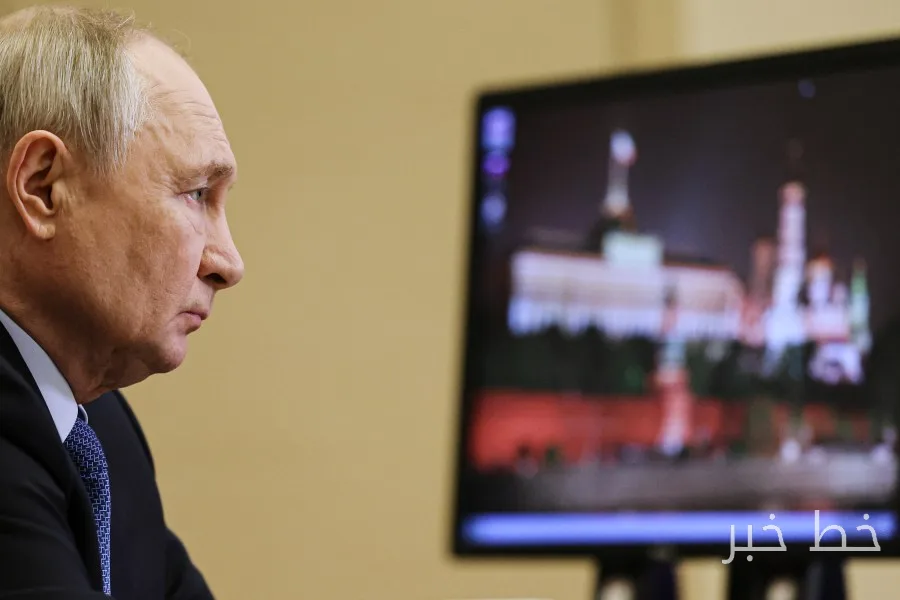
Increasing tensions in Europe, especially with the approach of winter, have raised concerns about the possibility of a Russian attack on the Baltic states. Vladimir Putin, the President of Russia, may seek his only path to victory in the Ukraine war through these neighboring countries. While Ukraine continues to fiercely defend the Donbas region, it has become a stronghold against Russian forces.
Donbas and Its Challenges for Russia
The Donbas region in eastern Ukraine, which includes the two self-proclaimed republics of Donetsk and Luhansk, has been particularly resilient against Russian attacks, and it seems that Moscow's efforts to dominate this area are facing serious obstacles. This situation could increase pressure on Putin to seek alternative options, including attacking the Baltic states.
Read more: Xi Jinping has arrived in the United States for an official visit
International Concerns and Responses
Meanwhile, the Baltic states, including Estonia, Latvia, and Lithuania, are extremely worried and continue to strengthen their military forces and defense cooperation with NATO. These countries were among the first Western nations to provide military assistance to Ukraine and are now working hard to defend themselves. International reactions to Russia's movements reflect deep global concerns.
As the Russian elections approach and possible changes in the country's domestic policy arise, it seems that Putin may be looking for ways to strengthen his position. This could include increasing military activities in neighboring areas.
While military developments in Ukraine continue, European countries must pay attention to these issues and seek diplomatic and military solutions to counter external threats. This new situation poses a serious challenge to security and stability on the European continent and requires closer cooperation between regional countries and NATO.
Read more: North Korea tested guided missiles capable of reaching Seoul · Zelensky announced that Ukraine transferred two North Korean soldiers to South Korea