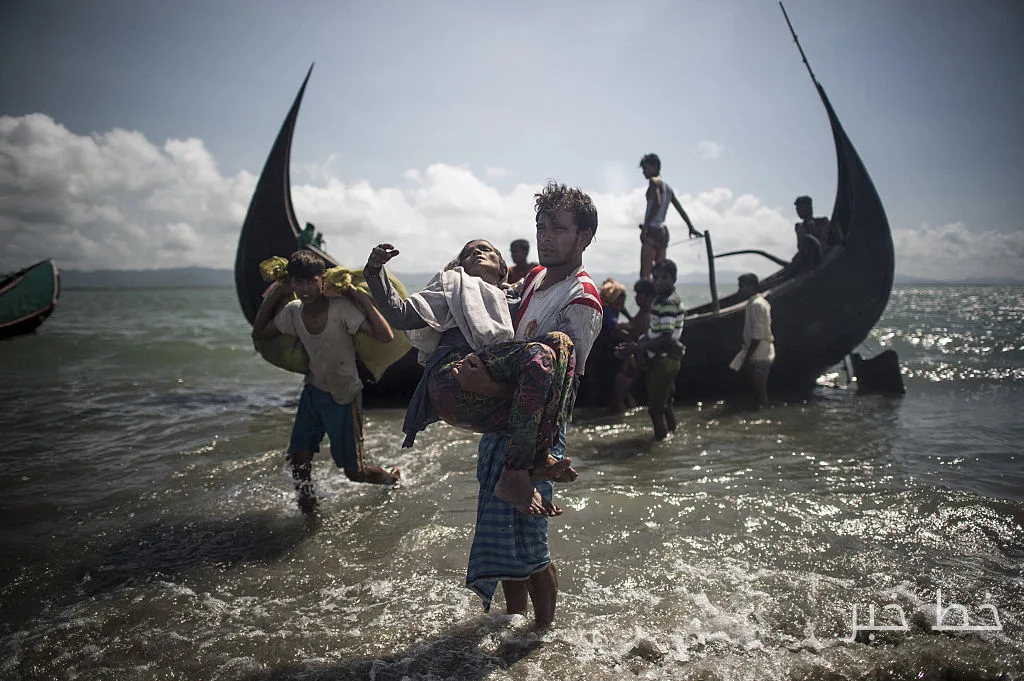
On November 15, 2023, the International Court of Justice issued a ruling holding Myanmar responsible for committing genocide against the Rohingya minority in Rakhine State in 2017. This ruling marks the first time the court has directly held a state accountable for violating the 1948 Genocide Convention, and it is expected to have important repercussions for international law and future genocide cases in this court.
Background and Reasons for the Complaint
In early 2019, Abubakar Tambadou, the Attorney General of Gambia, was moved by the harrowing testimonies of Rohingya survivors after visiting a refugee camp in Bangladesh. Recalling the crimes committed in Rwanda as a prosecutor, he concluded that serious action needed to be taken in this regard. Accordingly, Gambia filed a complaint with the International Court of Justice in November 2019, seeking to examine Myanmar's responsibility under the Genocide Convention.
The Court's Ruling and Its Implications
The recent ruling of the court was issued following the examination of various evidence and documentation, including testimonies from survivors and investigations by the United Nations. The court, by a vote of 9 to 6, rejected Myanmar's claim that their military actions were justifiable as an anti-terrorism operation, emphasizing that the evidence indicated an intent to commit genocide against the Rohingya. This ruling clearly shows that the actions of Myanmar's military were carried out not only as part of a military operation but as part of a coordinated campaign to destroy a specific ethnic group.
The Rohingya, who are considered a Muslim minority in Myanmar, have faced years of restrictions on access to education, healthcare, and freedom of movement. The Myanmar government has labeled them as "illegal migrants" and conducted military operations in the 1970s and 1990s to expel these individuals to Bangladesh. This situation peaked in the early 2010s, leading to the massacre and displacement of over 700,000 Rohingya in 2017.
The ruling of the International Court of Justice is, in fact, a significant victory for human rights and for those seeking justice for the victims of genocide. This ruling can serve as a model for other countries and international organizations in addressing war crimes and genocide, and it can help hold governments accountable.
Read more: International Court of Justice convicts Myanmar of genocide against Rohingya