The International Criminal Court (ICC) revealed more details on Monday about the arrest warrants for four Taliban leaders. These four individuals are being prosecuted for committing crimes against humanity through the persecution of women, girls, and the LGBTQ+ community in Afghanistan since the Taliban came to power in 2021.
Details of the Arrest Warrants
The arrest warrants were issued in July and September of last year against Hibatullah Akhundzada, the supreme leader of the Taliban, and Abdul Haq Haqqani, the head of the Supreme Court of the country. Additional warrants were also issued against Habibullah Agha, the Minister of Education, and Neda Mohammad Nadeem, the Minister of Higher Education.
Read more: Arrest of a Suspicious Chinese Foreign Agent at Los Angeles Airport
These four individuals are being prosecuted for gender-based persecution of "girls, women, and others who do not conform to the Taliban's policies on gender, gender identity, or expression," as well as for political stances against those considered "allies of girls and women."
Impacts and Reactions
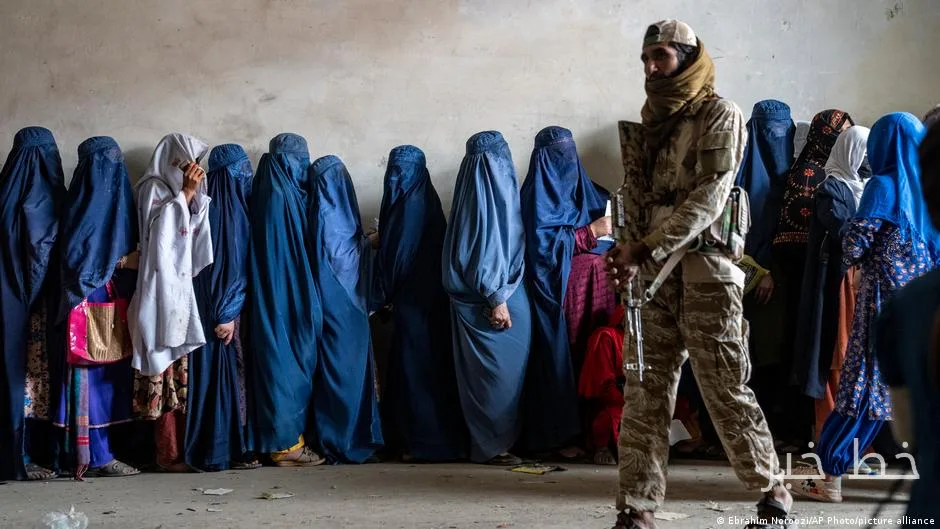
The judges who issued the warrants stated that these four individuals implemented policies that led to "severe violations of the rights and fundamental freedoms of the civilian population of Afghanistan, related to murder, imprisonment, torture, rape, and enforced disappearance." The Taliban have specifically targeted girls and women because of their gender.
The International Criminal Court does not have the jurisdiction to enforce these warrants, but this action is seen as pressure on the ruling authorities in Afghanistan. The Taliban have taken measures to restrict women's access to jobs and education beyond the sixth grade and have barred them from most public spaces.
The spokesperson for the Afghan government has stated that the country does not recognize the court's jurisdiction and has expressed that "we adhere to Islamic Sharia law and its courts, not to intelligence agencies or what are referred to as so-called courts."
The request for warrants for Akhundzada and Haqqani, made last year by Karim Khan, the former prosecutor of the International Criminal Court, claimed that "Afghan women and girls, as well as the LGBTQI+ community, are facing unprecedented and unimaginable harassment by the Taliban." The United Nations Human Rights Council has urged the Taliban to "stop the systematic repression of all women and girls in Afghanistan."
Human rights groups have called for further action from the international community against the Taliban's gender-based policies in Afghanistan.
Read more: Greg Stanton: Epstein Cases Should Be a Top Priority for Democrats · Greg Stanton Does Not View the Use of Flock Cameras as a Tool for Totalitarian Control