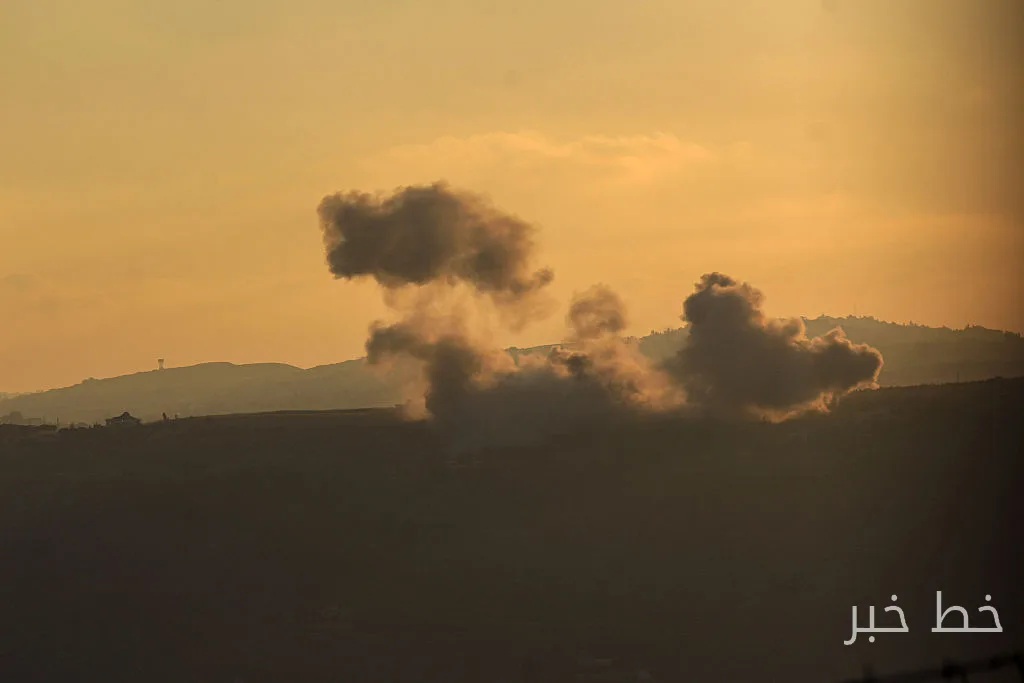
Iran is experiencing significant changes in its sphere of influence in the Middle East. On September 10, Israel destroyed Hezbollah's underground command center and its weapon depots beneath the Ali al-Tahir hills in southern Lebanon. This action deprived Hezbollah of a strong position and dealt another blow to Iran's most important regional ally.
Developments in Yemen and Iran's New Influence
Further south, the Houthis in Yemen have seized new territories along the Red Sea coast, bringing them closer to control of the Bab al-Mandab Strait, where the Red Sea connects to the Gulf of Oman. The fall of Bashar al-Assad in Syria in 2024 and the weakening of Hezbollah have reduced Tehran's influence in the Levant region. However, the broader conflict has created opportunities for Iran and its partners.
Read more: Andy Burnham unveils the slogan of hope again at the workers' conference
Iran is trying to gain control of the Strait of Hormuz, while the Houthis' influence in the Red Sea gives Tehran's partners more power in a strategic waterway. Armed groups aligned with Iran in Iraq could pose a threat to oil pipelines that have been constructed to bypass these chokepoints.
Changes in Iran's Strategy
Iran is under significant military and economic pressures, but its failures in traditional centers of influence have not diminished its ability to impose costs elsewhere. In 2014, Yahya Rahim Safavi, a senior advisor to the then Supreme Leader of Iran, spoke about expanding Iran's influence through Syria and Lebanon, claiming that Iran's "strategic depth" had reached the Mediterranean coast and northern Israel.
However, the foundations of this strategy have been severely weakened. The removal of Bashar al-Assad eliminated one of Iran's few state allies and disrupted its ability to supply weapons to Hezbollah. Israeli operations have also diminished Hezbollah's capacity to retaliate on behalf of Iran.
Iran is adapting. On June 8, Ismail Qaani, the commander of the Quds Force, announced the establishment of a "new security belt" extending from the Strait of Hormuz to Bab al-Mandab. This statement emphasizes the growing focus of Iran and its partners on maritime navigation threats in both waterways.
The Houthis' control of Mocha, a port city on the Red Sea coast, and the island of Perim, located within the Bab al-Mandab Strait, gives them a strong foothold at the southern entrance of the Red Sea. These positions could allow them to closely monitor passing ships and deploy weapons near shipping routes.
The Houthis do not need to completely halt traffic to exert influence over this passage. Despite claiming to target only vessels associated with Saudi Arabia, the threat of attacks alone has increased insurance costs and forced shipping companies to choose longer routes.
Ultimately, the Houthis are increasingly perceiving the U.S.-Israel war with Iran as a threat to the "axis of resistance," leading to a closer strategic relationship. Iran's support for the Houthis has helped develop their military capabilities, and some reports indicate that Tehran has sent commanders from the Revolutionary Guard and military equipment to Yemen.
Read more: The Ministry of Education revoked the interpretation of Title IX for LGBTQ students · Mikhail Ulyanov deemed thinking about a negotiated solution necessary