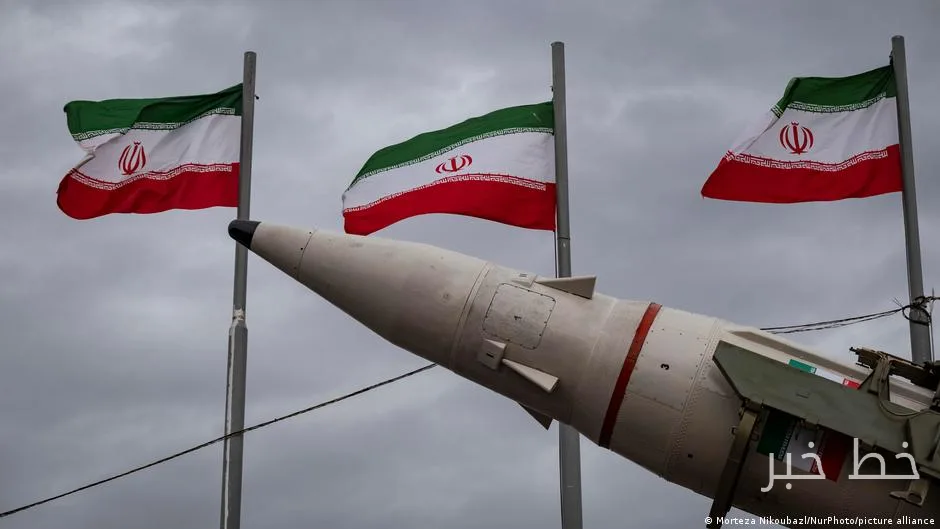
Iran's nuclear program has entered one of the most critical periods in its history. Questions about enriched uranium reserves at 60 percent and the reduction of oversight by the International Atomic Energy Agency (IAEA) over Iran's nuclear facilities have intensified uncertainty. However, signs of diplomacy still exist.
Statements from the President of Iran
The President of Iran, Ebrahim Raisi, stated in an interview that Tehran is ready to dilute its enriched uranium reserves and place its nuclear program under international supervision, provided that a comprehensive agreement is reached within the framework of international law and the Treaty on the Non-Proliferation of Nuclear Weapons (NPT).
Contradiction in Military Officials' Statements
In contrast to Raisi's diplomatic statements, the positions of military and political officials in Tehran point in a different direction. Mohsen Rezaei, Secretary of Iran's Supreme National Security Council, stated that the actions of the United States and Israel have created the conditions for Iran to exit the NPT, while emphasizing that no decision has been made in this regard.
According to a report from the British newspaper Daily Telegraph, Iran is actively constructing new facilities and renovating damaged ones. These facilities include "Taleghan 2" in the Parchin complex and another complex beneath the mountain known as "Hammer Mountain" near the Natanz nuclear facilities.
U.S. Position
The United States maintains a firm stance. Donald Trump, the President of the United States, stated in his speech at the United Nations General Assembly, "I will never allow Iran to obtain a nuclear weapon."
Access to military facilities and the scope of IAEA inspections have been among the controversial issues related to Iran's nuclear program. Criticism of these inspections contributed to the United States' withdrawal from the JCPOA nuclear agreement under Trump's presidency in 2018.
John Bolton, former National Security Advisor of the United States, claimed that diplomatic efforts and previous agreements regarding Iran's nuclear program were merely a cover for Tehran's unchangeable strategy. He believes that Iran's weapons program has never truly stopped.
As Iran seeks changes in its command structure and following the death of Ali Khamenei, the former leader, new questions have arisen regarding the continued validity of the fatwa on the production and storage of nuclear weapons.