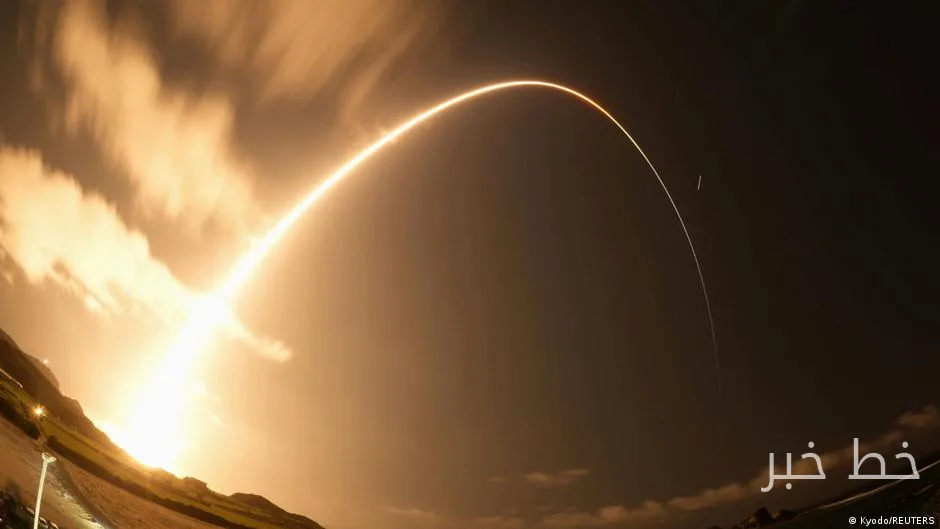
The Japanese spacecraft has recently started its journey towards one of Mars' moons as part of the Martian Moons eXploration (MMX) mission. This mission, which aims to collect samples from the moon Phobos, is designed to uncover the origins of Mars and the solar system.
Beginning of the Space Journey
The MMX spacecraft, which is uncrewed, was launched into space at 4:41 AM local time (19:41 GMT) from the Tanegashima Space Center. The H3 rocket carrying this spacecraft successfully separated from the Earth, and flight controllers at the Japan Aerospace Exploration Agency (JAXA) reacted with joy and excitement to this success. Thousands of people also watched the launch live.
Read more: Europe's investment in the AI revolution in Dublin
About an hour after the launch, JAXA announced that the spacecraft had successfully separated from the rocket and had begun its journey towards the Martian system. Mari Aida, a JAXA scientist, said: "I had dreamed of this day, and now I am very happy."
Mission Goals and Key Dates
The MMX spacecraft is expected to reach Mars in August 2027 and will orbit Phobos, one of Mars' two moons. This mission will also send a Franco-German robot named IDEFIX to the surface of Phobos to conduct surface surveys and ensure the safe landing of the spacecraft. IDEFIX is smaller than a microwave and aims to perform surface observations on Phobos.
After reaching Phobos, MMX will dedicate approximately two hours to collecting at least 10 grams of material from the moon's surface and will also conduct multiple flybys to study Mars' other moon, Deimos. This mission also seeks to investigate the possibility of using Phobos as a "natural space station."
Phobos, which has an irregular, potato-like shape, is about 22 kilometers wide. JAXA hopes that the findings from this mission will help better understand the formation of Mars and its moons and provide key information about creating habitable environments for life on rocky planets close to the sun.
This mission is a collaboration between the space agencies of the United States and Europe, along with several private technology companies. While the space agencies of the United States and China are also working to return the first rock samples from the surface of Mars, the MMX mission could be recognized as the first round trip to the Martian region.
Read more: The U.S. Department of Homeland Security removed DeepSeek products from government systems · Heidi Overton dodged accountability in her confirmation hearing