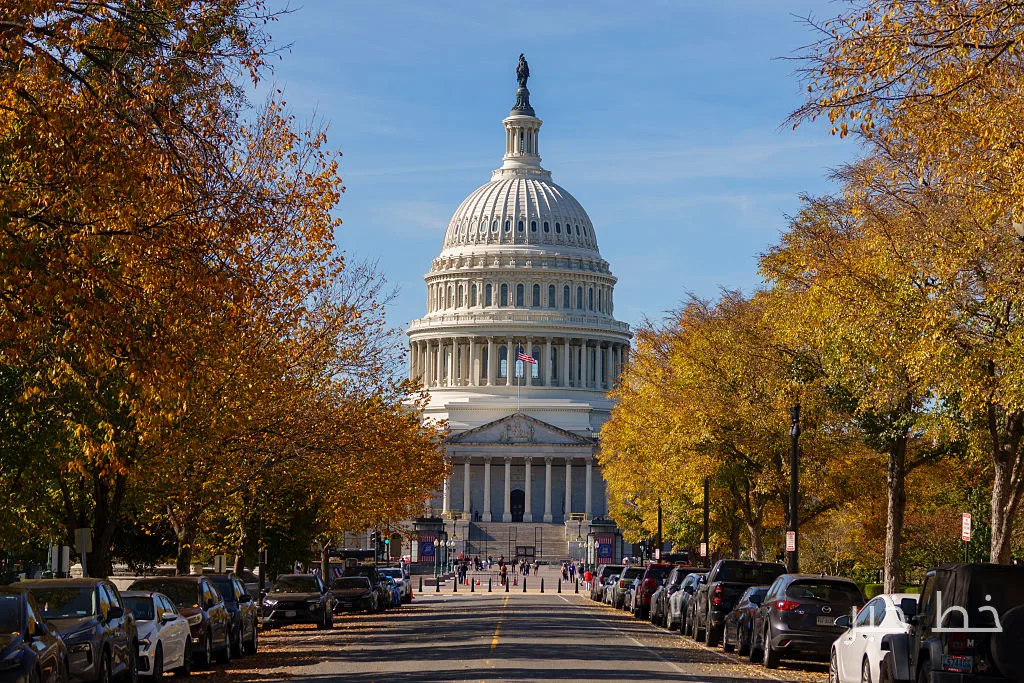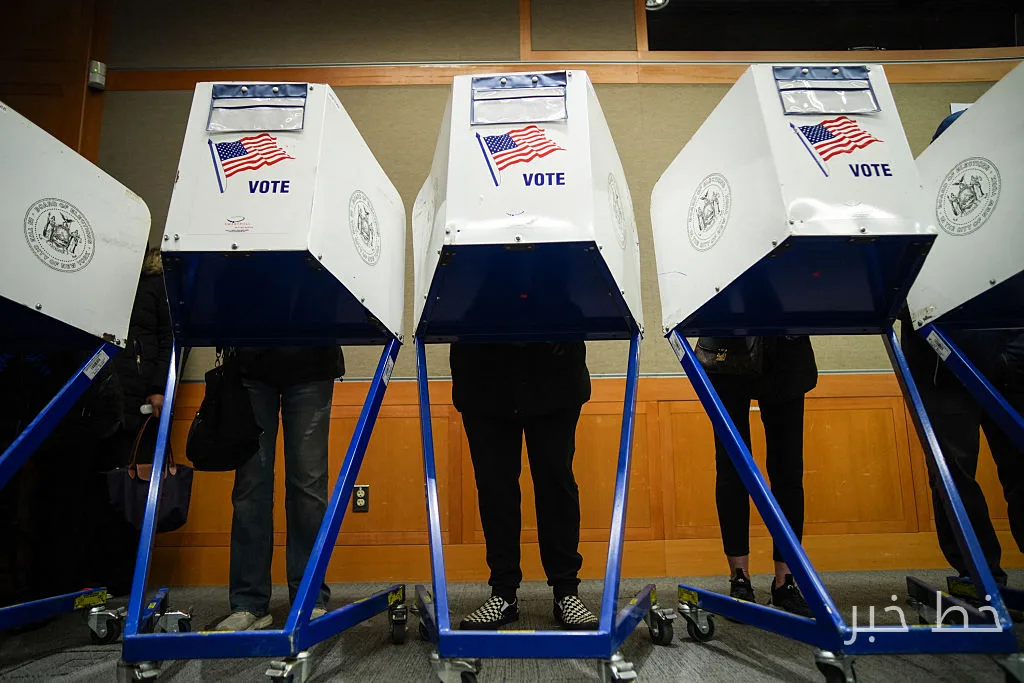
Key climate issues in the U.S. midterm elections are raised while the climate crisis is not a top priority for many voters. In a recent Gallup poll, voters indicated that among 11 issues, the economy, healthcare, and the war in Iran are their main concerns this election season.
Climate Actions and Elections
However, the climate crisis is not ignored in the voting process. The midterm elections are taking place at a time when the United States has faced several rollbacks in climate policies during the first two years of Donald Trump's administration. These include withdrawal from the Paris Agreement and the weakening of some key regulations. Given that Democrats place significantly more importance on climate action than Republicans, many environmental activists hope that if Democrats regain part of the congressional leadership, it could help prevent further rollbacks.
Read more: Arizona becomes the third state to confirm the presence of the new world fruit fly
Elections and Local Policies
On Tuesday, November 3, all 435 seats in the House of Representatives and 35 Senate seats will be determined. Democrats need at least four seats to gain control of the Senate. With a low likelihood of federal climate policies under the Trump administration, it seems that state elections are where most environmental activists are focusing their attention. This is because state-level elections still allow for local climate action, especially if Democrats can achieve a "trifecta" by winning the governorship and majorities in both chambers.
Since Trump took office, several states including California, Virginia, and Colorado have advanced climate policies. A number of climate measures are also on the ballot in several states. In Colorado, Amendment 82 allows voters to decide on the right to buy and sell natural gas. Critics say that if this amendment is passed, it could challenge the state's climate policies.
On the other hand, in Michigan, a ballot amendment hopes to limit the impact of utility companies on political campaigns. Voters in Eugene, Oregon will also be asked to decide whether to impose a tax on large retailers to fund climate resilience projects.
Ultimately, two concerning issues for voters—the war in Iran and the construction of data centers—could create an opportunity for climate-friendly policies such as investing in renewable energy. These crisis moments, when energy is very expensive, can lead to a shift towards renewable energies.
Read more: Carbon dioxide levels in the Earth's atmosphere reached their highest level · Key congressional election results will impact Trump's presidency