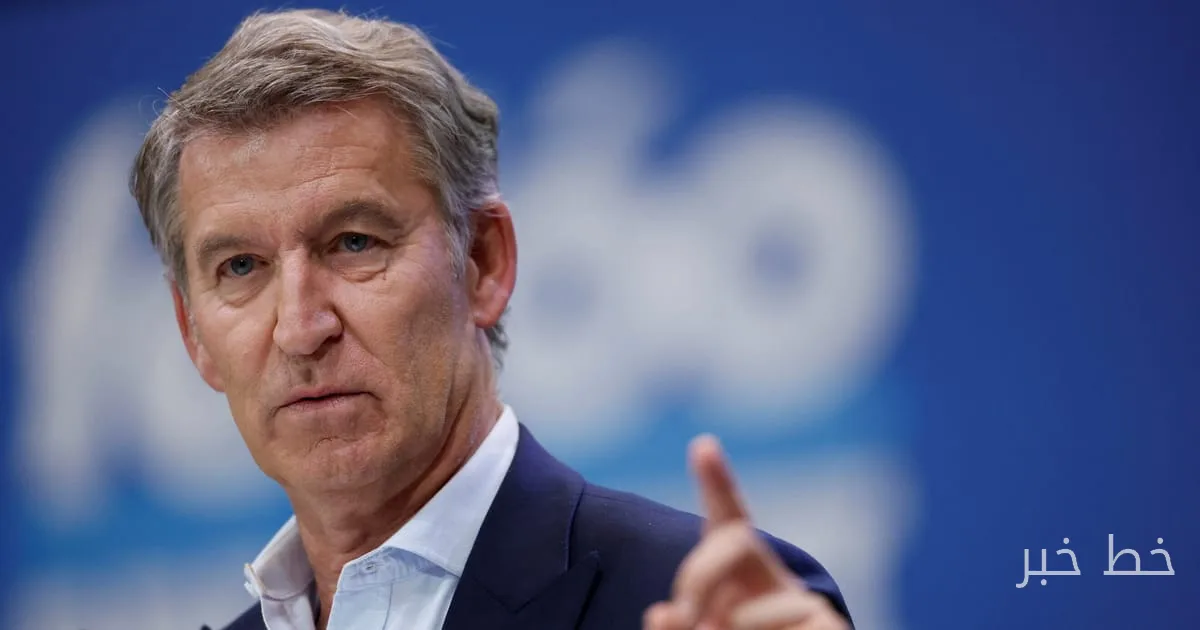
Alberto Núñez Feijóo, leader of the People's Party of Spain, called for the naval deployment to Ceuta on Friday. This request came after reports of a Moroccan patrol boat's presence in the waters of the region on Thursday. In his post on the social media platform X, Feijóo noted that "the repeated incursions by Morocco into Spanish waters are not mere coincidences but a pattern of aggressive behavior that requires a decisive response," urging the government to send the navy to the area.
Increasing Tensions with Morocco
Feijóo also called for the Moroccan ambassador to be summoned and for the Spanish ambassador in Rabat to be recalled for consultations. He emphasized that "Spain is not for sale and must defend itself." These statements come as Feijóo seeks to replace Pedro Sánchez, the Prime Minister of Spain, following the announcement of early elections on November 29.
Read more: Hungarian Parliament Votes to Amend Anti-LGBTQ Laws
Feijóo's calls for a decisive response to the repeated tensions with Morocco have emerged amid increasing criticisms of Sánchez's government following the entry of over 70,000 migrants into Ceuta in late July. Immigration ministers across the European Union have repeatedly called for the adoption of new stringent immigration policies in the EU in recent months.
Unconfirmed Reports and Reactions
Feijóo's remarks also came after unconfirmed reports about the presence of a Moroccan patrol boat in Spanish waters off the coast of Ceuta for several hours on Thursday. The Spanish Civil Guard has denied these reports. It is also reported that Moroccan warships entered Spanish waters in July, although a spokesperson for the European Commission told Spanish media that "it is up to Spanish and Moroccan authorities to clarify the facts."
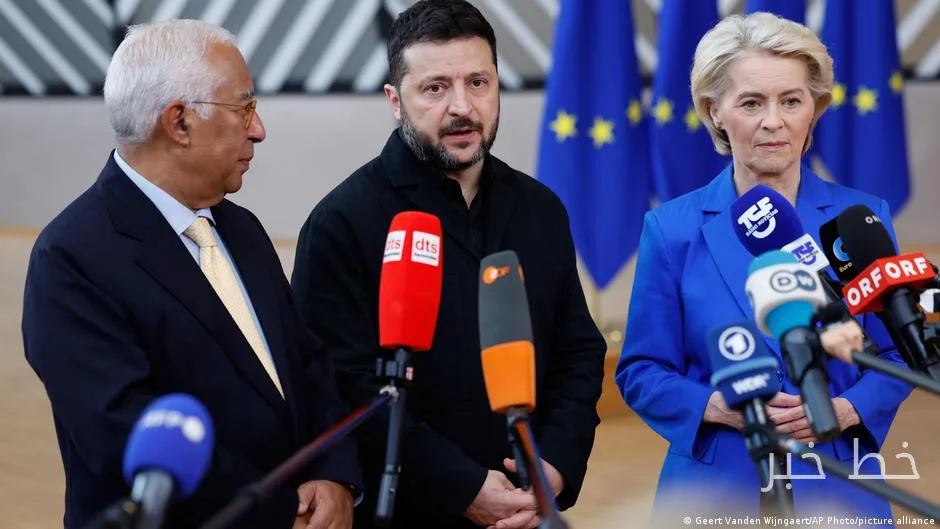
Feijóo also attended a meeting of the European People's Party in Brussels on Thursday, where the European People's Party strongly criticized the Spanish government for the Ceuta crisis. Conservatives have stated that if the government shifts to the right after the early elections, they will take measures to limit immigration.
In an opinion article, Feijóo noted that "Europe must recognize the failure of the Spanish government and exert the necessary pressure to prevent this crisis from becoming a permanent one and expanding." Tensions regarding Ceuta and Melilla, which Morocco considers occupied territories, are rising, and polls indicate that 58% of respondents believe that the likelihood of an armed conflict between Madrid and Rabat in the next decade is "likely."
In a historic visit to these regions this week, King Felipe VI declared that Ceuta and Melilla "are an inseparable part of Spain's political and national reality. The sovereignty and territorial integrity of our country are non-negotiable." The last time a Spanish official visited these regions was in 2007 when former King Juan Carlos I traveled to Ceuta and Melilla.
Read more: Slovakia Resumes Cooperation with Russia · New York Mayor Calls for End to ICE Operations After Shooting