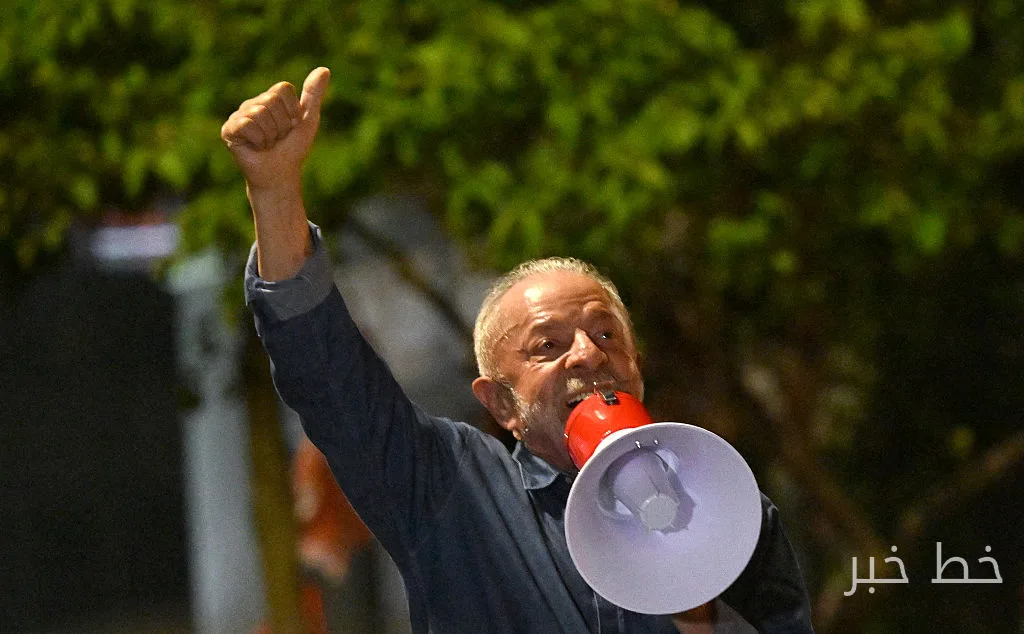
Luiz Inácio Lula da Silva, the President of Brazil, won the election on October 25 by securing 51.79% of the votes, marking his victory and the start of his fourth presidential term. This historic win came with a close margin of nearly 4.4 million votes over his right-wing opponent, Flávio Bolsonaro, and is considered a remarkable comeback for Lula, who was trailing by 2.2 million votes in the first round of the elections.
The Impact of Lula's Victory on Regional Policies
Brazil, as the largest country and economy in Latin America, had become a benchmark for assessing political developments in the region during this election. Lula's victory not only halted the trend of right-wing politics in the area but also dealt a blow to Donald Trump's aspirations for establishing a government aligned with his policies. However, interpreting this outcome as a complete victory for the left may be misguided.
Political and Social Challenges in Brazil
In the first round of the elections, over 33 million Brazilians did not vote, indicating a 21.08% abstention rate, the highest since 1998 in presidential elections. Millions more cast invalid or blank votes. These statistics reflect a larger issue of political distrust among the populace. The high rate of disqualification for both candidates suggests that for many voters, the election was more about preventing the opponent's victory than about choosing a president.
Flávio Bolsonaro, running as a representative of his father, former President Jair Bolsonaro, who has been sentenced to 27 years in prison, won the first round with 2 million more votes than Lula. His promises for his father's pardon and continuation of his political legacy had an impact on Brazil's political landscape. Nevertheless, Lula also faced social discontent and security challenges. While the unemployment rate in Brazil has approached a historic low of 5.3%, social dissatisfaction and security issues persist.
Lula was aware of the issues facing youth and the informal job market during his campaign and sought to connect with young voters through social media and viral content. This effort helped him expand his coalition and attract moderate voters and those concerned about the possibility of Bolsonaro's re-election.
Lula's victory not only signifies his return to the political arena but may also be seen as a sign of larger changes in regional and global policies. However, he faces numerous challenges that he must address to regain public trust and advance the necessary reforms.
Read more: Lula elected President of Brazil for the fourth time