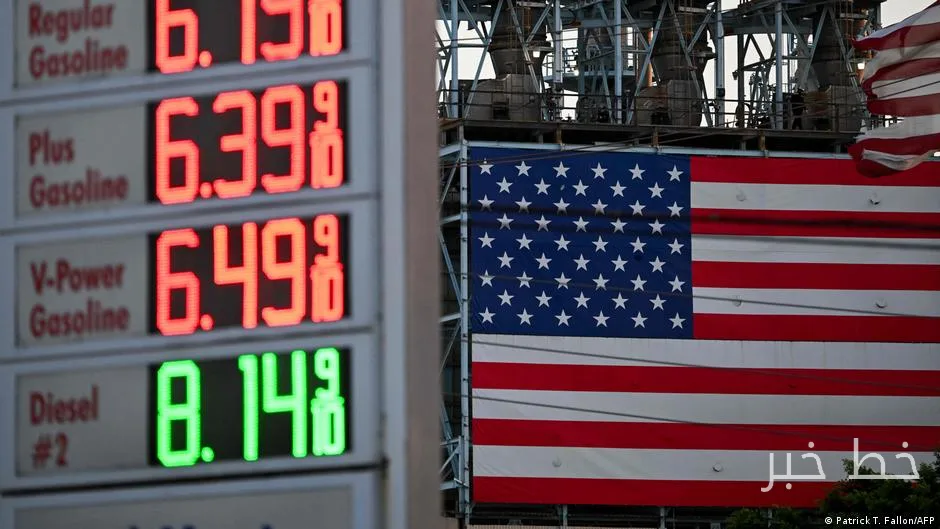
The lobster industry in the state of Maine is facing serious challenges stemming from the trade war and congressional conflicts. Rising costs and other pressures have pushed this legacy industry into an unstable condition. Meanwhile, the conflict with Iran has led to a sharp increase in fuel prices, and as water temperatures rise, lobster fishermen are forced to undertake longer trips to find more lobsters.
Financial and Environmental Challenges
Rising fuel costs directly impact the profitability of fishermen. Additionally, climate change and warming waters cause lobsters to migrate to farther areas, which incurs higher costs for fishermen. This issue not only affects the income of fishermen but also has a broader impact on the Maine lobster industry.
Local officials and fishermen are concerned that if this situation continues, the industry will face serious risks. They say that solutions must be sought to reduce costs and improve working conditions. At the same time, the need for government support and appropriate policies to sustain this industry seems essential.
Consequences of the Trade War
The trade war with Canada and rising tariffs have also affected the Maine lobster industry. Fishermen and traders say that this trade war has led to a decrease in exports and consequently a reduction in revenues. While Canadian producers may benefit from these conditions, Maine fishermen are under severe pressure and need immediate solutions.
It appears that intergovernmental cooperation and financial support are essential to sustain the Maine lobster industry. This industry is not only recognized as a source of income for thousands in the state of Maine but is also considered part of the culture and history of the region. Ultimately, preserving this industry requires immediate attention and action to prevent further risks.