The major oil-producing countries announced in a significant agreement on Sunday that they will maintain their production levels for the month of November. This decision was made as fuel prices continue to rise amid ongoing tensions in the Middle East, particularly the war in Iran.
Agreement of the Seven Oil-Producing Countries
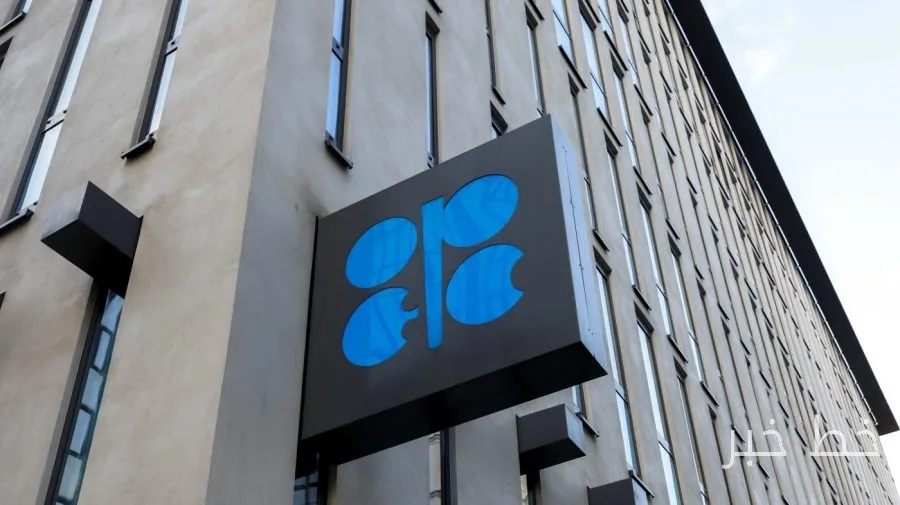
Seven of the world's largest oil exporters, including Algeria, Iraq, Kazakhstan, Kuwait, Oman, Russia, and Saudi Arabia, as members of the "OPEC+" group, decided to continue the production levels set in September. This group has reached agreements aimed at managing oil supply and stabilizing global markets, which can have a significant impact on prices.
Read more: U.S. Energy Secretary Asks Europe to Release One-Third of Its Diesel Reserves
Implications of the OPEC+ Decision
Maintaining production levels under current conditions could benefit oil markets and prevent severe price fluctuations. Given that the oil market is influenced by various factors, including geopolitical tensions and changes in global demand, this action could help create stability in the market. Experts believe that this agreement could be particularly beneficial in situations where fuel prices have risen due to political and economic crises.
The OPEC+ group seeks to maintain balance in oil markets and has worked in recent years to prevent price shocks by regulating production. This recent decision is in line with this goal and demonstrates the determination of producing countries to cooperate in managing the oil market.
Considering the current market situation and various changes in demand and supply, this agreement could help producing countries achieve their economic goals while protecting consumers from sudden price increases.
Read more: G7 to Release 100 Million Barrels of Oil and Oil Products · Diesel Export Ban Increases Prices