The G7 announced on Friday that these countries will release 100 million barrels of oil and petroleum products, including significant amounts of diesel, in the coming months. This action is taking place amid a global fuel shortage attributed to the slow passage of oil through the Strait of Hormuz.
Action to Stabilize Energy Supply
This move has been described as part of "decisive and coordinated actions to stabilize energy supply" as fuel prices have reached their highest levels. High fuel prices are influenced by the war in Iran and escalating conflicts between Russia and Ukraine.
Read more: Trump Administration Believes Russia's Control Over Oil Industry Has Been Lost Due to Ukraine War
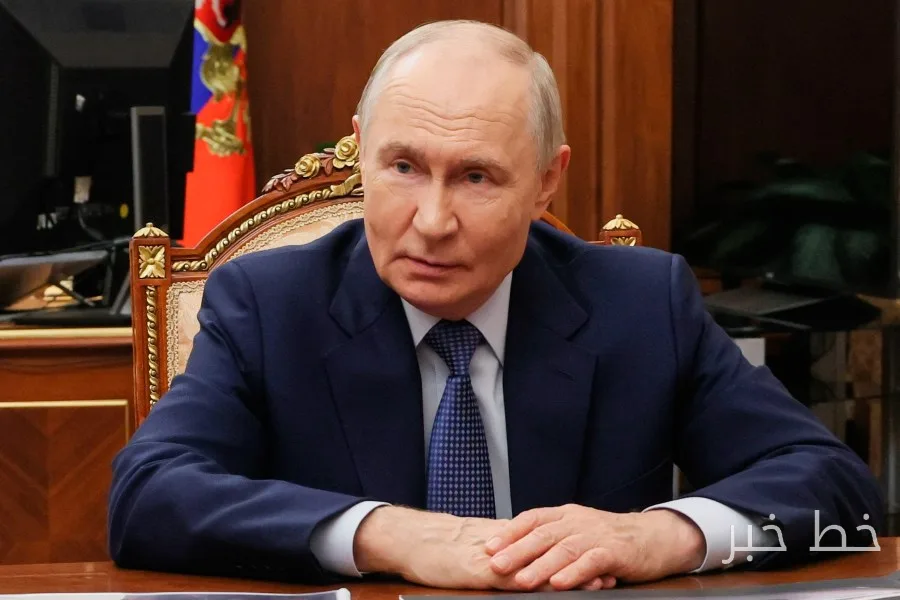
President Donald Trump wrote on Friday on the social media platform Truth Social: "Europe has just agreed to release a large amount of diesel. The process will begin immediately." In prior negotiations, Trump had urged his European partners to release their fuels and had pointed out the high fuel prices for Americans.
Impact on Markets and Consumers
This agreement could provide some relief for Americans, even if the released diesel remains in Europe, as Europe purchases some of its diesel from the United States. The release of European reserves could reduce competition for American diesel and is likely to lower prices for American buyers.
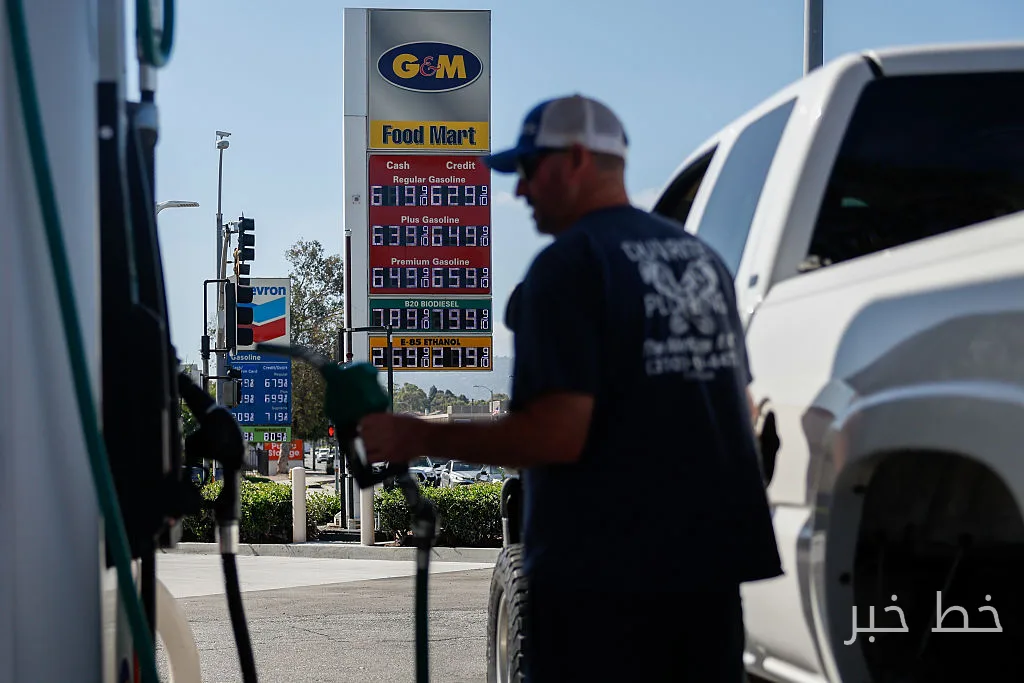
This issue is particularly significant as Brent crude oil prices reached $102 per barrel on October 3, and diesel prices at the pump hit $6.529 per gallon last month. However, the actual relief consumers will see and the speed of it depends on the type of fuel released, the amount, and the timing of its arrival in the market.
Although the G7 has announced how much fuel will be released, it has not specified full details regarding the type of fuel released. However, their statement indicated that diesel release will be significantly carried out in the first 20 days.
The planned release could help alleviate shortages of crude oil and refined fuels, while fuel supply has been disrupted by the wars in Iran and Ukraine.
Read more: U.S. Energy Secretary Urges Europe to Release One-Third of Its Diesel Reserves · G7 Decides to Release 100 Million Barrels of Oil