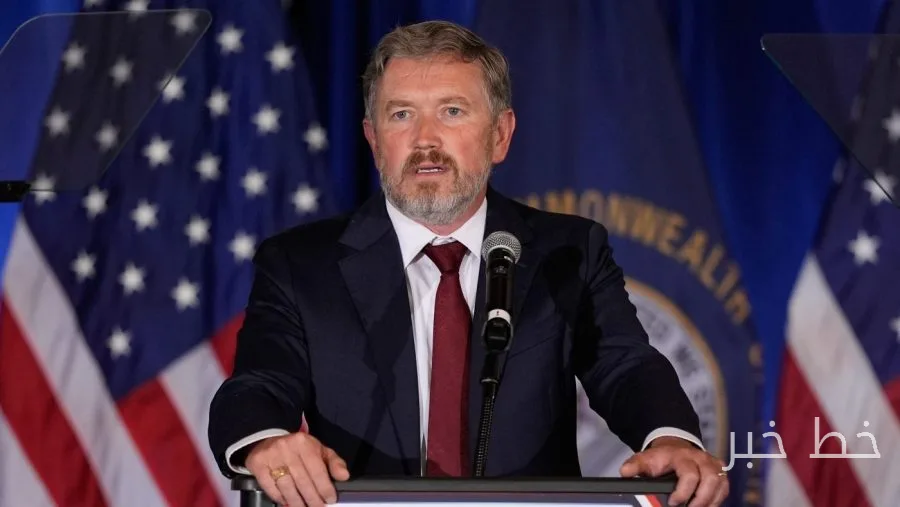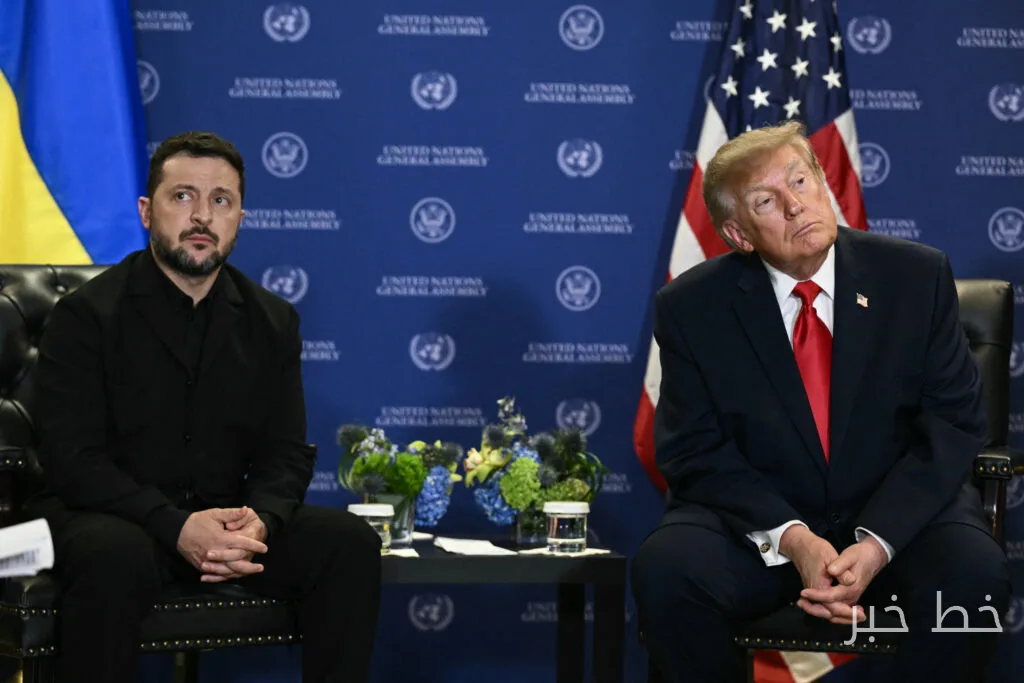
Marco Rubio, the U.S. Secretary of State, referred to the historical confrontations between Iran and Greece in his remarks, presenting this topic as a tool to redefine political disputes among countries. By highlighting the rich history of Iran and Greece, he attempted to create a new image of these confrontations, which can be seen as an effort to justify current U.S. policies.
History and Culture as a Political Tool
Experts believe that using history and culture as a tool for political maneuvering, especially in the realm of cultural diplomacy, is a common method in global politics. In this context, referencing historical confrontations can serve as a strategy to legitimize the political and military positions of countries.
In this regard, the history of Iran, as one of the great civilizations of the world, particularly in confrontation with Greece, has always attracted the attention of politicians. This reflects the historical power and influence of Iran on political and cultural developments globally.
Social and Cultural Consequences
Attention to historical confrontations can have profound impacts not only at the political level but also at the social and cultural levels. This perspective can lead to the creation of national and cultural sensitivities among nations and provoke nationalist sentiments. Consequently, such statements pose potential risks to relations between countries and can lead to increased tensions.
Moreover, in the present era, where globalization and cultural communications are expanding, emphasizing historical confrontations may overlook cultural diversity and international cooperation. For this reason, experts stress the need to reconsider these approaches and believe that cultural diplomacy should be based on respect and constructive dialogue among nations.
Read more: Trump Accuses China and Russia of Supporting Iran