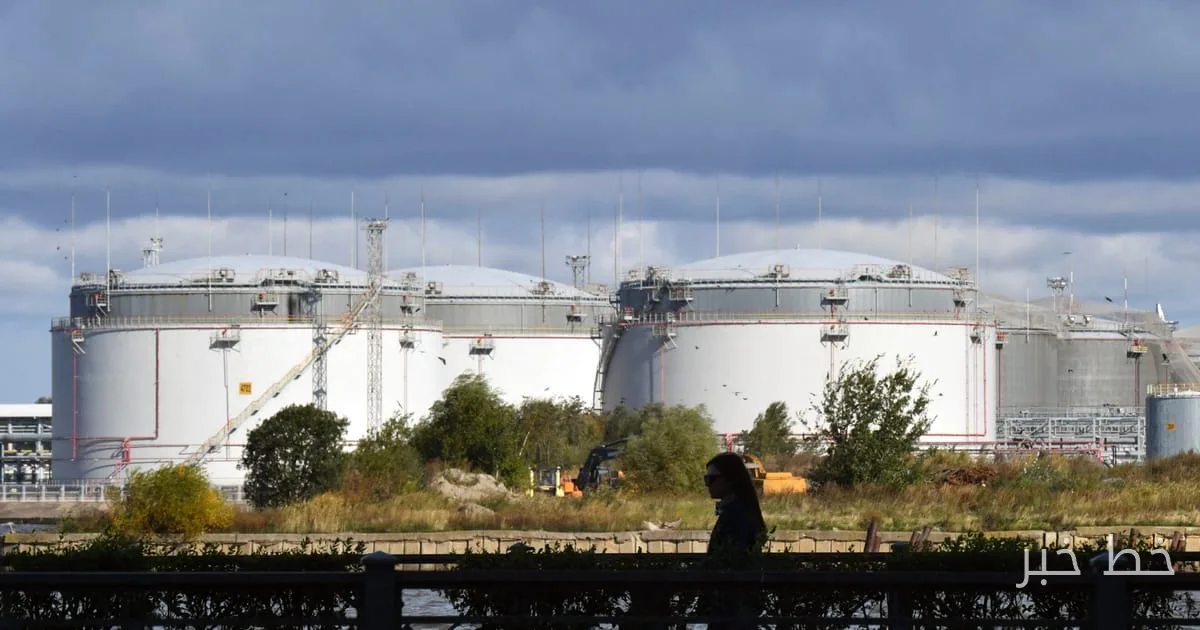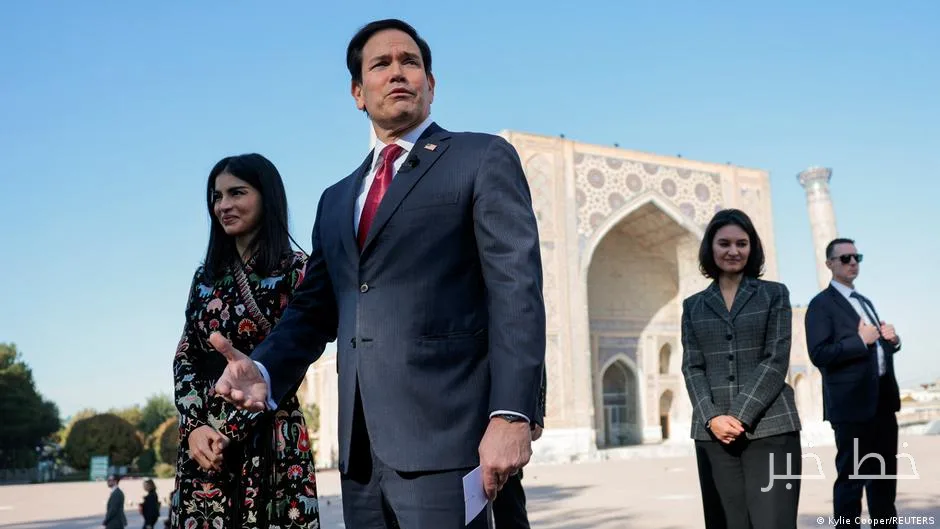
Marco Rubio, the U.S. Secretary of State, began a three-day trip to India on Monday in the financial hub of Mumbai and will then head to Jamnagar, home to the world's largest oil refinery owned by Reliance Industries.
Purpose of the Trip and Trade Challenges
Rubio's business trip takes place amid stalled trade negotiations between the United States and India due to ongoing uncertainties regarding U.S. sanctions on India's oil purchases from Russia. Reliance is one of the largest buyers of Venezuelan oil, and the mentioned refinery has the capacity to process 1.4 million barrels of crude oil per day.
Texas Refinery Project and Trade Tensions
In March, Washington announced plans to build a new oil refinery in Texas, with support from Reliance. Former U.S. President Donald Trump estimated the value of this project at $300 billion and described it as a way to reduce the U.S. trade deficit with India. The progress and conditions of this project will be closely monitored.
After the start of Trump's second presidential term in 2025, he has repeatedly commented on the threat of tariffs with India. In February 2026, Trump announced a "trade agreement" that reduced U.S. tariffs on Indian goods, provided that India lowers trade barriers and stops purchasing Russian oil. However, this has never been confirmed by New Delhi.
A Difficult Era for India-U.S. Relations
In mid-September, Trump signed the "Russia and Iran Sanctions Act," which imposes 100% tariffs on the largest buyers of Russian oil and gas, including India. However, last week, just days before this law was set to take effect, Trump signed an executive order to suspend the sanctions.
Before traveling to India, Rubio attended a meeting in Uzbekistan for the "C5+1" diplomatic platform, which includes the United States and five Central Asian countries. He announced at the sidelines of this meeting that trade negotiations with India are ongoing in light of the sanctions exemptions.
Analysts believe that Rubio's decision not to travel to New Delhi and focus on Mumbai and Jamnagar is not a diplomatic disrespect, but rather that this refinery holds greater international significance at the moment.