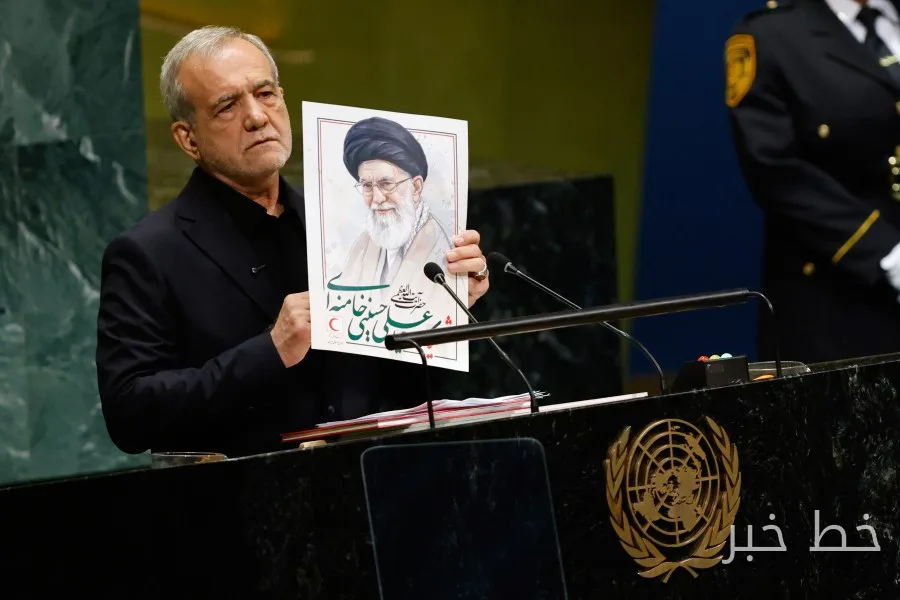
Masoud Pezeshkian, in his recent speech at the United Nations, as a representative of the Islamic Republic of Iran, expressed views that reflect the prevailing ideology of this country. He attempted to portray an image of a country under pressure by using a repetitive narrative of Iran's victimhood on the global stage. Meanwhile, the Islamic Republic, as a political system in Iran, actually operates beyond a national government.
Ideology of the Islamic Republic and the History of Iran
Pezeshkian emphasized in his remarks that the Islamic Republic is not the true representative of Iran. Instead of referring to Iran's rich history and millennia-old culture, he addressed the Khomeinist ideology and the religious nature of the existing regime. This ideology has effectively transformed into a Shia-centered government that operates based on its specific principles, overshadowing Iran's national history and culture.
Consequences of Pezeshkian's Speech
Pezeshkian's speech at the United Nations could have significant consequences. On one hand, such speeches can help reinforce the image of victimhood and oppression of the Islamic Republic in international forums. On the other hand, this approach may somewhat ignore the internal and international realities that the Islamic Republic faces. Many experts believe that these types of speeches, rather than providing solutions to the country's problems, will only contribute to the continuation of the status quo.
Ultimately, Masoud Pezeshkian's speech at the United Nations not only represents the positions of the Islamic Republic but also reflects the challenges this regime faces in confronting domestic and international criticisms. Given the current circumstances, it is essential for the global community to pay more attention to the various dimensions of this ideology and its impacts on the people of Iran.
Read more: Ted Cruz criticized right-wing socialism · The Trump administration threatened to destroy Iran