German and Chinese business leaders met last week in the city of Düsseldorf, Germany, to discuss economic issues. While this panel focused on trade and investment between China and Europe, the ongoing competition between the US and China was raised as an important and undeniable topic in these discussions.
Expectations from the Meeting between Trump and Xi Jinping
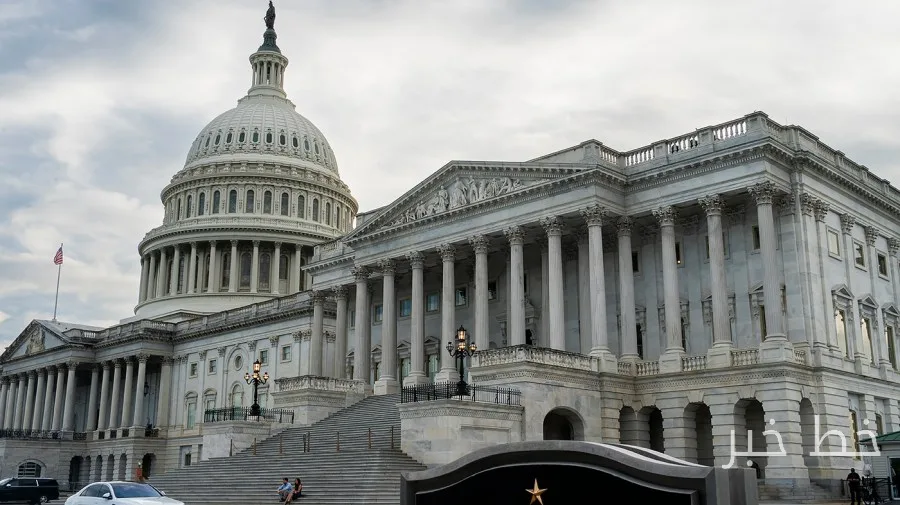
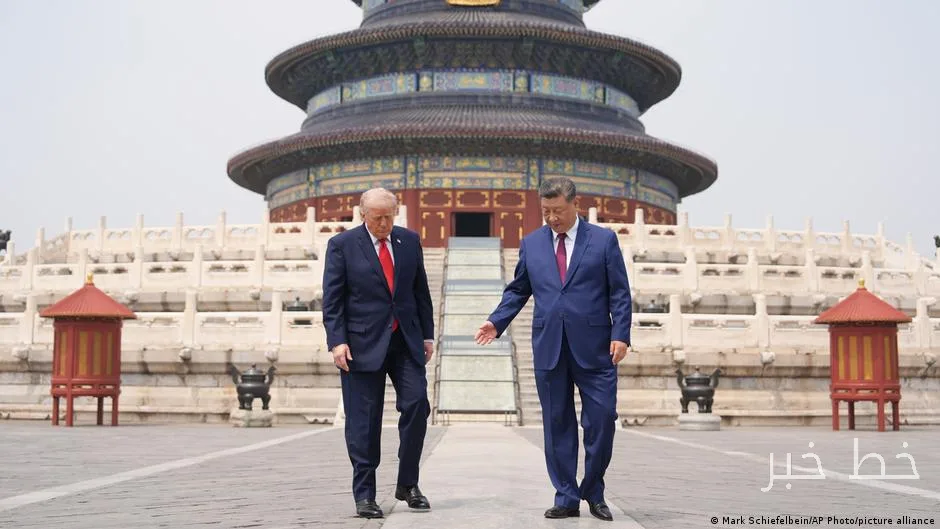
Xi Jinping and Donald Trump will meet this week in the US capital, Washington. There are some hopes that these negotiations may lead to a reduction in the trade war tensions initiated by the US President. The last meeting between the two leaders in Beijing in May did not yield tangible results.
Miko Huotari, director of the MERICS think tank in Berlin, stated in a briefing session: "The perception that China and the US will contain each other for the foreseeable future exists in Beijing. Xi is not looking for a breakthrough in Washington; he needs more time, and this is also true for Washington. Therefore, we are facing a strategic stalemate that better describes the current situation."
Technological Competition and Economic Challenges
An agreement in this regard could help Trump’s Republican Party ahead of the important midterm elections in the US in November, but the outcome remains uncertain. Trump commented on Xi's visit to the White House, saying: "We will discuss everything."
The competition between China and the US is taking place on various levels, and none of these competitions is as sensitive as the competition in the field of artificial intelligence (AI). The US government has banned the export of high-performance chips to China, and Beijing has also restricted the export of rare elements essential for semiconductor production. Amid concerns about the risks of uncontrolled AI, it is expected that Xi and Trump will discuss AI frameworks in their negotiations.
After meeting with Li Heifeng, China's Vice Premier in New York, Scott Basset, the US Treasury Secretary, stated that American and Chinese officials had previously discussed creating an "information-sharing mechanism" for sharing information related to security incidents involving AI.
Economic Challenges for Europe
From a European perspective, both China and the US are currently recognized as difficult partners. Ursula von der Leyen, President of the European Commission, stated in her speech at the annual EU summit in 2026: "The second shock from China is currently occurring in Europe." The first shock began 25 years ago with China's accession to the World Trade Organization, leading to an influx of cheap "made in China" products into global markets.
The second shock is due to China's technological advancements in industries such as battery technology, green energy, and transportation. Von der Leyen emphasized: "This is evident in communities and factories across our Union and leads to a decline in industrialization at the heart of industrial Europe. This situation is not sustainable." The European Union is seeking a rapid transition to electric transportation and aims to significantly reduce CO2 emissions from road traffic.
At the same time, Brussels is calling for additional tariffs on low-cost electric vehicles from China, as China has competitive advantages with cheaper cars and higher government subsidies. China has denied any unfair advantages, and German automakers, including VW and BMW, are also opposed to punitive tariffs due to the potential damages from China's retaliatory actions.
Ultimately, in light of the intensifying strategic competition between the US and China, the US is continuously urging its allies to tighten restrictions on China in the fields of technology, supply chains, and security.