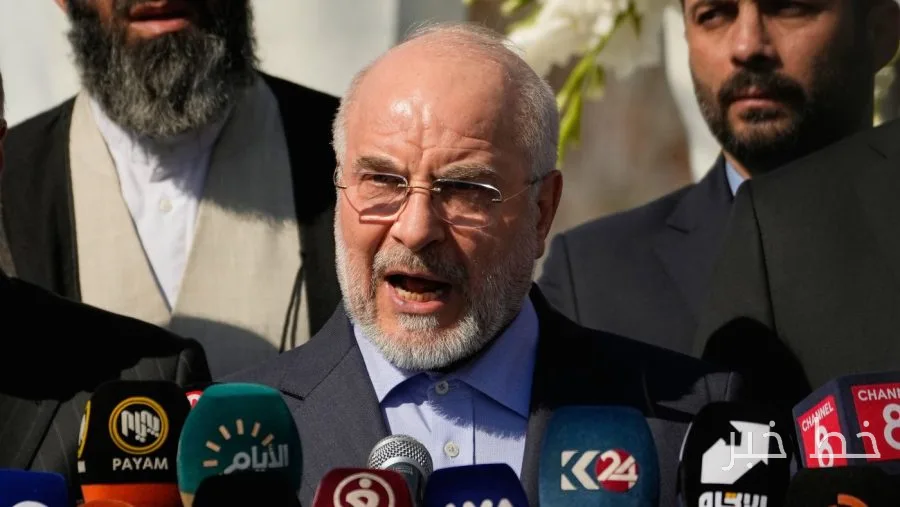
Mohammad Baqer Qalibaf, Iran's chief negotiator, stated that it is the United States that must prevent a return to full-scale war. These remarks came after Tehran gave a firm response to Washington's requests concerning nuclear weapons and the security of the Strait of Hormuz.
Iran's Firm Response
Qalibaf did not provide further details about Iran's response during a press conference, but emphasized that it was given in a "strong and logical" manner. He pointed out that Iran pays special attention to issues such as nuclear weapons and the security of the Persian Gulf in its negotiations with the United States.
Read more: Melania Trump Hosts Ukrainian and Russian Representatives at the White House
Possible Consequences
Given the existing tensions between Iran and the United States, there is a possibility of increased tensions in the Persian Gulf. Qalibaf highlighted the importance of the Strait of Hormuz as a vital route for oil transportation and stressed the need for international cooperation to maintain security in the region. He also addressed Iran's concerns regarding potential threats.
In this context, it is important for the United States to pay attention to its promises regarding not returning to war. Qalibaf emphasized that Iran is ready to continue talks, but these discussions must be based on mutual respect and non-threat.
International Reactions
International reactions to Qalibaf's statements reflect the significance of the issue. Many analysts believe that these remarks could impact the course of nuclear negotiations. Some regional countries have also expressed their concerns about increasing tensions in the Persian Gulf.
Overall, Mohammad Baqer Qalibaf's statements reflect Iran's concerns about U.S. actions and the necessity of maintaining security in the region. This issue could emerge as one of the main challenges in Iran-U.S. relations.
Read more: New York Attorney General Examines Voting Scan Issues in Westchester · Ismail Baqai Conditions the Strait of Hormuz on Ending the Blockade