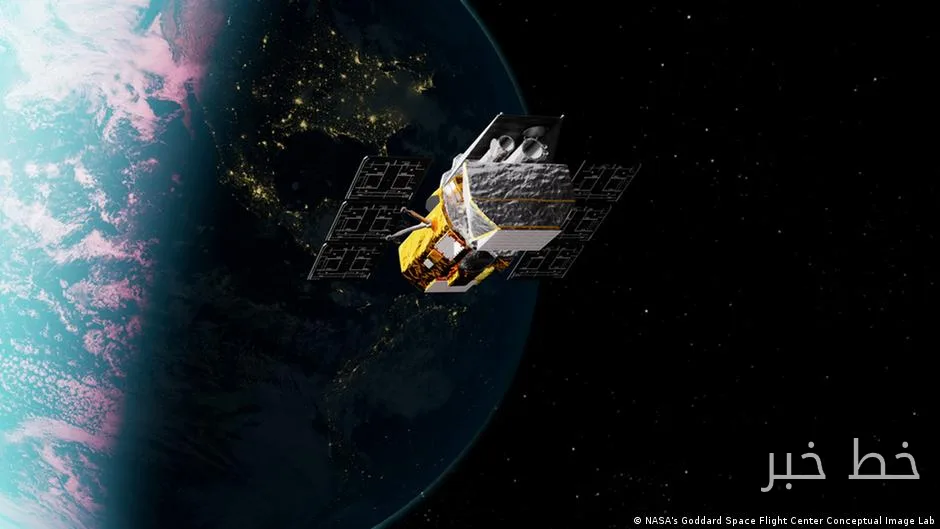
The NASA Swift Space Telescope (Neil Gehrels Swift Observatory), which had been studying cosmic phenomena for 22 years, fell to Earth on Wednesday morning. This telescope, launched into space in 2004, entered the Earth's atmosphere uncontrollably due to problems with the rescue mission and fell in an area of northern Sumatra in Indonesia at 7:39 AM Eastern Time (12:39 PM Coordinated Universal Time).
Details of the Swift Telescope Fall
According to experts, most parts of the Swift telescope burned up upon entering the Earth's atmosphere, but some components are likely to have survived the fall. The Swift telescope, built at a cost of about $500 million, weighed approximately 1,452 kilograms and studied high-energy gamma-ray bursts, black holes, and other cosmic phenomena.
Read more: Republicans Take Control in Ohio and Texas Influenced by AI Data Centers
Experience of the Rescue Mission
In July, NASA, in collaboration with the private company Katalyst Space, launched a rescue mission to increase the altitude of the Swift telescope. This mission included a robotic three-blade spacecraft named LINK. However, this spacecraft soon encountered issues with its status control and could not continue its mission. Ultimately, this spacecraft also fell to Earth in September, and the Swift telescope ceased operations on October 20.
The Swift telescope, as one of the important scientific tools, studied hundreds of supernova explosions, solar black holes, and other significant phenomena in the universe, contributing to the production of nearly 7,000 scientific papers. However, its fall to Earth has raised questions about the safety of such scientific instruments and their potential consequences on the ground.
Currently, no reports of potential damage caused by the fall of the Swift telescope on Earth have been released, and officials are still investigating the situation and consequences of this incident.
Read more: Elon Musk Suffers Heavy Defeat in U.S. Midterm Elections · Google Celebrates World Space Week with Scientific Doubts