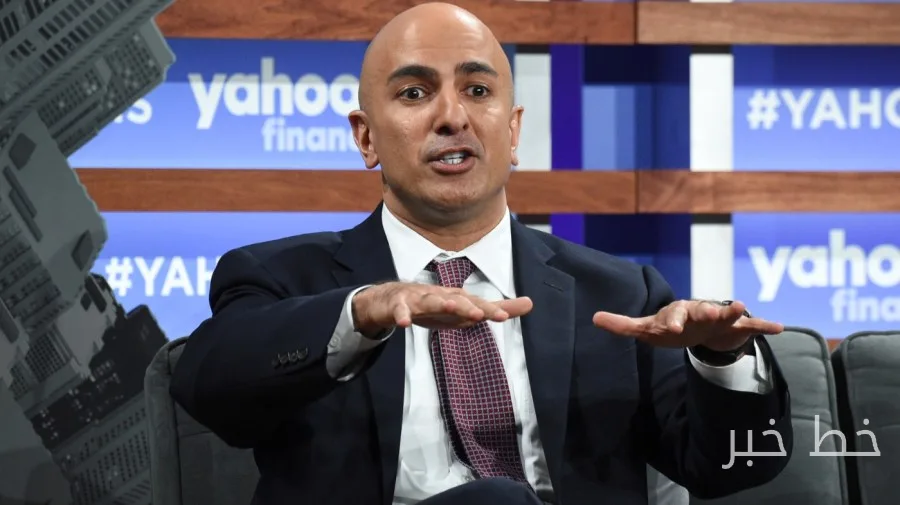
Neel Kashkari, President of the Federal Reserve Bank of Minneapolis, said on Wednesday at a Council on Foreign Relations event that inflation in the United States is still "very high." These remarks came after the release of data from the Bureau of Economic Analysis (BEA) indicating that annual inflation in August was above the central bank's 2 percent target.
Inflation Data and Its Impact on Monetary Policy
Kashkari stated in an interview with Stephen Liesman of CNBC that "inflation is still very high." These comments come at a time when PCE (Personal Consumption Expenditures) data was expected to decline, but the decrease was not sufficient to alleviate existing concerns about inflation. This highlights the challenges facing the Federal Reserve in controlling inflation and maintaining economic stability.
Challenges for the Federal Reserve in Controlling Inflation
Kashkari emphasized that the Federal Reserve must take necessary actions to reduce the inflation rate to its target level. He noted that while recent data may show signs of improvement, it is still too early to draw conclusions. The President of the Federal Reserve Bank of Minneapolis stated that monetary policies should be adjusted to gradually approach the 2 percent inflation target.
Currently, the Federal Reserve is under pressure to control interest rates, as this rate directly affects borrowing costs and ultimately consumer and business behavior. Kashkari, referring to the current labor market situation and unemployment rate, stressed that economic fluctuations could lead to sustained high inflation, necessitating more careful monetary policy-making.
Given Kashkari's statements, it seems that the Federal Reserve will not make significant changes to its policies in the near future. He noted that the central bank must act cautiously and any changes in interest rates should be made based on economic and inflation data.
Read more: Economists View Wealth Tax as a Solution to Political and Financial Problems