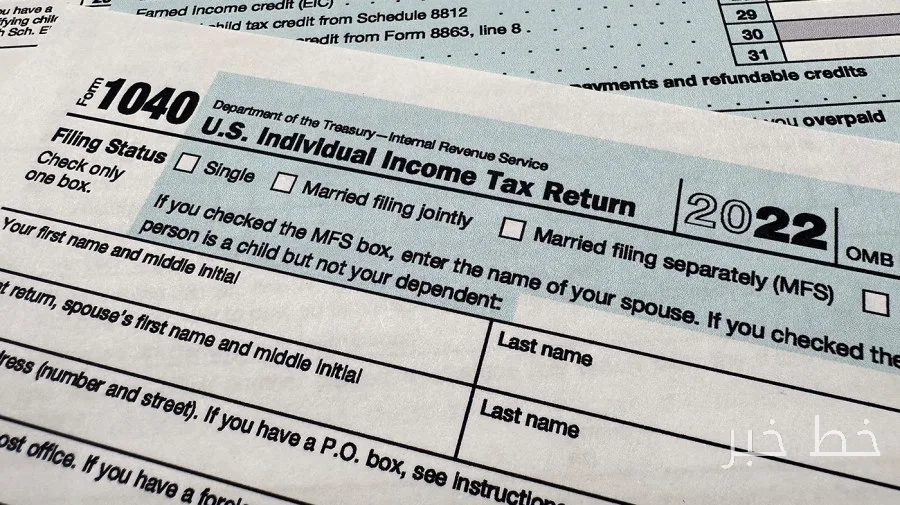
The new tax table of the Internal Revenue Service (IRS) for 2027 may see some changes. These changes aim to prevent a phenomenon known as 'bracket creep,' where individuals are pushed into higher tax brackets due to income increases, even if their purchasing power does not change.
Bracket Creep Phenomenon
Bracket creep refers to a situation where inflation continuously increases individuals' incomes, pushing them into higher tax brackets. As a result, individuals are forced to pay a larger percentage of their income in taxes without actually having more wealth than before.
For this reason, the IRS is considering changes to its tax table to mitigate this issue and ensure that taxpayers are not adversely affected by inflation. These changes are likely to include raising tax thresholds and adjusting tax rates for different brackets.
Details of Possible Changes
The exact details of these changes have not yet been released, but it is expected that the IRS will update tax rates for various brackets. These updates are particularly important for individuals in the middle and lower tax brackets, as they may experience less tax burden.
Changes in the tax table can have significant impacts on people's financial lives. For example, individuals currently in higher tax brackets may be able to retain more of their income due to these changes, resulting in an improvement in their quality of life.
Economic Implications
These changes could also have broader economic implications. Reducing income taxes could lead to increased consumer spending, which in turn could boost economic growth. Additionally, these changes may affect individuals' investment and savings decisions, as people may be more inclined to invest in the market.
Ultimately, changes in the IRS tax table for 2027 could provide an opportunity to reassess tax policies and their impacts on people's lives. These changes would not only benefit taxpayers but could also contribute to improving the overall economic situation of the country.