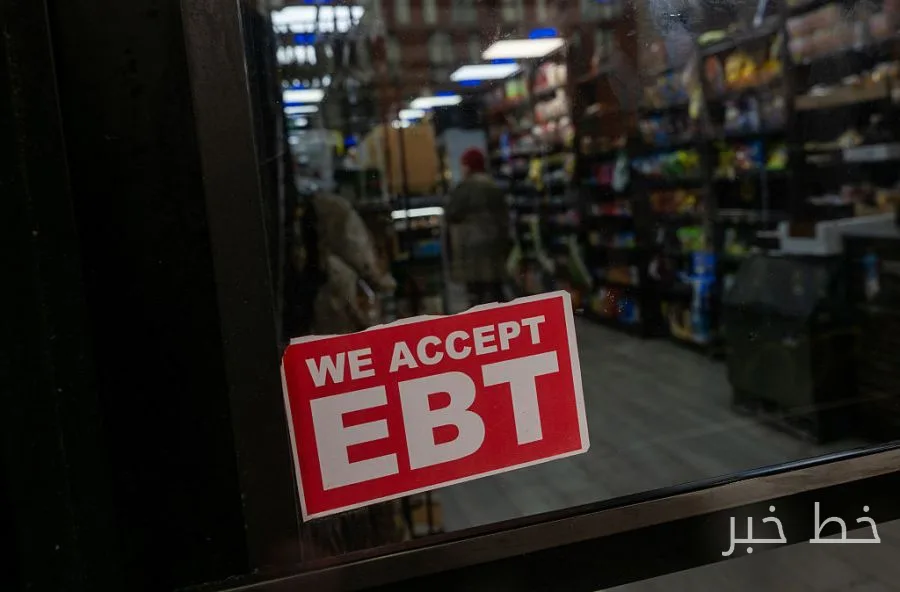
This month, Congress has introduced a proposal that is set to impose more restrictions on the benefits of the SNAP (Supplemental Nutrition Assistance Program) in 9 states. This law aims to reduce food choices for recipients of these benefits and has faced various reactions from human rights activists and economists.
New Restrictions and Their Impacts
According to this proposal, SNAP recipients may face new limitations regarding the types of foods they can purchase with their benefits. These restrictions could include the removal of certain food items from the eligible purchase list, raising concerns about their impact on the health and nutrition of families.
Critics of this proposal argue that these measures not only lead to the deprivation of needy individuals but could also increase social and economic inequalities in vulnerable communities. Meanwhile, supporters of the proposal claim that its goal is to improve public health and reduce public spending. But will these restrictions truly benefit society?
Experiences from Other Countries and Their Lessons
Some countries have previously implemented similar restrictions, and their results have shown that these limitations usually have negative consequences for recipients. For instance, in some cases, individuals have been forced to choose cheap and low-quality foods that harm their health. In this context, is Congress adequately responding to the real needs of the community?
Although this proposal is still in the early stages of review, concerns about its consequences on the lives of millions have already begun. It seems that this new law could become one of the most controversial social issues in the near future.