The U.S. government has recently relaxed fuel efficiency regulations under the banner of "freedom for cheaper cars." This move, aimed at reducing car prices, could increase driving costs and raise carbon emissions.
Economic Impacts
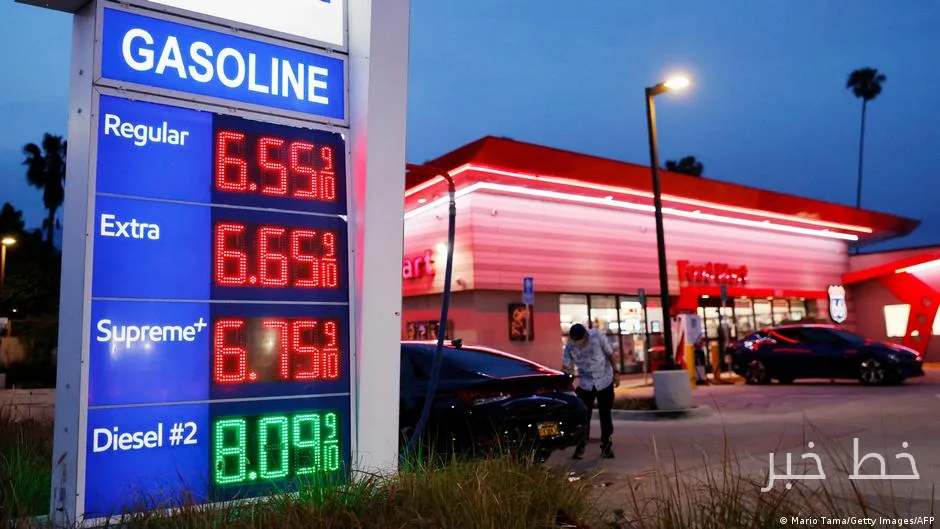
The U.S. Department of Transportation has announced that American taxpayers will save $138 billion over the next five years, and car prices will be, on average, $1,300 cheaper. Meanwhile, automakers will no longer need to invest in fleets with higher fuel efficiency. However, rising fuel prices due to Middle Eastern conflicts could negate these savings.
Environmental Outcomes
According to the new regulations, vehicle fleets will only need to achieve an average fuel efficiency of 35 miles per gallon (14.7 kilometers per liter) by 2031, which is a one-third reduction from 50 miles per gallon. This contrasts with the fuel efficiency regulations approved by the Biden administration in 2024, which aimed to encourage the production of low-carbon electric and hybrid vehicles. Projections indicated that these standards could have saved 70 billion gallons of fuel over 25 years.
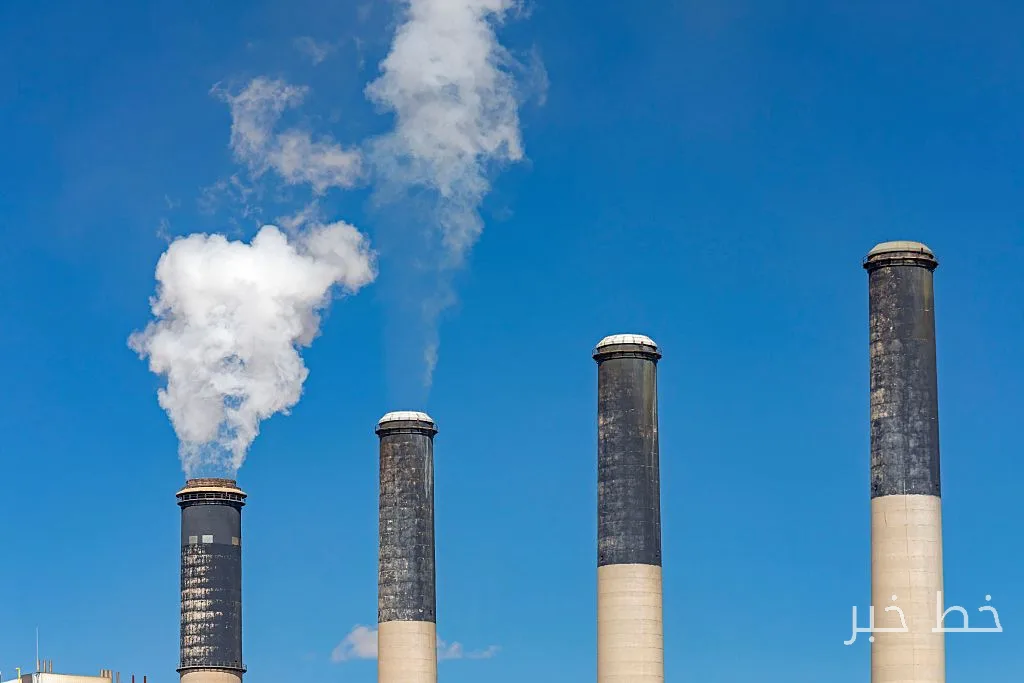
Environmental advocacy groups have also warned that relaxing these regulations could lead to an increase of 710 million tons of carbon dioxide by 2050. This could have negative effects on the U.S. climate goals, as transportation accounts for nearly 28 percent of the country's greenhouse gas emissions.
Experts also believe that these changes send a signal to automakers that the U.S. is trying to maximize oil consumption, thereby harming climate goals. At the same time, electric vehicle sales have sharply declined, and automakers are resisting new regulations due to a lack of demand.
However, some experts argue that the relaxation of U.S. fuel efficiency standards may create temporary barriers but cannot stop the transition to electric vehicles. Lower driving costs with electric vehicles make this option a clear economic choice.
Read more: Swiss Alps Glaciers Lost More Than 5 Percent of Their Ice Volume in 2026