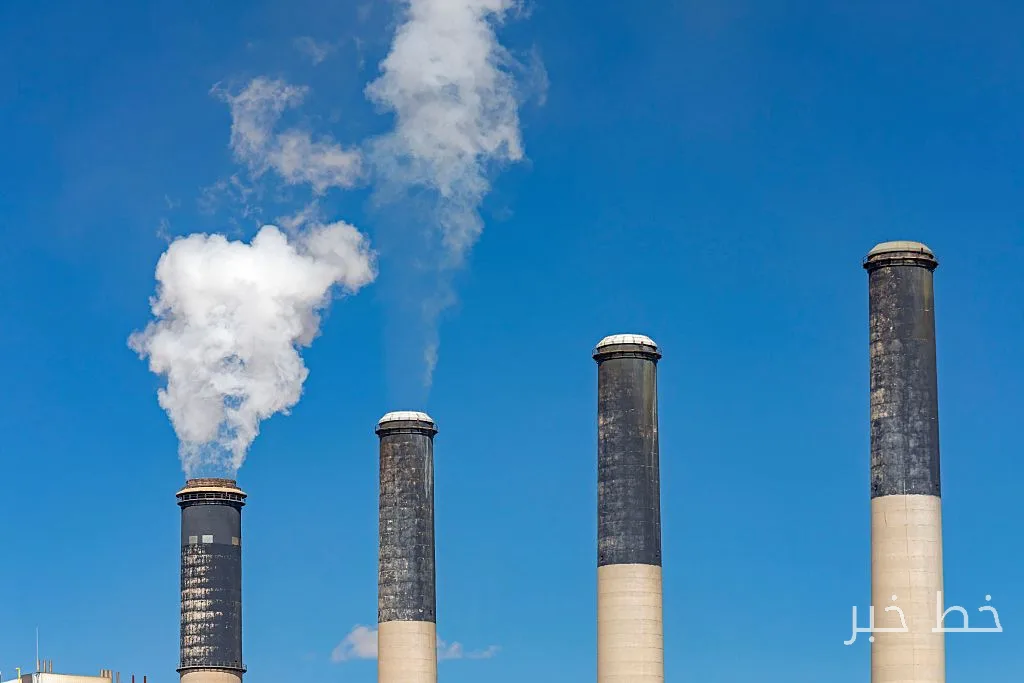
The Aspen Institute has explored the topic of carbon accounting and its challenges, which could have profound effects on climate policies. This meeting, held in February, brought together a group of experts, NGOs, and industry representatives to discuss the best ways to calculate and be accountable for carbon emissions.
Challenges of Carbon Accounting
Carbon accounting is recognized as one of the complex issues in the field of climate change. The main question is: who is responsible for each ton of carbon emissions? The answer to this question can have significant impacts on climate regulations and companies' energy purchasing decisions. Over the past two decades, the Greenhouse Gas Protocol (GHGP) has been recognized as the global standard for these calculations. This protocol divides emissions into three categories: the first category relates to direct emissions from a company's operations, the second category relates to purchased electricity, and the third category pertains to supply chain emissions.
Read more: Kelvin waves from El Niño are reaching California
Critiques and Suggestions for Improvement
However, there have been numerous criticisms of the GHGP protocol, particularly from industrial sectors calling for changes to this system. One of the main criticisms is that this approach leads to "double counting," where multiple companies account for a single carbon emission. For example, a steel producer, a building contractor, and a building owner are all somehow responsible for the carbon emissions resulting from the steel.
An alternative approach, known as "electronic ledgers," has recently gained attention. This system accounts for each unit of carbon emission only once and transfers it as a product in the supply chain. This approach could encourage companies to focus on reducing their emissions and provide accurate data for purchasing decisions. However, some experts at the Aspen meeting warned that this system requires full cooperation from all supply chain players.
In conclusion, the Aspen meeting ended with an agreement to collaborate in finding common ground. This agreement reflects the willingness of companies to work on improving carbon accounting methods, even if there are still disagreements over the details.
Read more: The U.S. Supreme Court responds to oil companies' request to block climate lawsuits · A strong and stable El Niño is on the way