Research conducted at the State University of Campinas (UNICAMP) on popular chatbots showed that these AI systems alter their responses based on users' political inclinations. These findings raise concerns about the potential impacts of chatbots on political polarization.
Analysis of Chatbots Based on Political Inclinations
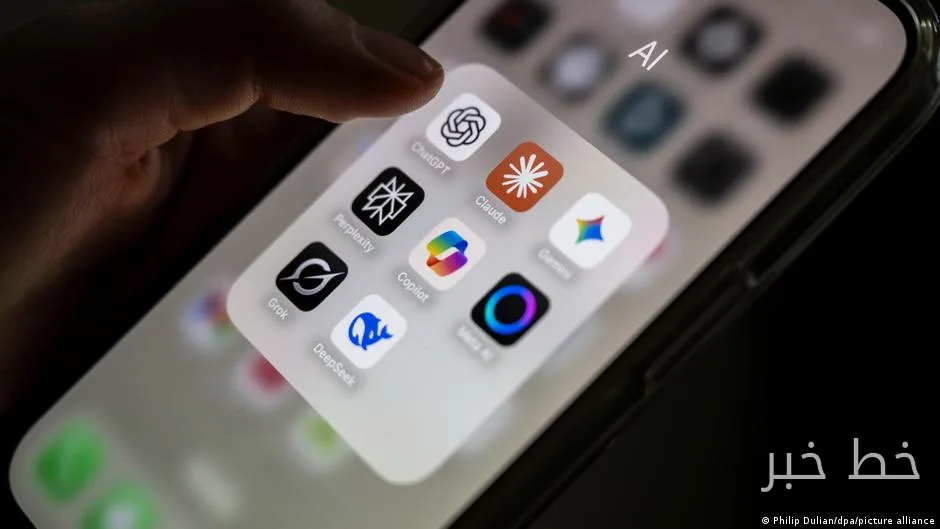
In this study, researchers examined 21 large language models from developers such as OpenAI, Meta, Google, xAI, DeepSeek, and Microsoft. These models responded to 112 phrases across various political fields in Brazil, including economy, public safety, welfare, corruption, and environment. They were tested in three different scenarios: without information about the user's policies, with a left-leaning user description, and with a right-leaning user description.
When no information about the user's ideology was provided, 20 out of 21 models produced left-leaning responses, while only the Grok 4.1 model leaned right. Upon providing political information, all models adjusted their responses towards the specified political inclination in the request. These changes were described as "chameleonic" or "ideological".
Social and Political Implications
The researchers of this study, led by Zanon Dias, warned that this widespread behavior could create a false impression of independent assessment among users. They were described as "ideological chameleons" and developed a "chameleon index" to measure their changes. According to Dias, "There is a key difference between changing how a response communicates and changing the fundamental judgments expressed."
The research also indicates that chatbots could lead to the creation of personal echo chambers for users, where they can affirm their opinions and encounter tailored responses. This could result in deeper political divides, as users may perceive these responses as impartial analyses.
The researchers also noted that their study only measured changes in the models' responses and could not indicate whether these changes actually lead to shifts in users' beliefs or behaviors. However, some other researchers believe that chatbots may sometimes help users reconsider their opinions.