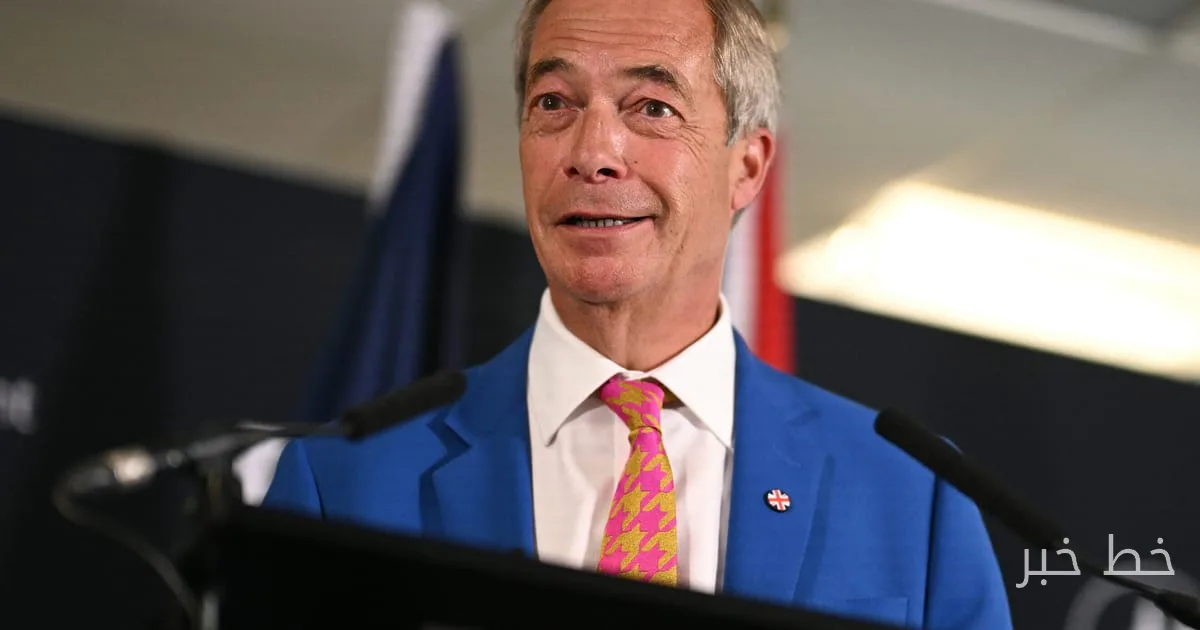
Nigel Farage is set to critique Andy Burnham, the Labour Mayor, in a speech in the town of Doncaster. This speech comes as Burnham has reignited the debate about Britain's relationship with the European Union. Farage, who is considered one of the key architects of Brexit, will focus on criticizing the possibility of returning to the European Union and its impact on Britain's control over key industries.
Farage's Critique of Burnham
In his first Labour conference as leader, Burnham highlighted three key issues in British politics on Tuesday in Liverpool, one of which was a proposal to change the "triple lock" on state pensions. He also raised discussions about electoral reform. Farage will concentrate on these topics in his speech and will criticize Burnham for his desire to return to the Euro and the free movement of 500 million people.
Response to Electoral Changes
Farage will also criticize Burnham's announcement regarding a review of the electoral system in Britain. The current voting system is extremely challenging for new parties, such as the Reform Party. However, this system grants a large number of seats in Parliament to parties with a high number of votes, while smaller parties may struggle to reach this threshold. Farage has long been an advocate for changing this system, but his party has taken a critical stance against Labour's return to a proportional voting system in local elections.
Emphasizing that Doncaster voted 69% to leave the European Union in 2016, Farage will strongly argue that a return to the European Union could mean losing the ability to nationalize key industries. This issue becomes even more significant as Burnham emphasizes public control over public services.
While Farage has directed his criticisms towards Burnham, his speech in Doncaster is expected to spark new dialogues about the future of Britain's relationship with the European Union and lead to new political challenges.