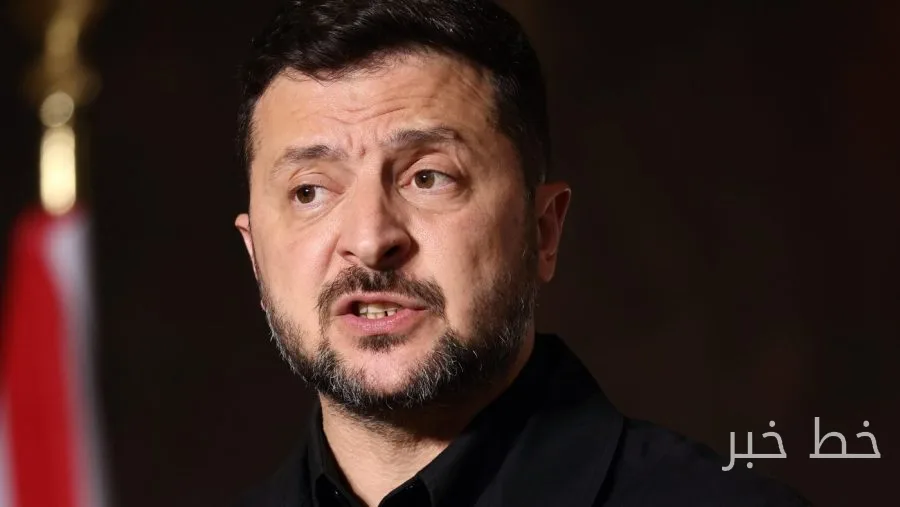
Republican lawmakers have opposed Defense Secretary Pete Hegseth's decision to broadcast the execution of Nidal Hasan, who caused the death of 13 people in the Fort Hood shooting in 2009. This action has been presented as a controversial move among officials and the public.
Lawmakers' Criticism
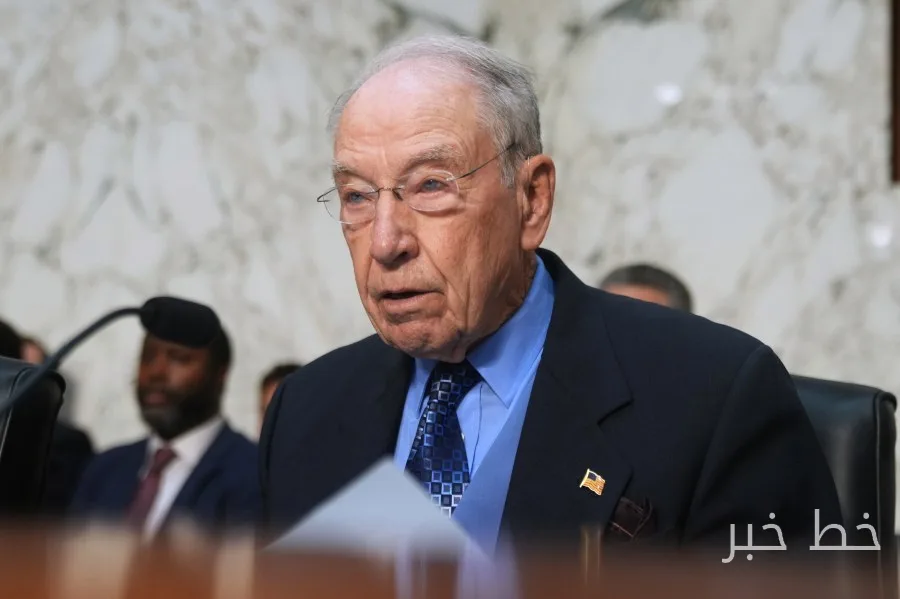
Lawmakers in both chambers of the United States Congress have clearly stated that the focus should be on justice for the victims and their families, not on a public display of execution. They believe that broadcasting such an event live could be a form of disrespect to the memory of the victims and survivors and negatively impact the feelings of their families.
Read more: Justin Pearson is a congressional candidate in the district where Trump won by 21 points
Public Reactions
This decision and the subsequent reactions have sparked heated debates in the media and on social networks. Many believe that broadcasting an execution live is not only unethical but could also encourage violence and anti-social behavior. Others argue that this action could be seen as a way to raise public awareness about the consequences of crime.
While supporters of live execution broadcasts seek to create more transparency in the judicial system, critics emphasize that such actions should be taken with caution and consideration of their human and social dimensions. This decision has become particularly sensitive regarding Nidal Hasan, who is recognized as one of the most notorious criminals in U.S. history.
Possible Consequences
Given the existing tensions, this decision may have serious consequences for the Secretary of Defense and the government. Politicians and analysts believe that this action could turn into a political crisis and impact U.S. defense and judicial policies. Many are pondering whether this decision could lead to more problems in society.
Ultimately, this issue highlights the ethical and social challenges associated with the death penalty and human rights. Many questions arise about how to deal with major offenders, and this decision is just one of the complex examples in this regard.
Read more: Georgia Senate debate turned personal · A man in Texas will be executed with the same drug as Krista Piek