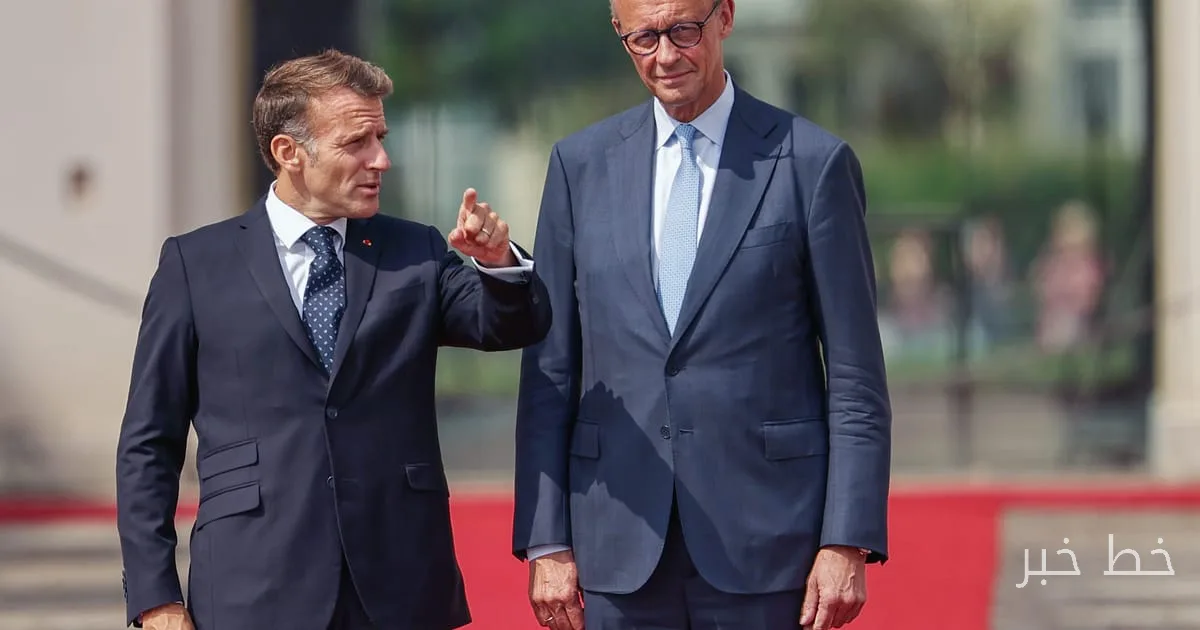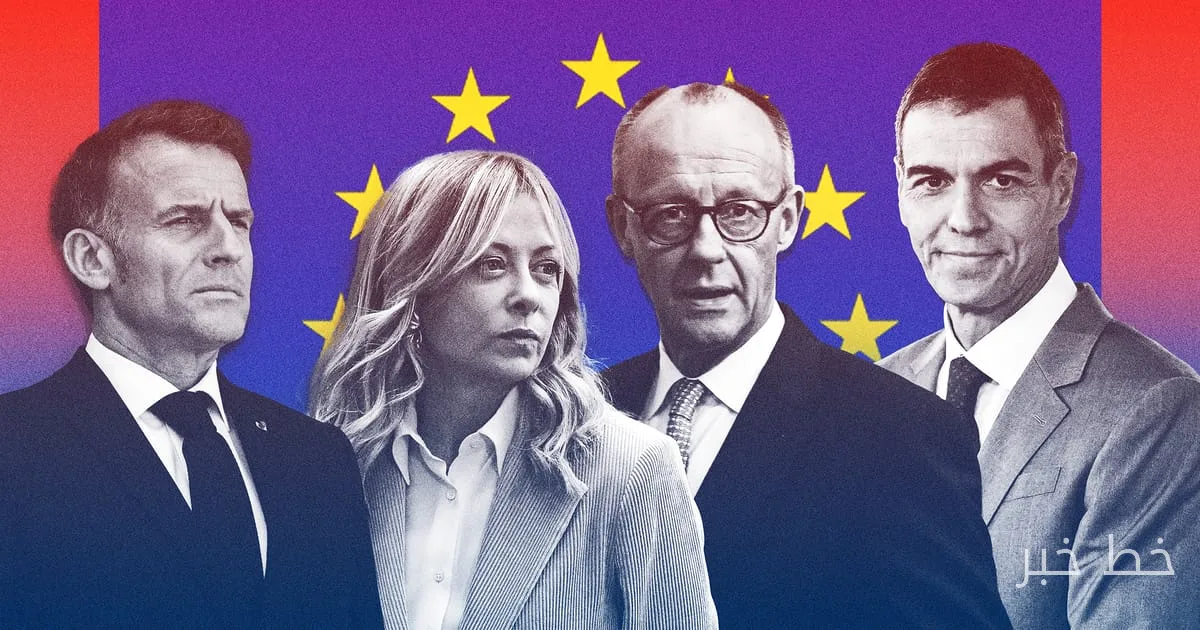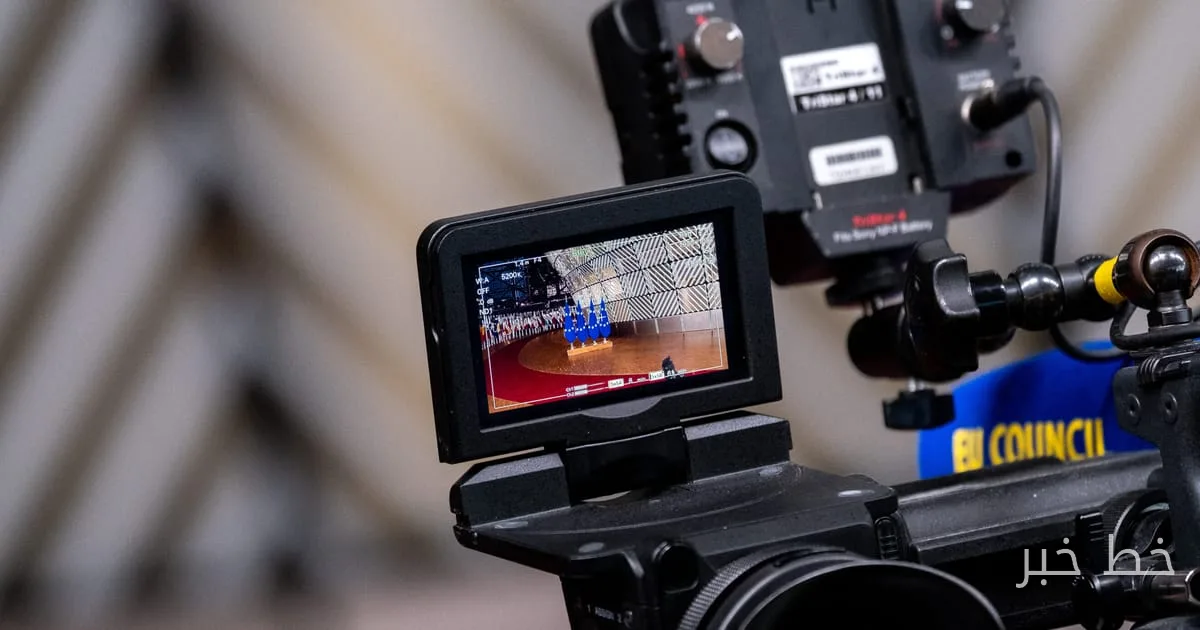
The EU leaders' summit, taking place on October 15 and 16 in Brussels, will be conducted without the presence of any content creators. This decision comes despite the EU's earlier announcement that it intended to invite these individuals to expand its communications with new audiences.
Planning to Invite Influencers
Earlier this year, the EU proposed that content creators be invited to the leaders' summits and some ministerial meetings to inform the public about the activities of the Council of Europe. However, six EU diplomats mentioned that none of the member countries have provided names for invitations to this summit.
Reasons for Not Inviting Content Creators
According to one diplomat, "logistical issues and budget constraints" are among the reasons for not inviting influencers. Another diplomat added that they have not yet had the opportunity to discuss this matter with their country's capital, but they have not dismissed the idea of inviting content creators for future summits.
A third diplomat stated that "there is no desire for this" and if their leader needed an influencer, they would take them to the summit themselves. This diplomat emphasized that member countries "do not need the Council of Europe for this."
Impact on Journalists
Romina Sadat, spokesperson for the Council of Europe, confirmed that "we will not invite content creators to the upcoming leaders' summit." This comes despite an earlier announcement from a Council of Europe official stating that influencers would have access to areas of the Council's headquarters in Brussels that are only open to accredited journalists, although they were asked to refrain from questioning ministers and leaders.
Officials from the Council of Europe had stated that content creators would be monitored by Council staff at all times and would not be considered media. Additionally, a maximum of 10 content creators will be invited to each event.
Guidelines from the Council of Europe for Selecting Influencers
In June, the Council of Europe sent guidelines for selecting influencers to national governments. According to these guidelines, member countries must decide which YouTubers and TikTokers should participate in the summits, provided that none of them have published "views against the values of the EU."
Furthermore, content creators must avoid any "significant or long-term commercial collaborations" with major brands to prevent inappropriate connections. Also, influencers will not receive any compensation as part of this plan.
Criticism from Journalists
This idea has not been well received by journalists. The International Journalists' Association, representing journalists covering European institutions, stated in a release: "Content creators do not need to disclose their funding sources at press conferences and summits, while accredited EU journalists do not expect to be paid for writing positive stories. This relates to journalistic ethics in some way."