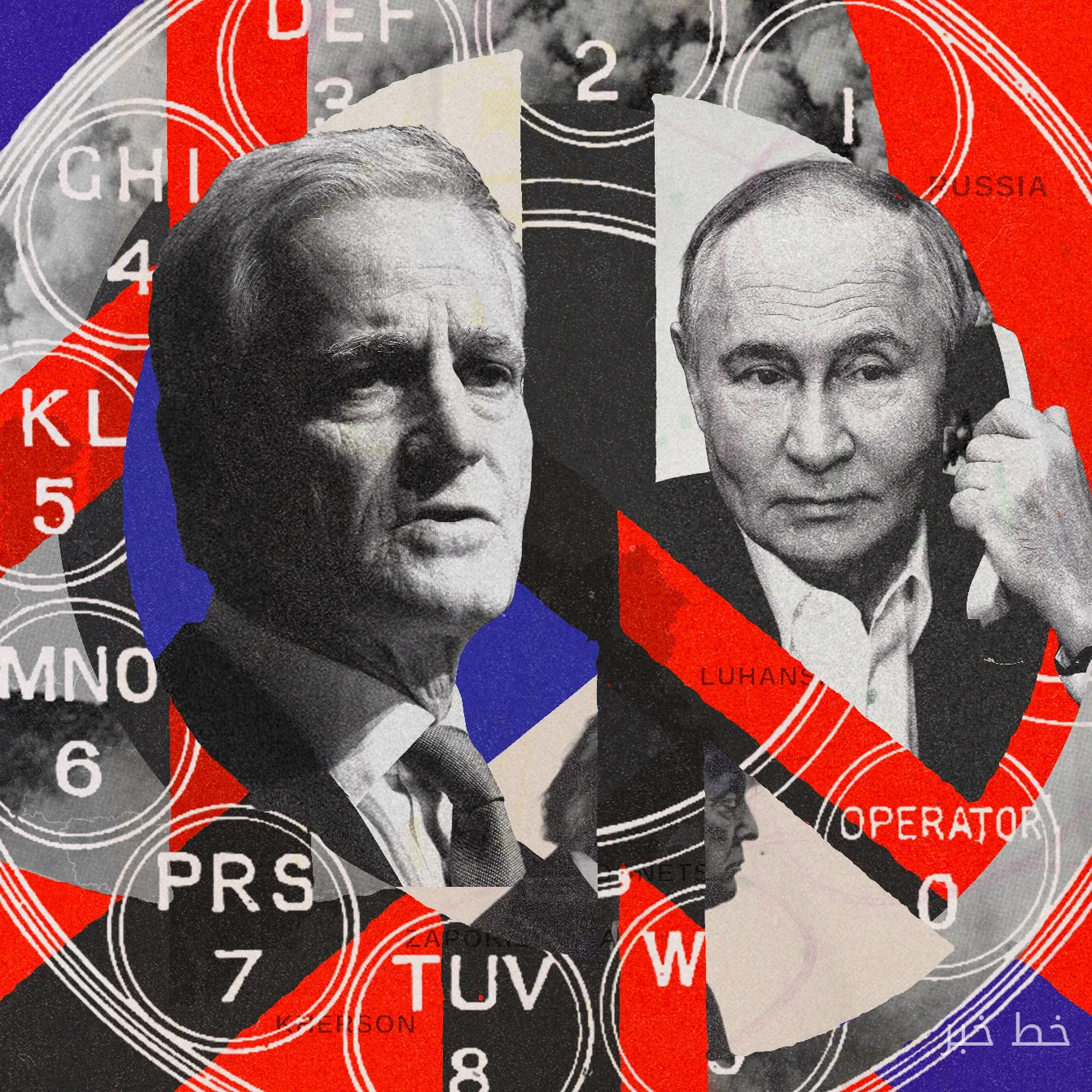
Norwegian Prime Minister Jonas Gahr Støre has expressed doubts about optimistic predictions regarding a peace agreement in Ukraine. In an interview ahead of the resumption of negotiations in Abu Dhabi, he provided a more accurate assessment of the situation of Vladimir Putin, the President of Russia, and the likelihood of an imminent ceasefire.
Security Challenges in Negotiations
Støre emphasized in this interview that European defense should not be used as leverage in negotiations to end the war in Ukraine. He also pointed out the need for caution regarding the outcomes of the upcoming negotiations in Abu Dhabi due to concerns about the security situation in Europe. He said, "Abu Dhabi is a turning point, and one of its outcomes should be a rapid follow-up."
According to Støre, the agenda in Abu Dhabi may include negotiations on a ceasefire in the Black Sea, a ceasefire regarding energy infrastructure, and establishing confidence-building measures such as prisoner exchanges. Issues related to security guarantees to prevent future attacks by Putin will also be discussed in these negotiations.
Direct Talks with the Kremlin
Negotiating teams from Moscow and Kyiv are set to meet with the United States in Abu Dhabi on November 10 and 11. This will be the first trilateral meeting since February and comes in the wake of increasing diplomacy and rising calls from Donald Trump for a settlement.
Støre and Alexander Stubb, the President of Finland, attempted to facilitate peace talks through direct contact with the Kremlin on October 27. This contact, which was reportedly unexpected by some of Norway's neighbors in Denmark and Latvia, reflects the willingness of Ukraine-supporting leaders to engage in dialogue with Putin.
Støre said, "Let's admit it, he is not isolated. The only voice reaching Moscow comes from Washington." He also noted that the war is happening in Europe, and expecting its end without direct communications with Moscow is an illusion.
While Støre described his contact with Putin as a professional and rational conversation, he expressed doubts about Putin's genuine desire for peace. He stated, "If Putin were interested in peace, there wouldn't have been a war in the first place. If he were interested in peace, the war should have ended in these five years."
However, Støre pointed out that communicating with Putin could be a sign of readiness to sit at the negotiating table. He clarified that he has not yet seen signs of Putin's genuine willingness to reach an agreement but emphasized that his presence at the negotiations also comes at a cost.
This week, European leaders are set to discuss in an informal meeting in Dublin who should represent them in the Ukraine negotiations. This meeting is particularly significant for Giorgia Meloni, the Prime Minister of Italy, who has expressed dissatisfaction with the EU's lack of planning to hear her voice in decisions.